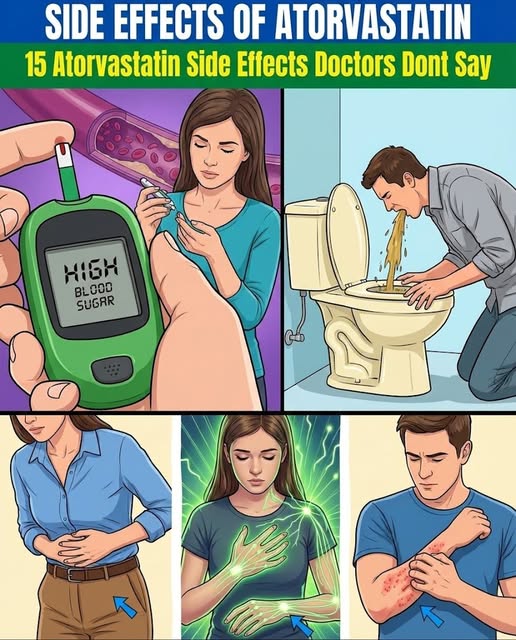
Atorvastatin—commonly known by the brand name Lipitor—is one of the most widely prescribed medications in the world. Doctors rely on it to lower LDL (“bad”) cholesterol, reduce plaque buildup in arteries, and decrease the risk of heart attack and stroke. For many people, it’s truly lifesaving.
But like all medications, atorvastatin can come with side effects—some well-known, others rarely discussed during quick clinic visits. Most people never experience serious problems, yet understanding these less-talked-about effects empowers you to notice early warning signs and have better conversations with your healthcare provider.
Here are 15 hidden or lesser-known atorvastatin side effects you should be aware of before your next refill.
1. Muscle Weakness (Not Just Muscle Pain)
You’ve probably heard about muscle aches, but atorvastatin can also cause subtle muscle weakness—trouble climbing stairs, lifting groceries, or getting up from a chair. This can happen even without pain.
2. Persistent Fatigue
Some users report ongoing tiredness that doesn’t improve with rest. This fatigue may stem from how statins affect energy production inside muscle cells.
3. Brain Fog or Memory Lapses
Difficulty concentrating, forgetfulness, or feeling “mentally cloudy” has been reported by some patients. While research is mixed, many people notice improvement after dosage adjustments.
4. Sleep Disturbances
Insomnia, vivid dreams, or restless sleep may occur, especially when the medication is taken at night. Cholesterol plays a role in hormone production, including melatonin.
5. Digestive Discomfort
Beyond nausea or diarrhea, atorvastatin can cause bloating, gas, constipation, or stomach cramps—symptoms that may be mistaken for food intolerance.
6. Increased Blood Sugar Levels
Atorvastatin may slightly raise blood glucose levels, which is especially important for people with prediabetes or type 2 diabetes. Regular monitoring is essential.
7. New-Onset Diabetes Risk
Long-term use has been linked to a small increased risk of developing diabetes in certain individuals—particularly those already at risk due to weight or family history.
8. Joint Pain or Stiffness
Unexplained joint discomfort, especially in the knees, hips, or hands, can sometimes be associated with statin use and may worsen with activity.
9. Liver Enzyme Elevations
Atorvastatin can raise liver enzymes without obvious symptoms. In rare cases, this may signal liver stress, which is why periodic blood tests are recommended.
10. Dark-Colored Urine
This can be an early sign of muscle breakdown (rhabdomyolysis), a very rare but serious condition. It often appears alongside severe muscle weakness or pain.
11. Reduced Exercise Tolerance
Some people notice they tire faster during workouts or daily walks. Statins can affect mitochondrial function, which plays a key role in endurance.
12. Peripheral Neuropathy (Tingling or Numbness)
Long-term use may, in rare cases, contribute to nerve-related symptoms such as tingling, burning, or numbness in the hands or feet.
13. Hormonal Changes
Cholesterol is a building block for hormones. Some users report reduced libido or sexual dysfunction, although this is not officially listed as a common side effect.
14. Increased Sensitivity to Alcohol
Alcohol may feel “stronger” while on atorvastatin, and combined use can put extra strain on the liver. Even moderate drinking may cause stronger reactions.
15. Skin Reactions
Unusual itching, rash, flushing, or increased sensitivity to sunlight can occur. These symptoms are often overlooked or blamed on allergies.
Why Doctors May Not Mention These
Doctors often focus on life-threatening risks versus benefits—and for most people, the heart-protective benefits of atorvastatin outweigh potential side effects. Time-limited appointments also make it difficult to cover every possibility.
What You Should Do Instead of Stopping the Medication
Never stop atorvastatin abruptly without medical advice. If you experience concerning symptoms:
Track when symptoms started
Note changes in dose or timing
Ask about dosage adjustment, timing changes, or alternative statins
Discuss lifestyle strategies that may allow for lower doses
The Bottom Line
Atorvastatin saves lives, but it isn’t one-size-fits-all. Being informed doesn’t mean being fearful—it means being proactive. Understanding these hidden side effects helps you recognize what’s normal, what’s not, and when to speak up.
Your health works best when you and your doctor are on the same team—and knowledge is your strongest tool before your next refill.
