Pain on the Left Side of the Body: Common Reasons People Experience It and What to Know

Pain on the left side of the body can be unsettling, especially when it appears suddenly or continues for an extended period. Many people experience discomfort that affects the left side of the neck, shoulder, arm, back, hip, abdomen, or leg. The sensation may range from a mild ache to severe, sharp pain that interferes with daily activities. Understanding the potential causes of left-sided pain is important because some conditions are harmless and temporary, while others may require immediate medical attention.

The human body is a complex network of muscles, joints, nerves, bones, and internal organs. Because these systems work together, pain felt on one side of the body can originate from various sources. In many cases, the discomfort is related to musculoskeletal issues such as muscle strains, posture problems, joint dysfunction, or nerve compression. However, certain medical conditions involving internal organs may also produce pain on the left side.

One of the most common causes of left-sided body pain is muscle strain. Everyday activities such as lifting heavy objects, exercising without proper preparation, sudden twisting movements, or repetitive motions can overstretch muscle fibers. When this happens, inflammation develops within the affected tissue, resulting in tenderness, stiffness, and discomfort. Muscle strain often becomes more noticeable during movement and may improve with adequate rest and recovery.

Poor posture has become another major contributor to body pain in modern lifestyles. Many individuals spend hours sitting at desks, working on computers, using smartphones, or watching screens. Maintaining an improper sitting position places uneven stress on muscles and joints. Over time, one side of the body may become tighter or weaker than the other, creating muscular imbalances. These imbalances frequently cause discomfort in the neck, shoulders, upper back, lower back, and hips.

Nerve-related conditions are another significant source of pain that affects only one side of the body. The nervous system carries signals between the brain and various body parts. When a nerve becomes compressed, irritated, or inflamed, symptoms such as pain, numbness, tingling, burning sensations, or weakness may occur. Depending on which nerve is affected, symptoms can travel down the arm, back, hip, or leg.

Sciatica is one of the most recognized nerve conditions. It occurs when the sciatic nerve becomes irritated or compressed. Since the sciatic nerve is the largest nerve in the body, symptoms can extend from the lower back through the hip and down the leg. People experiencing left-sided sciatica often report sharp shooting pain, tingling sensations, numbness, or weakness affecting the left lower extremity. Sitting for prolonged periods may worsen symptoms.

Another common nerve condition is cervical radiculopathy, often referred to as a pinched nerve in the neck. This condition develops when nerve roots exiting the cervical spine become compressed. As a result, pain may radiate into the shoulder, arm, hand, or fingers. Some individuals notice weakness when gripping objects or performing daily tasks. Tingling sensations and numbness are also common signs.

Thoracic Outlet Syndrome is another condition associated with left-sided discomfort. This occurs when nerves or blood vessels become compressed in the area between the collarbone and the first rib. Symptoms may include pain in the neck, shoulder, arm, and hand. Some individuals experience numbness, tingling, cold sensations, or weakness in the affected arm.

Joint dysfunction can also create pain localized to one side of the body. The joints of the spine, shoulders, hips, and knees are designed to facilitate movement while maintaining stability. Injury, inflammation, arthritis, repetitive stress, or age-related wear and tear can affect joint function. When a joint becomes irritated, surrounding muscles often compensate, creating additional tension and discomfort.

Hip joint problems frequently cause pain that radiates into the groin, buttocks, or thigh. Shoulder conditions may lead to pain extending down the arm. Likewise, spinal joint dysfunction can produce discomfort that affects multiple areas along the body’s left side. Because joints and muscles work together, addressing the underlying dysfunction often helps restore normal movement and reduce pain.

Inflammation is another factor that can contribute to persistent discomfort. Inflammatory responses occur naturally when the body is healing an injury. However, chronic inflammation may develop due to repetitive strain, autoimmune disorders, arthritis, or prolonged stress. Inflammatory conditions can affect muscles, tendons, ligaments, and joints, leading to ongoing discomfort and stiffness.

Certain internal organ conditions may also cause pain on the left side. For example, kidney stones can produce severe pain in the flank area and lower back. Digestive issues such as gas buildup, constipation, diverticulitis, or gastrointestinal disorders may trigger abdominal discomfort. In some cases, problems involving the spleen or pancreas can also produce left-sided pain.

Chest pain occurring on the left side deserves special attention because it may be associated with cardiovascular conditions. Although not all chest discomfort is heart-related, symptoms such as pressure, tightness, shortness of breath, dizziness, sweating, or pain spreading into the arm or jaw require immediate medical evaluation. Prompt assessment can be lifesaving when serious conditions are involved.

Recognizing warning signs is essential when evaluating left-sided pain. Seek emergency medical care if symptoms include sudden severe chest pain, difficulty breathing, sudden weakness in the face or limbs, loss of coordination, severe abdominal pain, loss of bladder control, or sudden changes in consciousness. These symptoms may indicate a medical emergency requiring urgent treatment.

Proper diagnosis begins with a thorough assessment of symptoms and medical history. Healthcare professionals often evaluate posture, mobility, muscle strength, flexibility, balance, and neurological function. Understanding when symptoms began, what activities aggravate them, and whether numbness or weakness is present helps identify the root cause.

Diagnostic imaging may sometimes be necessary. X-rays help evaluate bone structures and joint alignment, while MRI scans provide detailed images of soft tissues, discs, nerves, muscles, and ligaments. Ultrasound and CT scans may also be recommended depending on the suspected condition.

Treatment for left-sided body pain varies according to the underlying cause. A personalized approach often produces the best outcomes because every individual’s condition is unique. Conservative treatments are frequently successful in reducing pain and restoring function without surgery.

Manual therapy is a widely used treatment method that focuses on improving joint mobility and muscle flexibility. Through specialized hands-on techniques, therapists can reduce stiffness, restore movement, and decrease discomfort. Many patients experience improved range of motion and enhanced physical function following manual therapy sessions.

Dry needling has gained popularity as an effective treatment for muscle tension and trigger points. This technique involves placing thin needles into tight muscle bands to encourage relaxation and improve circulation. Individuals experiencing chronic muscle tightness often report significant symptom relief following treatment.

Therapeutic exercise plays a critical role in long-term recovery. Carefully designed exercise programs help strengthen weak muscles, improve flexibility, enhance stability, and support proper posture. Consistent participation in rehabilitation exercises often reduces the risk of recurring pain episodes.

Postural correction is another important aspect of recovery. Learning proper sitting, standing, and movement habits can reduce strain on muscles and joints. Small changes in workstation setup, sleeping positions, and daily movement patterns often produce substantial improvements in comfort.

Nerve gliding exercises may be recommended when nerve irritation contributes to symptoms. These gentle movements encourage normal nerve mobility and help reduce numbness, tingling, and radiating pain. When performed correctly under professional guidance, nerve mobility exercises can accelerate recovery.

Home management strategies are equally important. Maintaining good posture, staying physically active, taking regular movement breaks, applying heat or cold therapy when appropriate, and following prescribed exercise programs all contribute to healing. Consistency is often the key factor determining long-term success.

Recovery timelines vary depending on the severity and cause of the condition. Mild muscle strains may improve within a few weeks, while chronic nerve-related problems or significant joint dysfunction may require several months of structured treatment. Following professional recommendations and remaining active throughout the recovery process can help shorten healing time.

Preventing future episodes of pain involves adopting healthy lifestyle habits. Regular exercise, proper ergonomics, maintaining a healthy body weight, staying hydrated, managing stress, and practicing good posture all support musculoskeletal health. Early intervention when symptoms first appear may also prevent minor issues from becoming chronic conditions.

Living with left-sided body pain can be frustrating, but effective solutions are available. By identifying the root cause, seeking appropriate treatment, and following a comprehensive recovery plan, many individuals can regain mobility, reduce discomfort, and return to normal daily activities. Understanding your symptoms and taking proactive steps toward recovery can significantly improve your quality of life and overall physical well-being.

Quick Guide to Left-Side Body Pain

Assessment Time

30–60 Minutes

Total Recovery Time

Varies by Cause

Purpose

Identify and manage pain affecting the left side of the body.

Common Causes

  • Muscle strain or overuse injury
  • Pinched nerve
  • Sciatica
  • Poor posture
  • Joint dysfunction
  • Thoracic outlet syndrome
  • Kidney stones
  • Digestive disorders
  • Inflammatory conditions

Symptoms

  • Neck pain
  • Shoulder pain
  • Arm pain
  • Back pain
  • Hip pain
  • Leg pain
  • Tingling sensations
  • Numbness
  • Muscle weakness
  • Stiffness

Diagnosis Methods

  • Medical history review
  • Physical examination
  • Posture assessment
  • Strength testing
  • Flexibility evaluation
  • X-ray imaging
  • MRI scanning

Treatment Options

  • Manual therapy
  • Dry needling
  • Therapeutic exercises
  • Postural correction
  • Nerve gliding exercises
  • Activity modification
  • Heat therapy
  • Ice therapy

Home Recovery Tips

  1. Maintain proper posture.
  2. Take movement breaks throughout the day.
  3. Stay physically active.
  4. Perform prescribed exercises consistently.
  5. Use heat or ice when recommended.
  6. Avoid prolonged sitting.
  7. Sleep in supportive positions.

Emergency Warning Signs

Seek immediate medical attention if you experience:

  • Sudden chest pain
  • Shortness of breath
  • Facial weakness
  • Loss of balance
  • Severe abdominal pain
  • Loss of bladder or bowel control

Recovery Outlook

Most individuals improve with proper diagnosis, targeted treatment, and consistent rehabilitation. Early intervention often leads to faster and more complete recovery.
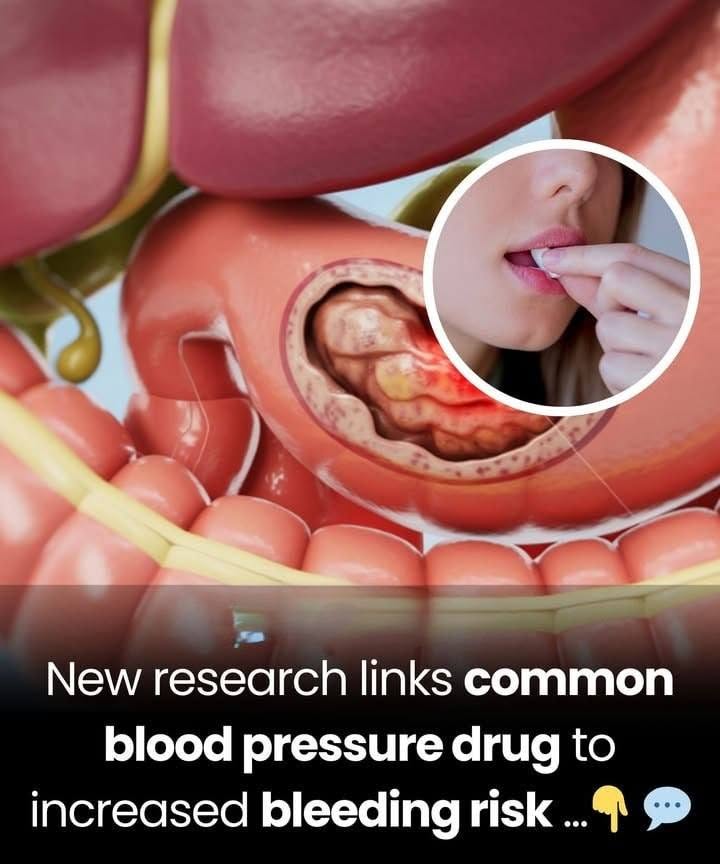

New Research Links Common Blood Pressure Drug to Increased Bleeding Risk

High blood pressure medications help millions of people reduce their risk of heart attacks, strokes, and other serious cardiovascular conditions. However, new research has raised questions about whether certain blood pressure drugs may be associated with an increased risk of bleeding in some patients. While these findings are important, experts emphasize that people should never stop taking prescribed medications without first consulting their healthcare provider.

Understanding the benefits and potential risks of any medication can help patients make informed decisions about their health. Here’s what the latest research suggests and what it may mean for those managing high blood pressure.

Why Blood Pressure Medications Are Important

High blood pressure, also known as hypertension, is often called a “silent killer” because it may not cause noticeable symptoms while damaging blood vessels and organs over time. If left untreated, it can increase the risk of:

  • Heart disease
  • Stroke
  • Kidney damage
  • Vision problems
  • Heart failure

To reduce these risks, doctors commonly prescribe medications that help control blood pressure and improve overall cardiovascular health.

What the New Research Found

Researchers recently examined data from thousands of patients taking commonly prescribed blood pressure medications. Their analysis suggested that some individuals taking specific medications may experience a slightly higher risk of bleeding events compared to those using alternative treatments.

The increased bleeding risk appeared to be more noticeable among people who:

  • Were older adults
  • Took blood-thinning medications
  • Had a history of gastrointestinal bleeding
  • Had kidney or liver disease
  • Used multiple medications simultaneously

Researchers noted that while the relative increase in risk may sound concerning, the overall risk for most patients remains relatively low.

Understanding Bleeding Risk

Bleeding risk can vary depending on a person’s health, age, lifestyle, and medication use. Minor bleeding may include:

  • Easy bruising
  • Nosebleeds
  • Bleeding gums

More serious bleeding can involve:

  • Blood in the urine
  • Black or tarry stools
  • Vomiting blood
  • Severe unexplained bruising
  • Internal bleeding

Not everyone taking these medications will experience these symptoms, but awareness is important.

Why the Risk May Increase

Scientists believe several factors may contribute to an elevated bleeding risk.

1. Effects on Blood Vessels

Some blood pressure medications alter the way blood vessels relax and function. While this helps lower blood pressure, it may also affect small blood vessels and increase susceptibility to bleeding in certain individuals.

2. Drug Interactions

Many people with hypertension also take medications for other conditions. Combining blood pressure drugs with blood thinners, anti-inflammatory medications, or certain supplements may increase bleeding risk.

3. Age-Related Changes

As people age, blood vessels become more fragile and the body’s ability to recover from minor injuries can change. This may make older adults more vulnerable to medication-related bleeding complications.

Symptoms You Should Not Ignore

Anyone taking blood pressure medication should contact a healthcare professional if they notice:

  • Unusual bruising
  • Frequent nosebleeds
  • Blood in urine
  • Bloody or black stools
  • Persistent dizziness
  • Severe weakness
  • Coughing up blood
  • Vomiting blood

These symptoms do not automatically mean a medication is responsible, but they warrant prompt medical evaluation.

Should You Stop Taking Your Medication?

The answer is generally no—at least not without medical advice.

Experts stress that the benefits of controlling high blood pressure often far outweigh the potential risks identified in recent studies. Suddenly stopping medication can cause blood pressure to rise rapidly, increasing the risk of heart attack or stroke.

If you are concerned about your medication, schedule an appointment with your healthcare provider. They can review:

  • Your current prescriptions
  • Medical history
  • Bleeding risk factors
  • Alternative treatment options

In some cases, adjustments may be appropriate, but those decisions should always be made with professional guidance.

Who May Need Extra Monitoring?

Certain individuals may benefit from closer monitoring while taking blood pressure medications, including:

  • Adults over age 65
  • Patients using blood thinners
  • People with previous bleeding episodes
  • Individuals with liver disease
  • Patients with kidney disease
  • Those taking multiple prescription medications

Regular checkups can help identify potential issues before they become serious.

Tips for Reducing Bleeding Risk

If you take blood pressure medication, these simple precautions may help lower your risk:

Monitor Your Health

Keep track of any unusual symptoms and report changes to your doctor promptly.

Review All Medications

Tell your healthcare provider about all prescription drugs, over-the-counter medications, and supplements you use.

Avoid Unnecessary NSAIDs

Common pain relievers such as ibuprofen and naproxen can increase bleeding risk in some people.

Limit Alcohol

Excessive alcohol consumption may contribute to bleeding and interfere with medication effectiveness.

Attend Regular Checkups

Routine monitoring helps ensure your treatment remains both safe and effective.

The Bottom Line

New research suggesting a possible link between certain blood pressure medications and increased bleeding risk highlights the importance of ongoing medication safety studies. However, the findings do not mean that these medications are unsafe for everyone.

For most patients, controlling high blood pressure remains one of the most effective ways to reduce the risk of life-threatening cardiovascular events. The key is staying informed, monitoring for unusual symptoms, and maintaining open communication with healthcare professionals.

If you take medication for hypertension and have concerns about bleeding risk, speak with your doctor before making any changes. A personalized approach is the safest way to balance treatment benefits with potential risks and ensure long-term heart health.

Very leafy orchid, if you water it with this it will be 10 times more beautiful

Very Leafy Orchid? Water It With This Simple Natural Mix and Watch It Become 10 Times More Beautiful

Orchids are among the most elegant and rewarding houseplants you can grow. Their glossy leaves, graceful flowers, and exotic appearance make them a favorite among gardeners worldwide. However, many orchid owners struggle to keep their plants healthy and blooming year after year.

If your orchid has plenty of leaves but produces few flowers, or if you simply want a stronger, healthier plant, there is a simple homemade solution that many plant lovers swear by. This natural orchid tonic can help improve root health, encourage stronger growth, and support more vibrant blooms when used correctly.

Why Orchids Need Special Care

Unlike many common houseplants, orchids have unique growing requirements. Most orchids absorb nutrients differently because their roots are often exposed to air and grow on tree bark in nature rather than in soil.

Common orchid problems include:

  • Slow growth
  • Yellowing leaves
  • Weak roots
  • Lack of flowers
  • Poor nutrient absorption

Providing the right balance of water and nutrients is essential for keeping orchids healthy and beautiful.

The Natural Rice Water Recipe for Orchids

One of the easiest homemade fertilizers for orchids is rice water. Rice water contains small amounts of minerals and nutrients that can help support plant growth.

Ingredients

  • 1 cup uncooked rice
  • 4 cups clean water

Instructions

  1. Place the rice in a bowl.
  2. Add the water.
  3. Stir for 2–3 minutes.
  4. Allow the mixture to sit for 30 minutes.
  5. Strain the liquid into a clean container.
  6. Dilute the rice water with an equal amount of fresh water before use.

Your natural orchid tonic is now ready.

How to Use It

Water your orchid with the diluted rice water once every two to three weeks.

Steps

  1. Make sure the orchid pot drains well.
  2. Pour the diluted rice water slowly around the roots.
  3. Allow excess liquid to drain completely.
  4. Never leave the pot standing in water.

This method works best when combined with proper orchid care, including adequate light and airflow.

Benefits of Rice Water for Orchids

1. Supports Root Development

Healthy roots are the foundation of a thriving orchid. Rice water contains trace nutrients that may help support stronger root growth.

2. Encourages Greener Leaves

Many orchid growers notice healthier-looking foliage after incorporating occasional rice water treatments into their care routine.

3. Improves Overall Plant Vigor

A well-fed orchid can better withstand environmental stress and maintain steady growth throughout the year.

4. Eco-Friendly and Budget-Friendly

Instead of discarding rice water, you can reuse it as a natural plant supplement, reducing waste while saving money.

Additional Tips for Beautiful Orchids

Provide Bright Indirect Light

Orchids love bright light but can suffer from direct afternoon sun. Place them near a window with filtered sunlight for best results.

Avoid Overwatering

Overwatering is one of the most common reasons orchids fail. Water only when the growing medium begins to dry out.

Ensure Good Air Circulation

Proper airflow helps prevent fungal problems and keeps roots healthy.

Use the Right Potting Medium

Most orchids grow best in bark-based orchid mixes rather than regular potting soil.

Remove Dead Leaves and Spent Flower Stems

Pruning dead plant material helps direct energy toward new growth.

Signs Your Orchid Is Thriving

When an orchid receives proper care, you’ll notice:

  • Firm green leaves
  • Strong silver-green roots
  • New leaf growth
  • Healthy flower spikes
  • Longer-lasting blooms

These signs indicate that the plant is receiving the moisture, nutrients, and light it needs.

Common Mistakes to Avoid

Using Undiluted Rice Water

Concentrated rice water can sometimes encourage unwanted microbial growth. Always dilute before use.

Applying Too Frequently

More fertilizer is not always better. Excess nutrients can stress orchid roots.

Watering on a Fixed Schedule

Instead of watering by the calendar, check the moisture level of the growing medium.

Ignoring Root Health

Healthy roots are often more important than flowers. Regularly inspect roots for signs of rot or damage.

Can This Make an Orchid “10 Times More Beautiful”?

While no homemade solution can magically transform a plant overnight, proper watering, nutrition, and care can dramatically improve an orchid’s appearance over time. Many gardeners find that natural supplements such as diluted rice water, combined with good growing conditions, help orchids develop stronger leaves, healthier roots, and more impressive blooms.

The real secret is consistency. Orchids respond best to regular care, patience, and attention to their unique needs.

Final Thoughts

If you have a leafy orchid that seems healthy but isn’t reaching its full potential, try this simple rice water recipe. It’s easy to make, inexpensive, and can be a useful addition to your orchid care routine. Combined with proper lighting, careful watering, and a suitable growing environment, this natural tonic may help your orchid become healthier, stronger, and even more beautiful throughout the year.

Continue Reading

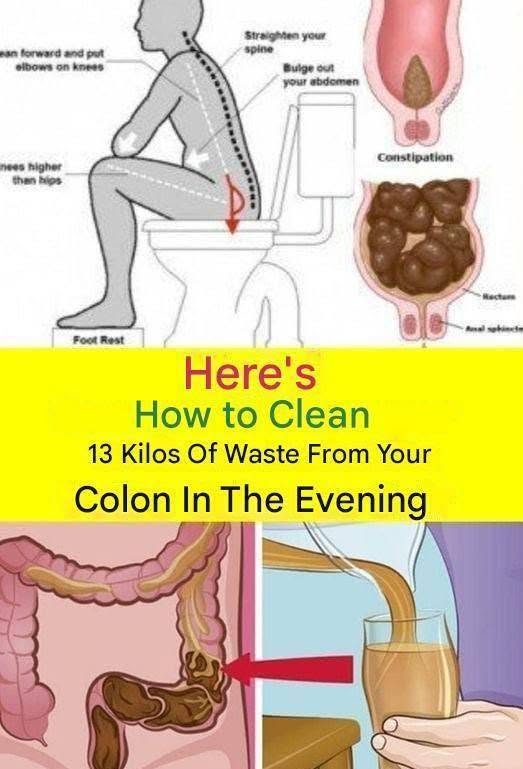
Learn How to Clean 15 Kilograms of Waste from Your Colon in One Night

How to “Clean 15 Kilograms of Waste from Your Colon in One Night” — The Truth Doctors Don’t Want You to Ignore

  • The Truth About Colon Cleansing: Can You Really Remove 15 Kg of Waste Overnight?

🧠 Introduction: A Viral Claim That Sounds Too Good to Be True

You may have seen posts claiming that you can “clean 15 kilograms of waste from your colon in just one night.” These headlines are designed to grab attention, but they are not supported by medical science.

The human body does not store 15 kg of waste inside the colon under normal conditions. In fact, such claims are often used in misleading detox or weight-loss marketing.

Your colon is already a self-cleaning organ. It removes waste naturally through regular bowel movements. Instead of extreme detox methods, what your body truly needs is consistent hydration, fiber, and a balanced diet.

Let’s break down the truth behind this claim and learn what actually supports a healthy digestive system.

⚠️ Can 15 Kg of Waste Really Be Removed Overnight?

The simple answer is no.

Medical experts explain that:

  • The average human colon may hold less than 1–2 kg of stool at any given time.
  • Weight fluctuations after “detox” treatments are mostly water loss, not waste removal.
  • The body already eliminates waste daily through normal digestion.

If someone claims you can remove 10–15 kg of “toxins” overnight, it is not based on human physiology.

🧬 How the Colon Actually Works

Your colon (large intestine) plays an important role:

  • It absorbs water and electrolytes
  • It forms and stores stool temporarily
  • It helps eliminate waste through bowel movements

Unlike a “storage tank,” your colon is in a constant cycle of filling and emptying. Healthy digestion naturally prevents waste buildup.

🚨 The Danger of Extreme “Detox” Methods

Many viral detox methods include:

  • Strong laxatives
  • Herbal “colon cleanse” drinks
  • Saltwater flushes
  • Extreme fasting

These can cause:

  • Dehydration
  • Electrolyte imbalance
  • Weakness and dizziness
  • Dependency on laxatives
  • Gut irritation

Doctors warn that frequent detox misuse can actually harm gut health instead of improving it.

🌿 What Actually Helps Clean Your Colon Naturally

Instead of extreme overnight methods, your body benefits from simple daily habits that support digestion.

1. 💧 Drink Enough Water

Water softens stool and helps the intestines move waste smoothly. Without enough hydration, constipation becomes more likely.

2. 🥦 Eat Fiber-Rich Foods

Fiber is the most important nutrient for colon health. It adds bulk to stool and improves bowel movement.

Good sources include:

  • Vegetables (spinach, carrots, broccoli)
  • Fruits (apples, bananas, pears)
  • Whole grains (oats, brown rice)
  • Legumes (lentils, beans)

3. 🚶 Stay Physically Active

Movement stimulates intestinal activity. Even a 20–30 minute walk daily can improve digestion significantly.

4. 🥛 Include Probiotics

Foods like yogurt and fermented items support healthy gut bacteria, which help maintain digestion balance.

5. 🕒 Maintain a Regular Eating Schedule

Eating at consistent times helps regulate bowel habits and prevents digestive sluggishness.

🌙 What Happens “Overnight” in Your Body?

While you sleep:

  • Your digestive system slows down but continues working
  • The colon prepares waste for morning elimination
  • Water absorption continues
  • Gut bacteria remain active

This is a natural process—not a detox event.

Your body does not suddenly “flush out kilograms of waste” during sleep. Instead, it continues its normal maintenance cycle.

🧪 Medical Colon Cleansing (When It Is Actually Used)

There are real medical procedures for colon cleansing, but they are only used in specific situations such as:

  • Before colonoscopy
  • Certain surgeries
  • Medical diagnostics

These are done under professional supervision using controlled solutions—not home detox tricks.

❗ Red Flags of Fake Detox Claims

Be careful if you see promises like:

  • “Lose 5–10 kg overnight”
  • “Remove years of toxins in one day”
  • “Instant colon cleansing drink”
  • “Guaranteed fat and waste removal”

These are marketing exaggerations, not science.

🌱 The Real Secret to a Clean Colon

A “clean colon” is not achieved overnight. It is maintained through:

  • Long-term healthy eating
  • Good hydration habits
  • Regular physical activity
  • Stress management
  • Balanced gut microbiome

Your digestive system is already designed to keep itself clean if you support it properly.

🧾 Final Conclusion

The idea of removing 15 kilograms of waste from your colon in one night is a myth with no scientific basis. It is often used to sell detox products or attract attention online.

Instead of chasing extreme and unsafe methods, focus on consistent habits that naturally support your digestive health. Your body does not need dramatic detoxes—it needs balance, care, and time.

Doctors urge people to stop taking Vitamin D if you experience any of these four symptoms

Vitamin D is an essential nutrient that supports bone health, immune function, and overall wellbeing. It helps the body absorb calcium and plays a key role in maintaining strong muscles and healthy nerves. Because of its importance, many people take vitamin D supplements daily—especially those who get limited sunlight exposure.

However, like any supplement, vitamin D is not harmless when taken in excessive amounts. Too much vitamin D can lead to a condition called vitamin D toxicity, which causes elevated calcium levels in the blood (hypercalcemia). This can affect multiple organs, including the kidneys, heart, and nervous system.

Health experts emphasize that while vitamin D deficiency is common, over-supplementation can also create serious health risks. Recognizing early warning signs is important so you can stop supplementation and seek medical advice if needed.

Below are four key symptoms that may indicate your vitamin D levels are too high.

1. Persistent Nausea, Vomiting, or Loss of Appetite

One of the earliest signs of excessive vitamin D intake is gastrointestinal discomfort. When calcium levels in the blood rise too high, it can disturb normal digestive function.

You may notice:

  • Ongoing nausea without clear cause
  • Frequent vomiting
  • Reduced or complete loss of appetite
  • Feeling full very quickly after eating

These symptoms are often mistaken for food poisoning or stomach infections, but if they occur while taking vitamin D supplements regularly, they should not be ignored.

The body is essentially reacting to an internal chemical imbalance, and continuing high-dose supplementation can worsen the condition.

2. Excessive Thirst and Frequent Urination

Another important warning sign is a sudden change in thirst and urination patterns. High calcium levels caused by vitamin D toxicity can put strain on the kidneys.

Common symptoms include:

  • Constant feeling of thirst even after drinking fluids
  • Needing to urinate more frequently than usual
  • Waking up multiple times at night to urinate
  • Dehydration symptoms such as dry mouth or fatigue

This happens because the kidneys are working harder to remove excess calcium from the bloodstream. Over time, this can lead to kidney stress or even kidney stones if not addressed early.

3. Weakness, Fatigue, and Muscle Pain

Vitamin D toxicity can also affect muscles and overall energy levels. Instead of feeling stronger or more active, you may experience unexplained fatigue.

Possible signs include:

  • Persistent tiredness despite adequate rest
  • Muscle weakness or heaviness in limbs
  • A general feeling of low energy
  • Mild muscle aches or joint discomfort

These symptoms occur because calcium imbalance interferes with normal muscle and nerve function. The body struggles to maintain proper electrical signaling, leading to weakness and discomfort.

People often mistake these symptoms for stress or lack of sleep, but they can be an early indicator of excessive supplementation.

4. Confusion, Mood Changes, or Kidney-Related Pain

In more advanced cases of vitamin D toxicity, neurological and kidney-related symptoms may appear.

You may experience:

  • Difficulty concentrating or mental fog
  • Confusion or disorientation in severe cases
  • Irritability or mood swings
  • Pain in the lower back or sides (possible kidney involvement)

These symptoms are more serious and indicate that calcium levels may be significantly elevated. The kidneys can become overloaded, increasing the risk of damage if vitamin D intake is not stopped promptly.

Why Vitamin D Toxicity Happens

Vitamin D toxicity is usually not caused by sunlight or food sources. Instead, it almost always results from taking high-dose supplements for a prolonged period without medical supervision.

The body stores vitamin D, so excessive intake builds up over time. This leads to increased calcium absorption from food, eventually causing hypercalcemia.

People at higher risk include:

  • Those taking high-dose vitamin D supplements daily
  • Individuals combining multiple supplements containing vitamin D
  • People self-medicating without blood tests or medical advice

What You Should Do If You Notice These Symptoms

If you experience any of the symptoms listed above while taking vitamin D, it is important to act responsibly:

  • Stop taking vitamin D supplements immediately (unless your doctor advises otherwise)
  • Drink plenty of water to support kidney function
  • Avoid calcium supplements unless prescribed
  • Seek medical advice and request a blood test for vitamin D and calcium levels

A healthcare professional can determine whether your symptoms are related to vitamin D toxicity or another condition.

Safe Vitamin D Use: A Balanced Approach

Vitamin D remains important for health, but balance is key. Most people benefit from moderate, recommended doses rather than high megadoses.

Safe usage tips include:

  • Take only the recommended daily allowance unless prescribed otherwise
  • Get vitamin D levels checked if you take supplements long-term
  • Combine supplements with moderate sunlight exposure when possible
  • Avoid stacking multiple supplements containing vitamin D

Final Thoughts

Vitamin D is beneficial when used correctly, but excessive intake can lead to serious health problems. Symptoms like nausea, excessive thirst, weakness, and confusion should never be ignored, especially if you are taking supplements regularly.

Listening to your body and using supplements responsibly is the safest approach. When in doubt, medical testing and professional guidance are always the best steps forward.

Old Fashioned Goulash

Old Fashioned Goulash is a classic, budget-friendly comfort dish that has been loved for generations. Unlike Hungarian goulash, the American version is a simple one-pot meal made with ground beef, elbow macaroni, tomatoes, and flavorful seasonings. It’s warm, filling, and perfect for busy weeknights or family dinners when you want something satisfying without complicated steps.

This recipe is rich, savory, and easy to customize. It’s also a great meal-prep option because it reheats beautifully.

Ingredients

To make a traditional Old Fashioned Goulash, you will need:

  • 1 lb (450 g) ground beef
  • 1 medium onion, finely chopped
  • 3–4 cloves garlic, minced
  • 1 green bell pepper, chopped (optional but recommended)
  • 2 cups elbow macaroni (uncooked)
  • 1 can (15 oz) tomato sauce
  • 1 can (14.5 oz) diced tomatoes (with juice)
  • 2 cups beef broth or water
  • 1 tablespoon Worcestershire sauce
  • 1 teaspoon paprika
  • 1 teaspoon dried oregano
  • 1 teaspoon dried basil
  • 1/2 teaspoon black pepper
  • 1 teaspoon salt (adjust to taste)
  • 1/2 teaspoon chili flakes (optional for mild heat)
  • 1 bay leaf (optional for depth of flavor)
  • 1 tablespoon olive oil (if needed for sautéing)

Optional toppings:

  • Grated cheddar cheese
  • Fresh parsley
  • Red pepper flakes
  • Step-by-Step Instructions

    Step 1: Brown the Beef

    Start by heating a large deep skillet or pot over medium heat. Add the ground beef and cook until it begins to brown. Use a spatula to break it apart so it cooks evenly.

    If your beef releases a lot of fat, carefully drain the excess oil, but leave a little for flavor. This step is important because properly browned beef builds the base flavor of the entire dish.

    Step 2: Add Aromatics

    Once the beef is browned, add chopped onions, garlic, and green bell pepper (if using). Sauté for 3–5 minutes until the vegetables soften and become fragrant.

    This combination gives the goulash its classic homemade aroma and depth. The onions add sweetness, the garlic brings richness, and the bell pepper adds a mild freshness.

    Step 3: Add Seasonings

    Now stir in paprika, oregano, basil, black pepper, salt, and chili flakes if you like a little heat. Mix everything well so the spices coat the meat and vegetables evenly.

    At this stage, the aroma should become stronger and more inviting. This is the foundation of the goulash flavor.

    Step 4: Add Tomatoes and Liquid

    Pour in the tomato sauce and diced tomatoes along with their juice. Add Worcestershire sauce and beef broth (or water).

    Stir everything together thoroughly. If you’re using a bay leaf, add it now.

    Bring the mixture to a gentle boil, then reduce the heat to low. Let it simmer for about 10–15 minutes so the flavors can blend together.

    Step 5: Add Macaroni

    Add uncooked elbow macaroni directly into the pot. Stir well so the pasta is fully submerged in the liquid.

    Cover the pot and let it simmer for about 12–15 minutes, stirring occasionally to prevent sticking. The pasta will cook directly in the sauce, absorbing all the rich flavors.

    If the mixture becomes too thick, add a small splash of water or broth.

    Step 6: Check Texture and Seasoning

    Once the macaroni is tender, remove the bay leaf (if used). Taste the goulash and adjust seasoning if needed—add more salt, pepper, or herbs depending on your preference.

    At this point, the dish should be thick, saucy, and well combined.

    Step 7: Rest and Serve

    Turn off the heat and let the goulash rest for 5 minutes. This helps the sauce thicken slightly and allows flavors to settle.

    Serve warm in bowls and top with shredded cheddar cheese or fresh parsley if desired.

    Tips for the Best Old Fashioned Goulash

    • Don’t overcook the pasta: Keep an eye on it so it stays tender but not mushy.
    • Use good quality tomatoes: They significantly impact flavor.
    • Let it simmer: The longer it simmers (within reason), the deeper the flavor.
    • Make it cheesy: Stir in shredded cheese at the end for a creamy version.
    • Add vegetables: Mushrooms, carrots, or zucchini can be added for extra nutrition.

    Variations

    1. Cheesy Goulash

    Stir in 1–2 cups of shredded cheddar cheese at the end for a creamy, rich texture.

    2. Spicy Goulash

    Add cayenne pepper, jalapeños, or extra chili flakes for heat lovers.

    3. Healthy Version

    Use ground turkey or chicken instead of beef and add extra vegetables like spinach or zucchini.

    4. Slow Cooker Version

    Brown the beef first, then add everything except pasta to a slow cooker. Cook on low for 6–7 hours. Add cooked pasta at the end.

    Storage and Reheating

    Old Fashioned Goulash stores very well:

    • Refrigerator: Store in an airtight container for up to 4 days.
    • Freezer: Freeze for up to 2 months.
    • Reheating: Warm on stove or microwave with a splash of water or broth to restore moisture.

    Final Thoughts

    Old Fashioned Goulash is the perfect example of simple ingredients coming together to create something deeply comforting. It’s affordable, filling, and versatile enough to suit almost any taste. Whether you’re cooking for your family or meal prepping for the week, this dish delivers warmth and satisfaction in every bite.

Many People Don’t Know What a Thumb Ring Means

Thumb rings are more than just a fashion choice. In many cultures and personal styles, wearing a ring on the thumb can carry hidden meanings related to confidence, independence, wealth, or personality expression. Most people see it as a trend, but its symbolism goes much deeper.

A thumb ring is one of the most visually noticeable types of jewelry because the thumb naturally stands apart from the other fingers. Throughout history, it has been worn by different cultures for different reasons—ranging from status symbol to spiritual meaning.

In ancient Roman times, thumb rings were sometimes associated with wealth and power, as only higher-class individuals could afford large and bold jewelry. In some Asian cultures, thumb rings were also linked to archery, as archers used thumb protection while drawing bows.

Today, the meaning is less about tradition and more about personal expression. People wear thumb rings to stand out, show confidence, or simply because they like the bold aesthetic.

Benefits / Meanings of Wearing a Thumb Ring

Here are some common interpretations and benefits people associate with thumb rings in modern fashion and psychology:

1. Confidence and Self-Expression
Wearing a thumb ring is often seen as a bold fashion statement. Since the thumb is not a common place for rings, it naturally attracts attention. People who wear it are often perceived as confident, expressive, and unafraid to stand out.

2. Independence and Strong Personality
Some believe that the thumb represents willpower and independence. A ring on this finger can symbolize a strong, self-reliant personality. It can subtly communicate “I do things my own way.”

3. Wealth and Status Symbol (Modern Fashion View)
Although not as common today, thumb rings can still represent luxury when designed with gold, silver, or gemstones. In modern fashion culture, it can signal style awareness and taste for unique accessories.

4. Freedom and Non-Conformity
People who wear thumb rings often prefer to break traditional fashion rules. It reflects a free-spirited attitude and a desire to avoid following the crowd.

5. Gender-Neutral Fashion Statement
Thumb rings are popular among both men and women. They are not tied to one gender, which makes them a strong symbol of modern, inclusive fashion.

6. Psychological Perception
From a psychological point of view, visible accessories like thumb rings can influence how others perceive you. They may make a person appear more creative, open-minded, or expressive in social situations.

Cultural and Modern Trends

In today’s fashion world, thumb rings are becoming more popular due to social media, influencers, and modern styling trends. Celebrities and fashion icons often wear them as part of layered jewelry looks.

In some subcultures, especially in street fashion and artistic communities, thumb rings are seen as a signature accessory. They are often paired with minimalist outfits to create contrast or with bold outfits to enhance individuality.

Unlike traditional rings that may carry strict cultural meaning (like wedding rings), thumb rings are flexible in meaning. The wearer defines what it represents.

How to Style a Thumb Ring

Styling a thumb ring is simple but impactful:

  • Choose a bold design for a statement look
  • Use minimal rings on other fingers to keep focus on the thumb
  • Silver works well for modern, edgy looks
  • Gold adds a luxurious and classic touch
  • Pair it with watches or bracelets for a balanced style

The key is not to overdo it. A thumb ring already stands out, so it often works best as a highlight piece.

Read More / Continue
If you think jewelry is just decoration, think again—every piece can carry meaning, personality, and hidden messages that most people never notice at first glance.

Cheesy Keto Taco Soup (Low-Carb, High-Flavor Comfort Bowl)

If you’re craving something warm, creamy, and deeply satisfying while staying firmly within keto guidelines, this Cheesy Keto Taco Soup is exactly the kind of recipe that delivers comfort without the carbs. It has all the bold flavors of classic taco seasoning, rich ground meat, melted cheese, and a velvety broth—yet it keeps the carbohydrate count very low by avoiding beans, flour, and starchy fillers.

This soup is perfect for weeknight dinners, meal prep, or even feeding a family where not everyone is strictly keto. It comes together in one pot, is highly customizable, and stores beautifully for leftovers.

Why You’ll Love This Recipe

This keto taco soup is designed to hit all the right notes:

  • Low-carb & keto-friendly (no beans, no corn, no sugar)
  • High in protein and healthy fats
  • Rich, creamy, cheesy texture
  • One-pot convenience
  • Meal prep friendly
  • Family-approved flavor

It’s essentially a taco in a bowl—just without the tortilla.

Ingredients (Serves 6)

Protein Base

  • 1 lb (450g) ground beef (80/20 for best flavor)
    or ground chicken or turkey
  • 1 tablespoon olive oil or butter (if using lean meat)

Aromatics

  • 1 medium onion, finely chopped
  • 3 cloves garlic, minced
  • 1 medium bell pepper (optional but recommended), diced

Taco Seasoning (Homemade)

  • 2 teaspoons chili powder
  • 1 teaspoon ground cumin
  • 1 teaspoon smoked paprika
  • 1/2 teaspoon oregano
  • 1/2 teaspoon onion powder
  • 1/2 teaspoon garlic powder
  • 1/4 teaspoon cayenne pepper (optional for heat)
  • Salt and black pepper to taste

Soup Base

  • 4 cups beef broth (low sodium preferred)
  • 1 (10 oz / 280g) can diced tomatoes (no sugar added)
  • 1/2 cup heavy cream
  • 4 oz (115g) cream cheese, softened

Cheese & Add-ins

  • 1 1/2 cups shredded cheddar cheese (sharp works best)
  • 1/2 cup shredded mozzarella (for extra meltiness)
  • 1/2 cup chopped green onions
  • 1/4 cup chopped fresh cilantro (optional)

Optional Keto Toppings

  • Sour cream
  • Avocado slices
  • Jalapeño slices
  • Extra shredded cheese
  • Crushed pork rinds (for crunch instead of tortilla chips)

Instructions

Step 1: Brown the Meat

Place a large heavy-bottomed pot or Dutch oven over medium-high heat. Add the ground beef and cook until browned, breaking it apart with a spatula. This step is essential because proper browning builds deep flavor.

If you’re using lean meat, add a tablespoon of olive oil or butter to prevent dryness. Once browned, drain excess fat if necessary, but leave a little for richness.

Step 2: Build the Flavor Base

Add chopped onions, garlic, and bell pepper directly into the pot with the beef. Sauté for 3–5 minutes until softened and fragrant.

At this stage, the aroma should become noticeably richer as the vegetables release their natural sweetness.

Step 3: Add Seasoning

Sprinkle in your homemade taco seasoning mixture. Stir thoroughly so the spices coat the meat and vegetables evenly.

Let it cook for about 1–2 minutes. This “toasting” step enhances the depth of the spices and removes any raw powder taste.

Step 4: Add Liquid Ingredients

Pour in the beef broth and diced tomatoes. Stir well, scraping the bottom of the pot to release any browned bits—this is where a lot of flavor hides.

Bring the mixture to a gentle boil, then reduce heat to a simmer. Let it cook uncovered for about 10–15 minutes so the flavors can meld together.

Step 5: Make It Creamy

Lower the heat and add cream cheese. Stir continuously until it fully melts into the soup.

Then pour in the heavy cream, mixing until the soup becomes smooth and slightly thickened. This is what transforms it from a basic taco soup into a rich keto comfort bowl.

Step 6: Add the Cheese

Gradually add shredded cheddar and mozzarella while stirring. The cheese should melt completely, giving the soup a creamy, slightly stretchy texture.

If you prefer a thicker soup, let it simmer for another 5 minutes. If it becomes too thick, add a splash of broth to adjust consistency.

Step 7: Final Taste Adjustment

Taste and adjust salt, pepper, or chili heat as needed. Every broth and cheese combination varies slightly, so this final step ensures balance.

Serving Suggestions

Ladle the hot soup into bowls and top with your favorite keto-friendly garnishes:

  • A dollop of sour cream for tanginess
  • Fresh avocado slices for healthy fats
  • Jalapeños for heat
  • Extra shredded cheese for indulgence
  • Crushed pork rinds for crunch (replacing tortilla chips perfectly)

Serve immediately while hot and creamy.

Nutrition Overview (Approximate per serving)

  • Calories: 380–480
  • Protein: 25–30g
  • Fat: 28–35g
  • Net Carbs: 4–7g

(Values may vary depending on ingredients used.)

Meal Prep & Storage Tips

This keto taco soup stores exceptionally well:

  • Refrigerator: Store in an airtight container for up to 4 days
  • Freezer: Freeze for up to 2 months (without dairy for best results)
  • Reheating: Warm slowly on the stove, adding a splash of broth or cream if it thickens too much

For best texture, you can also freeze the base (before adding cheese and cream) and finish it fresh when reheating.

Variations & Customization

This recipe is very flexible:

1. Spicy Keto Taco Soup

Add extra cayenne, diced jalapeños, or hot sauce.

2. Chicken Version

Replace ground beef with shredded cooked chicken for a lighter version.

3. Extra Creamy Version

Double the cream cheese for a thicker, dip-like soup.

4. Tex-Mex Veg Boost

Add zucchini or spinach for extra nutrients without adding many carbs.

Final Thoughts

This Cheesy Keto Taco Soup is more than just a low-carb recipe—it’s a comfort meal that fits into a keto lifestyle without feeling restrictive. It brings together the boldness of taco seasoning, the richness of cheese, and the satisfaction of a warm, filling soup in every spoonful.

Whether you’re following keto strictly or just looking for a healthier, low-carb dinner idea, this recipe delivers flavor, simplicity, and comfort in one bowl.

Protein-Packed Berry Cloud Cups (Gluten-Free, Light & High-Protein Dessert)

If you’re looking for a dessert that feels indulgent but still supports your fitness goals, these Protein-Packed Berry Cloud Cups are the perfect balance. They’re light, fluffy, naturally gluten-free, and packed with protein to keep you satisfied without the sugar crash. Think of them as a cross between a mousse, a cheesecake cloud, and a fresh berry parfait—all layered into a beautiful single-serve cup.

This recipe is ideal for meal prep, post-workout treats, or a healthy dessert when you want something sweet but clean.

Why You’ll Love This Recipe

These cloud cups are designed for people who want:

  • A high-protein dessert without protein bar heaviness
  • A gluten-free, naturally light option
  • Something low in refined sugar
  • A refreshing berry-based treat
  • A quick recipe that doesn’t require baking

The texture is airy and creamy, while the berries add freshness and natural sweetness.

Ingredients (Serves 4)

For the Protein Cloud Layer:

  • 1 cup Greek yogurt (or dairy-free coconut yogurt for vegan option)
  • 1/2 cup cottage cheese (blended smooth for texture)
  • 1 scoop vanilla protein powder (whey or plant-based, gluten-free)
  • 2 tablespoons honey or maple syrup (optional)
  • 1 teaspoon vanilla extract
  • 1/2 cup heavy whipping cream (or coconut cream for dairy-free version)

For the Berry Layer:

  • 1 cup strawberries (chopped)
  • 1/2 cup blueberries
  • 1/2 cup raspberries
  • 1–2 teaspoons honey or lemon juice (optional, for brightness)

Optional Toppings:

  • Crushed gluten-free granola
  • Chia seeds
  • Dark chocolate shavings
  • Extra berries

Instructions

Step 1: Prepare the Berry Layer

Start by washing all your berries thoroughly. Chop the strawberries into small pieces and mix them in a bowl with blueberries and raspberries. If you prefer a slightly sweeter or juicier layer, add a small drizzle of honey or a squeeze of lemon juice. Set aside for 10 minutes so the berries release a little natural juice.

Step 2: Make the Protein Cloud Base

In a mixing bowl, add Greek yogurt, blended cottage cheese, vanilla protein powder, honey (if using), and vanilla extract. Whisk everything together until smooth and creamy. This is your protein-rich base.

For the smoothest texture, you can blend this mixture for 20–30 seconds. This helps remove any graininess from the cottage cheese and creates a mousse-like consistency.

Step 3: Whip the Cream

In a separate bowl, whip the heavy cream until soft peaks form. If you’re using coconut cream, make sure it’s chilled beforehand for best results.

Once whipped, gently fold it into the protein mixture. Do this slowly using a spatula so you don’t lose the airy “cloud” texture. This step is what makes the dessert light instead of dense.

Step 4: Assemble the Cloud Cups

Take small serving glasses or dessert cups. Start by adding a spoonful of the berry mixture at the bottom. Then add a layer of the protein cloud cream on top.

Repeat the layers if your cups are tall:

  • Berry layer
  • Cloud cream layer
  • Final berry topping

Finish with a few whole berries on top for presentation.

Step 5: Chill and Set

Place the cups in the refrigerator for at least 1–2 hours. This helps the flavors blend and gives the dessert a slightly firmer mousse texture. You can also enjoy them immediately if you prefer a softer, creamier consistency.

Nutrition Benefits

These Protein-Packed Berry Cloud Cups are more than just a dessert. They offer:

  • High protein from yogurt, cottage cheese, and protein powder
  • Antioxidants from fresh berries
  • Gut-friendly probiotics from dairy yogurt
  • Lower sugar compared to traditional desserts
  • Gluten-free ingredients suitable for sensitive diets

Each serving can easily deliver 15–25 grams of protein depending on your ingredients.

Variations You Can Try

  • Chocolate version: Add cocoa powder to the cloud mixture
  • Tropical twist: Replace berries with mango and pineapple
  • Nutty crunch: Add almond flakes or peanut butter drizzle
  • Low-carb version: Skip honey and use stevia or monk fruit

Final Thoughts

Protein-Packed Berry Cloud Cups are proof that healthy eating doesn’t have to be boring. They’re creamy, fruity, refreshing, and satisfying enough to replace traditional desserts without guilt. Whether you’re trying to stay fit, cut sugar, or just enjoy a clean sweet treat, this recipe fits effortlessly into your lifestyle.

Simple ingredients, no baking, and a dessert that actually supports your nutrition goals—that’s a win every time

NEVER Use Magnesium If You Are Taking Any of the Following Medications

NEVER Use Magnesium If You Are Taking Any of the Following Medications

Magnesium is one of the most popular mineral supplements in the world. People use it for muscle cramps, sleep problems, anxiety, constipation, migraine prevention, and overall heart health. While magnesium is essential for hundreds of biochemical reactions in the body, it is not safe to combine it with certain medications without caution.

The reason is simple: magnesium can change how some drugs are absorbed, increase or decrease their effectiveness, or in some cases lead to unwanted side effects. This does not mean magnesium is “dangerous” in general, but it does mean timing, dosage, and medical supervision matter.

Below are the main categories of medications that may interact with magnesium and why you should be careful.


1. Antibiotics (Tetracyclines and Fluoroquinolones)

One of the most important interactions involves antibiotics.

Magnesium can bind to certain antibiotics in the stomach and intestines, forming an insoluble compound. This reduces the amount of medicine your body absorbs, making the antibiotic less effective.

Examples include:

  • Tetracyclines (like doxycycline, tetracycline)
  • Fluoroquinolones (like ciprofloxacin, levofloxacin)

What can happen:

  • Reduced antibiotic effectiveness
  • Longer infection duration
  • Antibiotic resistance risk

Safe approach:
Doctors usually recommend separating magnesium and these antibiotics by at least 2–6 hours.


2. Blood Pressure Medications (Calcium Channel Blockers)

Magnesium naturally relaxes blood vessels, which can slightly lower blood pressure. This is usually beneficial, but when combined with blood pressure medications, it may enhance their effects too much.

Examples include:

  • Amlodipine
  • Diltiazem
  • Verapamil

Possible effects:

  • Excessively low blood pressure (hypotension)
  • Dizziness or fainting
  • Slow heart rate in some cases

Important note:
This interaction is not always harmful, but it requires monitoring, especially in older adults or people already prone to low blood pressure.


3. Diuretics (Water Pills)

Diuretics are used to treat high blood pressure, heart failure, or fluid retention. Some types can affect magnesium levels in the body.

  • Loop diuretics (like furosemide) often cause magnesium loss.
  • Potassium-sparing diuretics may increase magnesium levels.

Why this matters:
Magnesium supplementation in people taking diuretics can either correct a deficiency or, in some cases, push levels too high if not monitored.

Possible risks:

  • Irregular heartbeat
  • Muscle weakness
  • Electrolyte imbalance

Regular blood tests are often recommended in these cases.


4. Diabetes Medications

Magnesium may improve insulin sensitivity in some people, which sounds positive. However, when combined with diabetes medications, it may sometimes enhance blood sugar-lowering effects.

Examples include:

  • Insulin
  • Metformin
  • Sulfonylureas (like glipizide)

Possible outcome:

  • Blood sugar dropping too low (hypoglycemia), especially if diet is not adjusted

People with diabetes should always monitor glucose levels closely when starting magnesium supplements.


5. Osteoporosis Medications (Bisphosphonates)

Drugs used to treat osteoporosis are very sensitive to absorption issues. Magnesium can interfere with how these medications are absorbed in the stomach.

Examples include:

  • Alendronate
  • Risedronate

Problem:

  • Reduced effectiveness of bone-strengthening treatment

Safe practice:
These medications should be taken on an empty stomach, and magnesium should be taken at a different time of day (often several hours apart).


6. Thyroid Medications

Levothyroxine, used for hypothyroidism, is one of the most commonly affected drugs.

Magnesium can reduce the absorption of thyroid hormones if taken together.

Possible result:

  • Reduced thyroid medication effectiveness
  • Fatigue, weight gain, or return of hypothyroid symptoms

Recommendation:
Separate magnesium and thyroid medication by at least 4 hours.


7. Muscle Relaxants and Sedatives

Magnesium has a natural calming effect on muscles and the nervous system. When combined with sedatives or muscle relaxants, it may intensify their effects.

Examples include:

  • Benzodiazepines (like diazepam)
  • Sleep medications
  • Certain anesthesia-related drugs

Possible effects:

  • Excessive drowsiness
  • Reduced coordination
  • Slowed reflexes

This can be particularly risky for elderly individuals due to fall risk.


8. Heart Rhythm Medications

Some heart medications aim to control rhythm and electrical activity. Magnesium also affects nerve and muscle conduction, including the heart.

Examples include:

  • Digoxin
  • Antiarrhythmic drugs (like amiodarone)

Potential risk:

  • Altered drug levels or effects
  • Changes in heart rhythm if not properly monitored

Doctors sometimes use magnesium carefully in heart conditions, but dosing must be controlled.


When Magnesium Is Safe

Despite these interactions, magnesium is safe for most people when used correctly. In fact, many individuals are mildly deficient due to diet, stress, or certain medical conditions.

Magnesium is commonly found in:

  • Leafy green vegetables
  • Nuts and seeds
  • Whole grains
  • Legumes

Supplements can be helpful when diet alone is not enough, but they should be used responsibly.


Final Thoughts

Magnesium is not something to fear, but it is also not something to combine blindly with medications. The biggest issue is not toxicity in most cases, but interaction and absorption problems that can reduce the effectiveness of important medicines.

If you are taking any long-term medication—especially for thyroid disease, heart conditions, infections, diabetes, or bone health—it is always best to ask a healthcare professional before adding magnesium supplements.

A simple timing adjustment is often enough to avoid problems, but in some cases, medical supervision is necessary to ensure safety and effectiveness.