7 Powerful Blood-Thinning Foods You Need to Know About
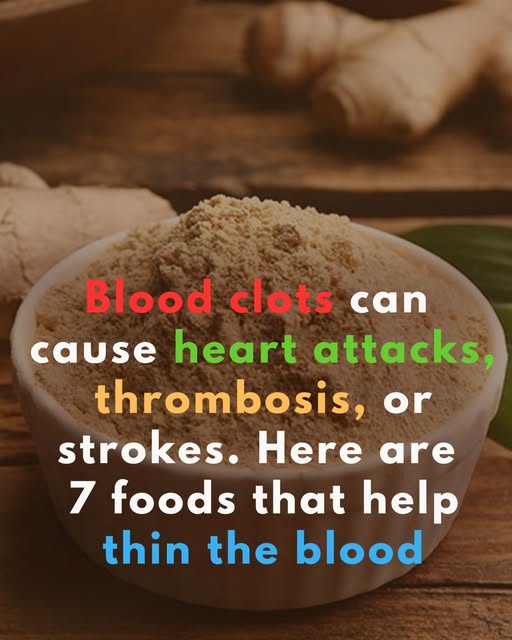
Healthy blood flow is essential for delivering oxygen and nutrients throughout the body. When blood becomes too thick or prone to clotting, it can increase the risk of serious conditions such as heart attacks, strokes, and deep vein thrombosis. While medications like anticoagulants are often prescribed for high-risk individuals, certain foods naturally support healthy circulation and help reduce excessive clotting.
These foods don’t “thin” blood in the same way medication does, but they can reduce platelet aggregation, improve vessel flexibility, and lower inflammation, all of which support smoother blood flow. Here are seven powerful blood-thinning foods you should know about—and how to use them safely.
1. Garlic
Nature’s Circulation Booster
Garlic has been used medicinally for thousands of years, and modern research confirms its cardiovascular benefits. Garlic contains sulfur compounds—especially allicin—that help reduce platelet clumping and support healthy blood vessels.
Benefits:
- Reduces platelet aggregation
- Helps lower blood pressure
- Improves overall circulation
- Supports heart health
How to use it:
Fresh, crushed garlic is the most potent. Add it to soups, stir-fries, sauces, or salad dressings. Let it sit for 5–10 minutes after crushing to activate allicin.
Caution:
Large amounts may increase bleeding risk, especially if you’re on blood-thinning medication.
2. Ginger
A Natural Anti-Clot Spice
Ginger contains compounds called salicylates, similar to those found in aspirin. These compounds may help prevent blood platelets from sticking together while also reducing inflammation.
Benefits:
- Improves circulation
- Reduces inflammation
- Supports heart and digestive health
- May help lower cholesterol
How to use it:
Fresh ginger tea, grated ginger in meals, or small amounts in smoothies are excellent options.
Caution:
Excessive ginger intake may enhance the effects of anticoagulant drugs.
3. Turmeric
Golden Protection for Your Blood
Turmeric’s active compound, curcumin, has powerful anti-inflammatory and antiplatelet properties. It helps reduce clot formation and supports healthy arteries.
Benefits:
- Inhibits platelet aggregation
- Reduces chronic inflammation
- Supports vascular health
- May improve circulation over time
How to use it:
Add turmeric to curries, rice, soups, or warm milk. Combine with black pepper to improve absorption.
Caution:
Avoid high doses if you have gallbladder issues or are preparing for surgery.
4. Fatty Fish
Omega-3 Powerhouses
Salmon, sardines, mackerel, and tuna are rich in omega-3 fatty acids, which are well known for their blood-thinning and heart-protective effects.
Benefits:
- Reduces blood clot formation
- Lowers triglycerides
- Decreases inflammation
- Improves blood vessel function
How to use it:
Aim for two servings per week, grilled or baked rather than fried.
Caution:
Excess omega-3 intake from supplements can increase bleeding risk.
5. Berries
Small Fruits, Big Impact
Blueberries, strawberries, raspberries, and cranberries are rich in flavonoids, which help reduce platelet stickiness and improve circulation.
Benefits:
- Enhances blood vessel flexibility
- Reduces oxidative stress
- Supports heart health
- Helps prevent abnormal clotting
How to use it:
Eat fresh or frozen berries daily in oatmeal, yogurt, or smoothies.
Bonus tip:
Cranberries may interact with blood-thinning medications like warfarin—consume in moderation.
6. Dark Chocolate
A Heart-Healthy Indulgence
High-quality dark chocolate (70% cocoa or more) contains flavanols that help prevent platelets from clumping and support healthy blood flow.
Benefits:
- Improves circulation
- Reduces platelet aggregation
- Supports heart and brain health
- Lowers inflammation markers
How to use it:
Enjoy a small square (20–30 grams) a few times per week.
Caution:
Choose low-sugar varieties to avoid counteracting benefits.
7. Green Tea
Gentle Yet Effective
Green tea contains catechins, antioxidants that help reduce blood clot formation and improve vessel function.
Benefits:
- Supports healthy circulation
- Reduces inflammation
- Improves cholesterol levels
- Protects blood vessels
How to use it:
Drink 1–3 cups daily, preferably without added sugar.
Caution:
Green tea contains vitamin K in small amounts, which may interfere with certain blood-thinning medications.
Important Safety Notes
While these foods are beneficial, they are not substitutes for prescribed blood-thinning medications. If you are taking anticoagulants, have a bleeding disorder, or are preparing for surgery, consult your doctor before significantly increasing these foods in your diet.
Watch for signs of excessive thinning, such as easy bruising, nosebleeds, or prolonged bleeding from cuts.
Final Thoughts
Incorporating natural blood-thinning foods into your daily meals is a smart and delicious way to support heart health and circulation. Garlic, ginger, turmeric, fatty fish, berries, dark chocolate, and green tea all offer powerful compounds that help keep blood flowing smoothly—when used wisely.
A balanced diet, regular movement, hydration, and medical guidance together form the strongest defense against circulation-related problems. Small dietary changes today can make a meaningful difference in long-term cardiovascular health.
