 Skip to content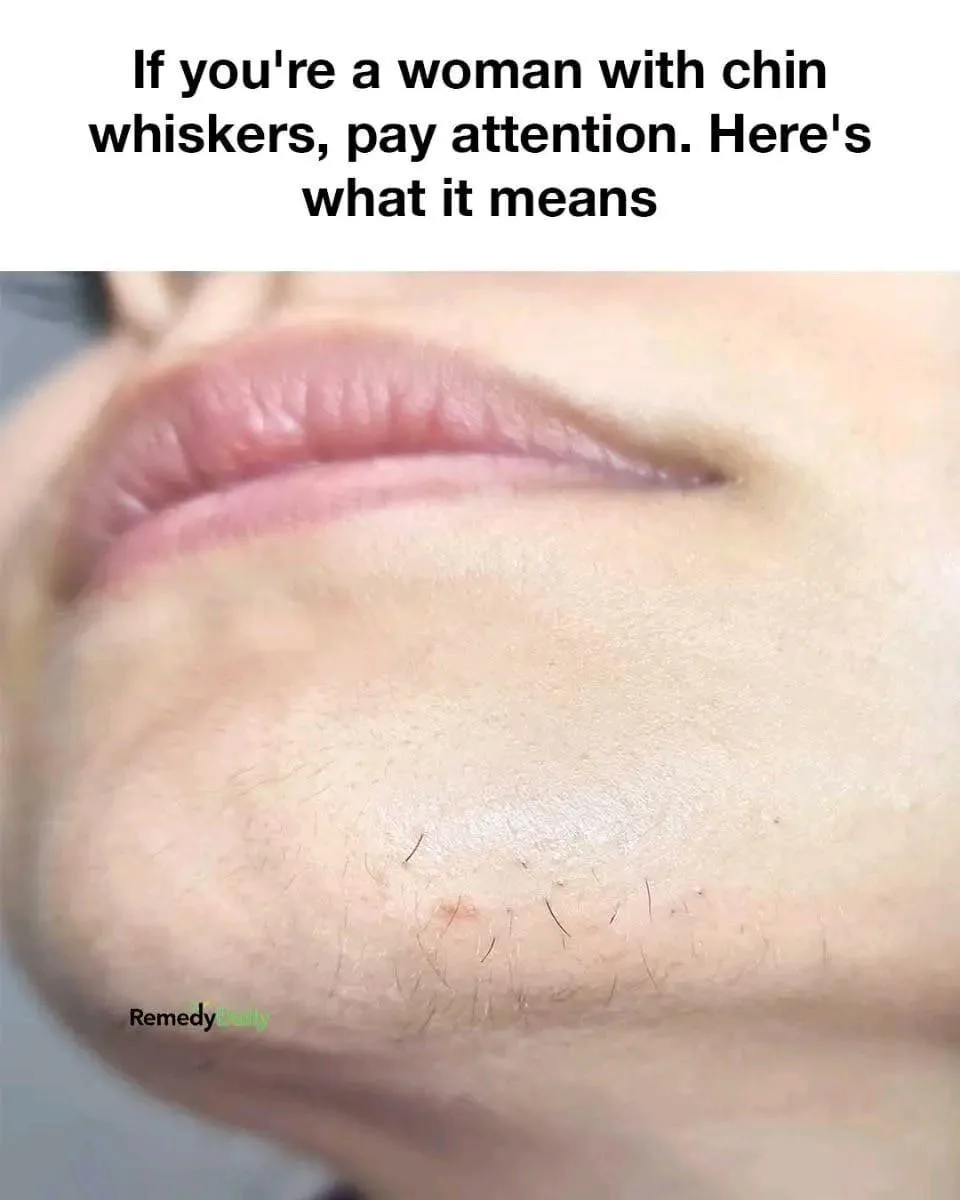
Facial hair is often thought of as a cosmetic concern—something that affects your appearance rather than your health. But what if the growth of chin whiskers, in particular, could reveal important insights about your body? While genetics certainly play a role in facial hair patterns, emerging evidence suggests that changes in hair growth, especially on the chin, may sometimes signal underlying hormonal imbalances or health conditions. Understanding these clues can help you take better care of your overall well-being.
1. Hormonal Imbalances and Androgens
One of the most common causes of excessive chin whiskers in both women and men is an imbalance in hormones, particularly androgens. Androgens, such as testosterone, are often thought of as male hormones, but they are also present in women in smaller amounts. When levels of androgens rise, it can trigger increased facial hair growth—a condition known as hirsutism in women.
Hirsutism can be caused by several factors, including polycystic ovary syndrome (PCOS), adrenal gland disorders, or certain medications like anabolic steroids or hormonal contraceptives. If you notice a sudden increase in coarse chin hair, it may be worth consulting a doctor to check your hormone levels.
2. Menopause and Aging
For women, the natural aging process can also influence chin hair growth. During menopause, estrogen levels decline while relative androgen levels may remain the same or even increase. This shift can cause the appearance of darker, coarser hairs on the chin and upper lip. While this is generally a natural part of aging, significant changes in hair growth should still be discussed with a healthcare provider to rule out other conditions.
3. Stress and Cortisol Levels
Believe it or not, your stress levels can also affect hair growth. When your body experiences chronic stress, it produces higher amounts of cortisol, the so-called “stress hormone.” Elevated cortisol can disrupt the balance of other hormones, including androgens, potentially leading to an increase in chin whiskers. Managing stress through mindfulness, exercise, or relaxation techniques may help regulate hormonal fluctuations and reduce unwanted hair growth.
4. Thyroid Disorders
Thyroid problems can manifest in surprising ways, including changes in hair patterns. Hypothyroidism, or an underactive thyroid, often causes hair thinning on the scalp, but in some cases, it may also lead to patchy or coarse hair growth elsewhere, including the chin. Hyperthyroidism, on the other hand, can sometimes cause fine, excessive facial hair. If you notice unusual changes in hair growth alongside symptoms like fatigue, weight fluctuations, or temperature sensitivity, a thyroid check could be warranted.
5. Diet and Nutritional Deficiencies
What you eat—or don’t eat—can affect your hair health. Nutritional deficiencies in vitamins like B12, D, or minerals like zinc and iron can influence hair growth. In some cases, a deficiency may weaken hair on the scalp while stimulating hair growth in other areas due to hormonal stress responses. Maintaining a balanced diet rich in vitamins, minerals, and protein is essential for healthy hair and overall bodily function.
6. Medication Side Effects
Several medications can inadvertently trigger chin whiskers. Drugs that affect hormone levels—such as steroids, certain anti-seizure medications, or even some treatments for endometriosis—may increase facial hair growth. If you notice new or unusual chin hair after starting a medication, it’s important to discuss it with your prescribing doctor. Adjusting the dosage or switching to an alternative treatment could help manage this side effect.
7. Genetics and Family History
Sometimes, chin whiskers are simply a matter of genetics. If women in your family naturally have more facial hair, you may be predisposed to similar patterns. While genetics alone is usually harmless, it can combine with other hormonal or medical factors to amplify hair growth, making it more noticeable and concerning.
8. What Chin Whiskers Can Teach You About Overall Health
While chin whiskers are often brushed off as a cosmetic issue, they can act as an early warning system for hormonal or systemic health changes. Paying attention to sudden or unusual patterns of hair growth, especially if accompanied by other symptoms like irregular periods, weight changes, fatigue, or skin issues, can prompt early intervention.
Regular check-ups, blood tests for hormone levels, and discussions with an endocrinologist or gynecologist can help determine whether your chin whiskers are simply genetic or indicative of a more serious health concern.
9. Managing Chin Whiskers
If chin whiskers are bothersome, there are both temporary and long-term solutions. Temporary methods include shaving, waxing, or threading, while long-term options like laser hair removal or electrolysis target hair growth at the root. However, addressing the underlying health issue—if one exists—is crucial for a lasting solution.
Conclusion
Chin whiskers are more than just a cosmetic nuisance; they can reflect important signals about your hormonal balance, stress levels, thyroid function, and overall health. While genetics and aging play a role, sudden changes in growth patterns should not be ignored. By paying attention to your body and seeking appropriate medical advice, you can not only manage unwanted hair but also gain valuable insights into your health.
Remember, your chin might be trying to tell you something. Listening closely could help you catch potential health issues early and maintain a healthier, more balanced life.