 Skip to content
The Hidden Truths About the “Money Tree” Plant


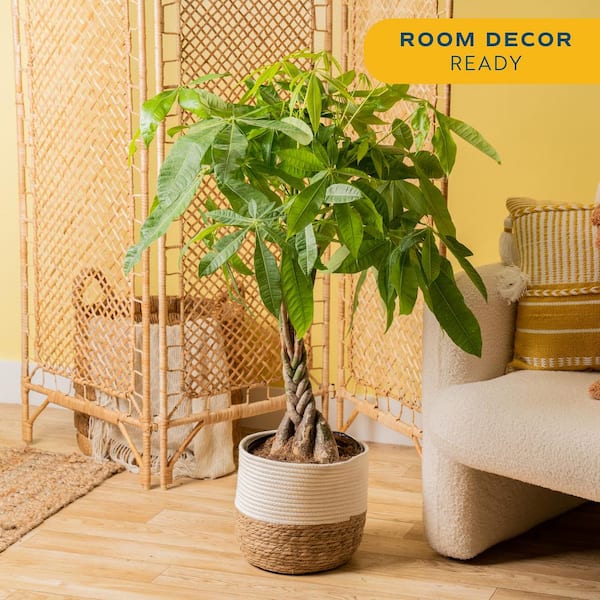
The so-called “money tree” is one of the most popular houseplants in the world. Many people keep it in their homes believing it brings good luck, prosperity, and positive energy. While the symbolic meaning is widely known, there are many surprising facts about this plant that most people never hear about. From its real origins to its hidden care secrets and even air-quality benefits, the money tree is more fascinating than it first appears.
Let’s explore what makes this plant special beyond its reputation for attracting wealth.
1. The Money Tree Has a Real Tropical Origin


Many people assume the money tree is just a decorative indoor plant, but it actually comes from tropical regions of Central and South America. In nature, it can grow into a large tree reaching heights of up to 60 feet (about 18 meters).
In the wild, it grows in swamps and wetlands. That explains why it tolerates occasional overwatering better than many houseplants. However, indoors, it still needs balanced watering — too much can still cause root rot in pots.
Another little-known fact is that the plant produces large seed pods in nature. Inside those pods are edible seeds that taste similar to chestnuts when roasted.
2. The Braided Trunk Is Man-Made


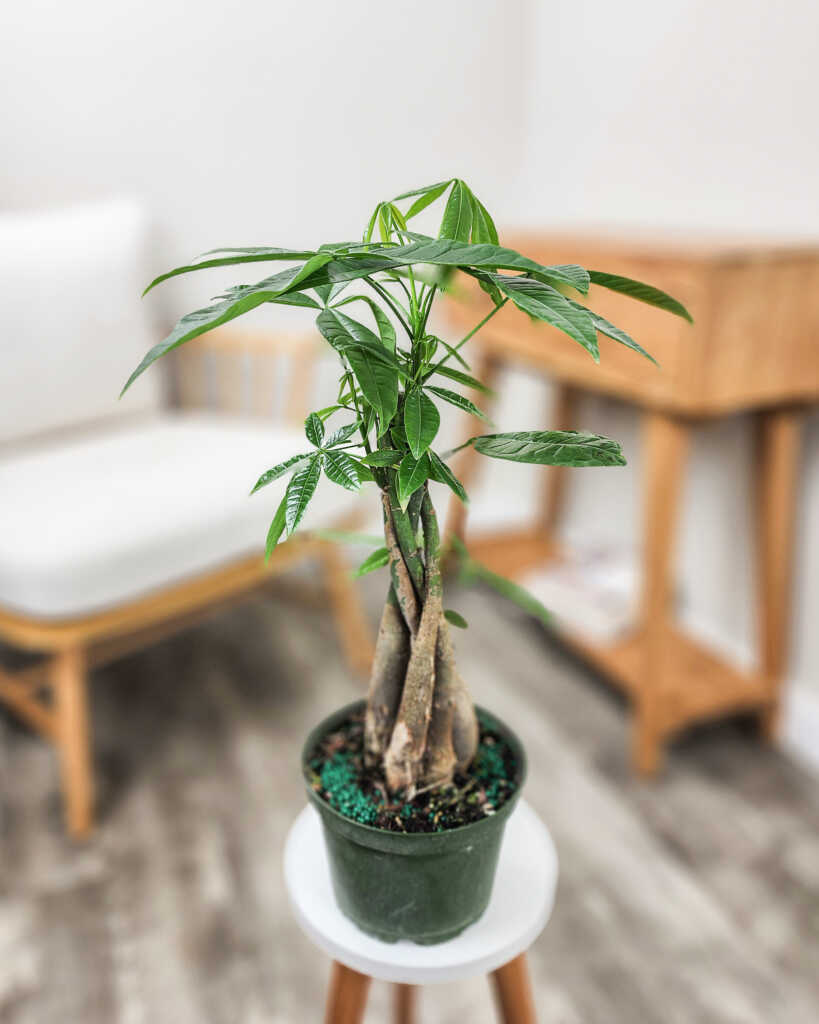
One of the most recognizable features of the money tree is its braided trunk. Many people think the plant grows like that naturally — but it doesn’t.
Growers braid several young stems together while they are still soft and flexible. As the plant grows, the stems harden and keep the braided shape permanently.
This braiding is linked to feng shui symbolism. The woven trunk is believed to “lock in” fortune and positive energy. Whether or not you believe in the symbolism, the braided trunk definitely adds unique visual appeal.
3. It May Help Improve Indoor Air Quality

While it’s not a miracle air purifier, the money tree can contribute to a healthier indoor environment. Like most green plants, it absorbs carbon dioxide and releases oxygen.
It can also help slightly reduce indoor pollutants and increase humidity levels. This is especially helpful in homes with dry air or heavy use of air conditioning.
Beyond physical air quality, many people find that simply having greenery indoors reduces stress and improves mood.
4. The Number of Leaves Has Symbolic Meaning
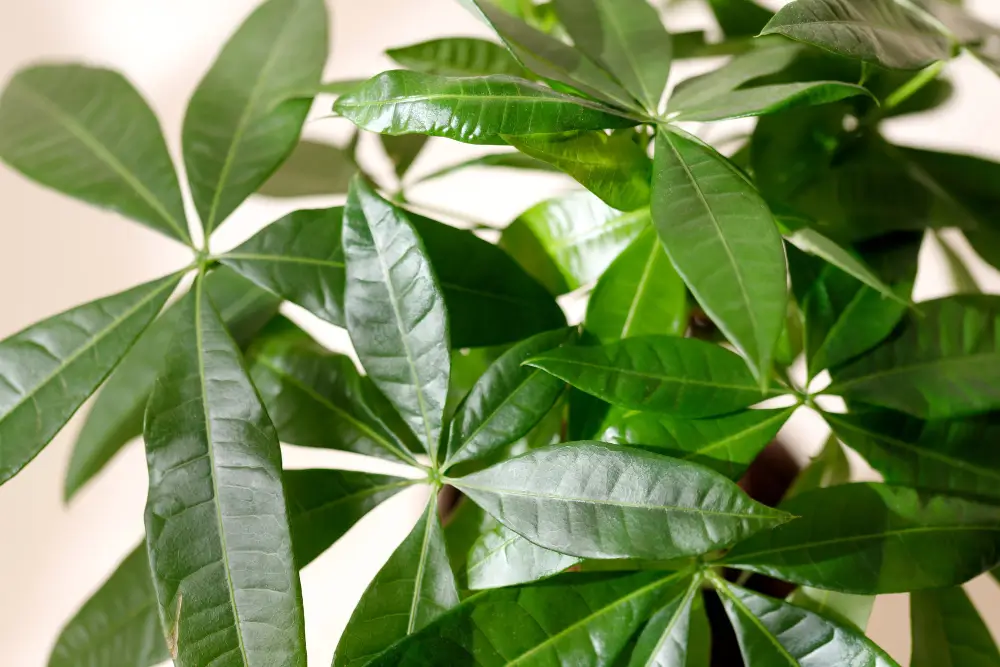


A fascinating detail many people don’t notice is the leaf pattern. Most money tree stems grow with five leaves per cluster. In feng shui, five leaves represent balance — linked to the five natural elements.
Occasionally, you may find stems with six or seven leaves. Some believe this is extra lucky and represents unexpected wealth or opportunities.
While this is cultural symbolism rather than science, it adds to the plant’s charm and popularity.
5. The Money Tree Is Surprisingly Easy to Care For


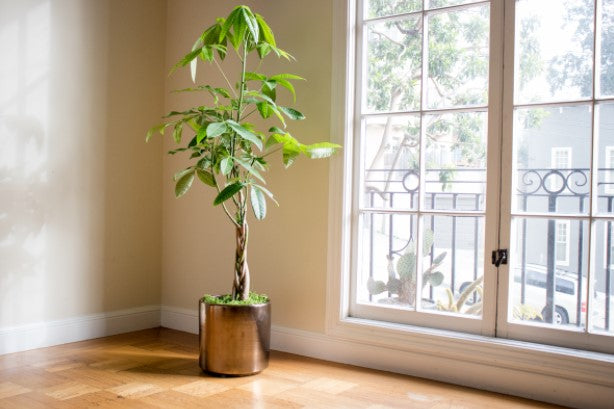
One reason the money tree is so common is that it’s beginner-friendly. It tolerates missed watering better than many tropical plants and adapts well to indoor lighting.
Basic care tips include:
• Bright, indirect light is best
• Water when the top soil feels dry
• Avoid standing water in the pot
• Rotate the plant occasionally for even growth
With proper care, a money tree can live for many years indoors.
6. It’s More About Mindset Than Magic
Perhaps the biggest hidden truth is psychological. Plants like the money tree can influence how people feel about their space. A healthy, growing plant can create a sense of progress, calmness, and care.
For some people, the plant becomes a daily reminder to stay hopeful, work hard, and stay positive about finances and life goals. In that sense, the “luck” might come from the mindset it encourages.
Final Thoughts
The money tree is more than just a decorative plant or good-luck symbol. It has real botanical history, interesting cultural meaning, and practical indoor benefits. From its tropical origins to its braided trunk craftsmanship and stress-reducing presence, it’s a plant with both beauty and story.
Whether you keep one for tradition, decoration, or simple love of plants, the money tree remains one of the most meaningful houseplants you can grow at home.