 Skip to content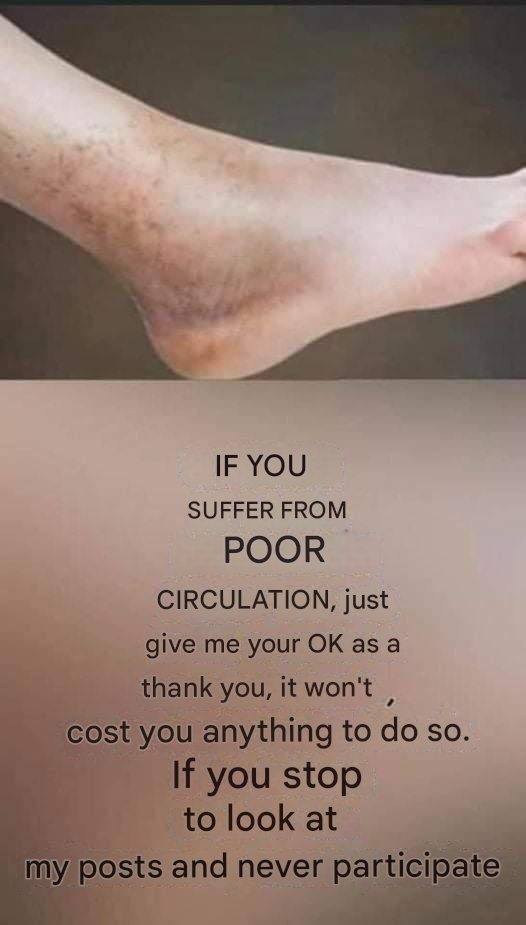
Poor circulation in the legs is more common than many people realize. It often creeps in quietly, showing up as cold feet, numbness, tingling, heaviness, swelling, or aching legs—especially after long periods of sitting or standing. For some, the discomfort is mild and occasional. For others, it can interfere with daily life, sleep, and overall well-being. The good news is that in many cases, circulation can be improved with the right combination of lifestyle changes, daily habits, and medical guidance.
What Poor Circulation in the Legs Feels Like
People with poor circulation often describe similar sensations. Your legs may feel heavy or tired even after minimal activity. You might notice swelling around the ankles, cramps at night, or a pins-and-needles feeling when you stand up. Cold feet that don’t warm up easily are another common sign. In more advanced cases, the skin may look pale or bluish, wounds may heal slowly, and pain can appear when walking short distances.
These symptoms occur because blood is not flowing efficiently through the blood vessels, depriving muscles and tissues of oxygen and nutrients.
Common Causes of Poor Leg Circulation
Several conditions and habits can contribute to circulation problems:
-
Sedentary lifestyle: Sitting for long hours slows blood flow, especially in the legs.
-
Smoking: Nicotine damages blood vessels and restricts blood flow.
-
Diabetes: High blood sugar can damage nerves and blood vessels over time.
-
High blood pressure and cholesterol: These can narrow or stiffen arteries.
-
Peripheral artery disease (PAD): A condition where narrowed arteries reduce blood flow to the limbs.
-
Varicose veins: Weakened veins can cause blood to pool in the legs.
Understanding the cause is important, because it helps determine the most effective solution.
The First and Most Important Solution: Move More
Movement is one of the most powerful ways to improve circulation in the legs. When muscles contract, they help push blood back toward the heart.
-
Walking daily: Even 20–30 minutes a day can make a noticeable difference.
-
Leg exercises: Simple movements like ankle circles, calf raises, and leg lifts improve blood flow.
-
Break long sitting periods: Stand up, stretch, or walk for a few minutes every hour.
If your legs feel heavy or numb by the end of the day, regular movement can significantly reduce these sensations over time.
Elevation and Compression: Simple but Effective
-
Elevate your legs: Lying down and raising your legs above heart level for 15–20 minutes helps blood drain from the legs and reduces swelling.
-
Compression stockings: These specially designed socks gently squeeze the legs, helping veins move blood upward. They are especially helpful for people who stand or sit for long periods.
Improve Circulation Through Diet
What you eat plays a major role in vascular health.
-
Stay hydrated: Dehydration thickens the blood, making circulation harder.
-
Eat circulation-friendly foods: Leafy greens, berries, citrus fruits, garlic, ginger, and fatty fish support blood vessel health.
-
Reduce salt intake: Too much salt can worsen swelling in the legs.
-
Limit processed foods and sugar: These contribute to inflammation and vessel damage.
A balanced diet supports healthy blood flow and reduces strain on your circulatory system.
Warmth and Massage
-
Warm baths or foot soaks: Heat helps blood vessels relax and expand, improving flow.
-
Gentle massage: Massaging the legs in upward strokes encourages blood movement toward the heart and can relieve tension and discomfort.
These methods are especially soothing at the end of the day when symptoms tend to worsen.
Lifestyle Changes That Make a Big Difference
-
Quit smoking: This is one of the most important steps for improving circulation.
-
Maintain a healthy weight: Excess weight puts extra pressure on veins and arteries.
-
Manage chronic conditions: Keeping diabetes, blood pressure, and cholesterol under control protects blood vessels.
When to See a Doctor
While lifestyle changes help many people, persistent or worsening symptoms should never be ignored. Seek medical advice if you experience:
-
Pain in the legs while walking that improves with rest
-
Non-healing sores or wounds
-
Sudden swelling, redness, or warmth in one leg
-
Severe numbness or color changes
These may indicate conditions that require medical treatment.
The Bottom Line
If your legs feel heavy, cold, numb, or swollen, poor circulation may be the underlying cause. The solution often starts with simple, consistent changes: moving more, eating well, elevating your legs, and caring for your blood vessels. While these steps can greatly improve comfort and quality of life, listening to your body and seeking professional guidance when needed is essential. Healthy circulation is not just about comfort—it’s about long-term health and mobility.