 Skip to content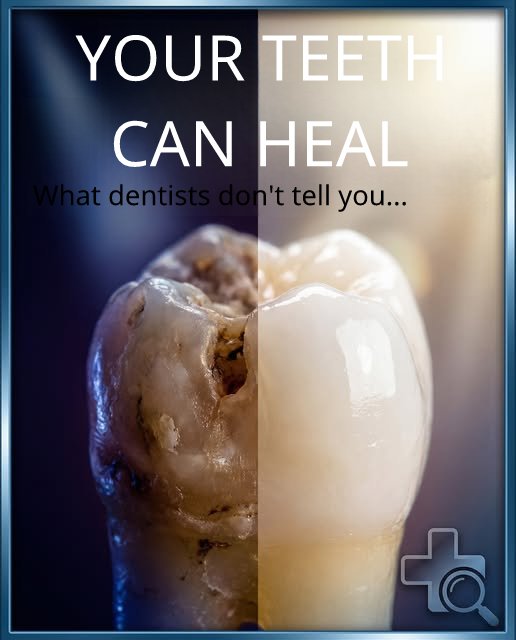
Cavities are one of the most common dental problems worldwide. They develop when bacteria in the mouth produce acids that slowly erode tooth enamel. Many people search for natural ways to “cure” cavities, hoping to avoid drills and fillings. While it’s important to be honest—advanced cavities cannot be cured naturally—the good news is that early tooth decay can often be stopped or even reversed using natural methods that support enamel remineralization and oral health.
Understanding where natural care works and where professional treatment is necessary is the key to protecting your teeth long-term.
Understanding the Stages of Cavities
Tooth decay doesn’t happen overnight. It progresses in stages:
-
Demineralization (early stage) – White spots appear as minerals are lost from enamel.
-
Enamel decay – Small cavities form but may not cause pain.
-
Dentin decay – Decay reaches deeper layers, causing sensitivity.
-
Pulp infection – Severe pain, infection, and abscesses develop.
👉 Natural methods can help only in the earliest stage, before a hole forms in the tooth. Once enamel is broken, professional dental care is required.
Can Cavities Heal Naturally?
Yes—but only early cavities. Teeth cannot regrow lost enamel, but they can regain minerals through a process called remineralization. This happens when the mouth has the right balance of minerals, saliva, and reduced acid levels.
The goal of natural care is to:
-
Strengthen enamel
-
Reduce harmful bacteria
-
Support saliva production
-
Prevent further decay
Natural Ways to Stop and Reverse Early Cavities
1. Improve Your Diet
Diet plays a major role in tooth decay.
Reduce or avoid:
-
Sugary foods and drinks
-
Soda and fruit juices
-
Frequent snacking
-
Processed carbohydrates
Eat more:
-
Leafy greens (rich in calcium and magnesium)
-
Dairy or fermented dairy (cheese, yogurt)
-
Nuts and seeds
-
Fatty fish (vitamin D source)
-
Eggs and bone broth
These foods provide minerals your teeth need to stay strong.
2. Practice Oil Pulling
Oil pulling is an ancient practice that may help reduce harmful bacteria.
How to do it:
-
Swish 1 tablespoon of coconut or sesame oil in your mouth
-
Do not swallow
-
Swish for 10–15 minutes
-
Spit out and rinse with warm water
Oil pulling does not cure cavities, but it can improve oral hygiene and reduce plaque.
3. Use Natural Toothpaste or Remineralizing Products
Some natural toothpastes contain ingredients that support enamel health:
-
Hydroxyapatite
-
Calcium carbonate
-
Baking soda
-
Xylitol
Xylitol is especially helpful because it reduces cavity-causing bacteria and stimulates saliva.
Avoid harsh abrasives that can wear enamel over time.
4. Increase Saliva Production
Saliva is your body’s natural defense against cavities.
To increase saliva:
-
Drink plenty of water
-
Chew sugar-free gum with xylitol
-
Avoid smoking and alcohol
-
Breathe through your nose, not your mouth
Dry mouth increases cavity risk significantly.
5. Maintain Proper Oral Hygiene
Good brushing and flossing habits are essential.
-
Brush twice daily using gentle circular motions
-
Floss once a day to remove plaque between teeth
-
Avoid brushing immediately after acidic foods—wait 30 minutes
Consistency is more important than brushing aggressively.
6. Ensure Adequate Minerals and Vitamins
Teeth need minerals to stay strong.
Key nutrients include:
-
Calcium
-
Phosphorus
-
Magnesium
-
Vitamin D
-
Vitamin K2
A balanced diet or supplements (if recommended by a healthcare provider) can help support tooth remineralization.
7. Limit Acid Exposure
Acid weakens enamel, making it easier for cavities to form.
Tips:
-
Avoid sipping acidic drinks throughout the day
-
Use a straw for acidic beverages
-
Rinse your mouth with water afterward
-
Balance acidic foods with mineral-rich meals
What Natural Methods Cannot Do
It’s important to be clear:
❌ Natural remedies cannot:
-
Repair holes in teeth
-
Cure deep cavities
-
Replace fillings
-
Treat infections or abscesses
Delaying professional treatment for advanced cavities can lead to severe pain, tooth loss, and systemic infection.
When to See a Dentist
You should seek dental care if you experience:
-
Tooth pain or sensitivity
-
Visible holes or dark spots
-
Swelling or gum pain
-
Persistent bad breath
-
Pain when chewing
Early treatment is simpler, less expensive, and less invasive.
Final Thoughts
Natural approaches can be powerful tools for preventing cavities and reversing early enamel damage, but they are not a replacement for professional dental care. Think of natural methods as a way to support your body’s ability to protect and strengthen teeth—especially when combined with good oral hygiene and a healthy diet.
If you catch decay early, make the right changes, and work alongside a dentist, you can often stop cavities before they become serious.