 Skip to content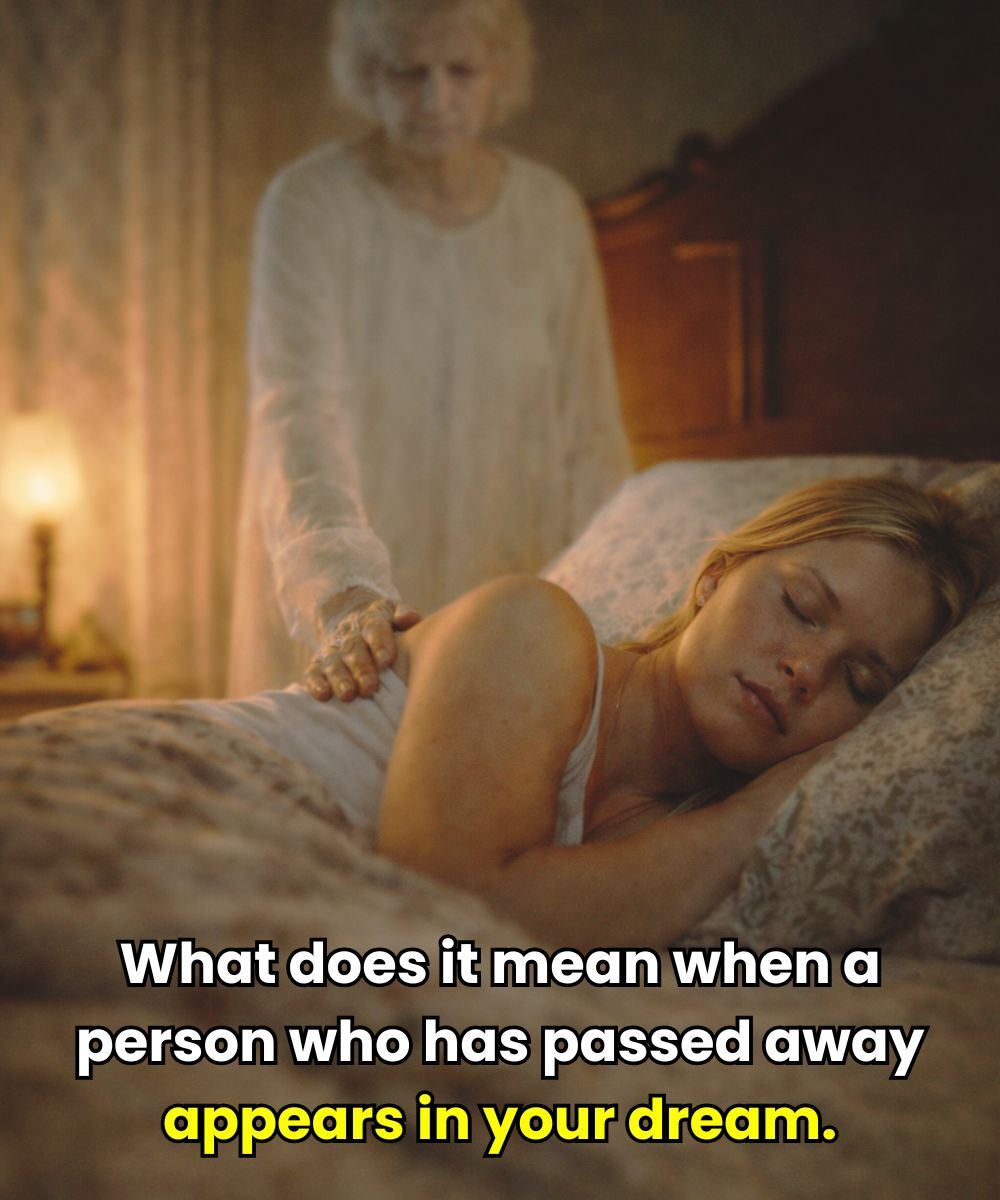
Dreams are strange, fleeting glimpses of the subconscious mind, often leaving us with lingering emotions that can be both comforting and unsettling. One of the most powerful and emotionally charged dreams is when someone who has passed away appears. Such dreams can evoke a wide range of feelings—grief, nostalgia, fear, even joy—and they often leave us questioning their meaning. To truly understand what it might signify when a deceased person shows up in your dream, it’s worth exploring the psychological, spiritual, and symbolic dimensions of such experiences.
From a psychological perspective, dreams are often a reflection of unresolved emotions. The appearance of someone who has passed away may indicate that your mind is processing grief or loss that you may not have fully acknowledged while awake. Grief is not a linear process; it ebbs and flows, sometimes unexpectedly. Seeing a loved one in a dream could signify that you are still integrating their absence into your life. Your subconscious may use the dream as a safe space to express feelings you may not confront during the day—longing, guilt, regret, or even anger. For instance, if the dream involves conversation with the deceased, it may reflect your desire for closure, or it could represent an internal dialogue where you are seeking guidance or reassurance from someone you once trusted deeply.
On a symbolic level, deceased individuals in dreams often embody qualities or lessons that your mind is trying to highlight. Psychologists like Carl Jung believed that dreams use symbols to communicate hidden truths or insights. A departed loved one might symbolize wisdom, strength, or unresolved issues from your past. Their appearance could be a reminder to pay attention to certain aspects of your life—perhaps lessons they taught you, habits you shared, or unresolved conflicts that need addressing. In some cases, the dream may not be about the person themselves, but about the emotions they represent. For example, dreaming of a nurturing grandmother could symbolize your need for comfort or guidance in a current situation, whereas a stern parent appearing might reflect guilt, judgment, or a moral lesson your subconscious is emphasizing.
Beyond psychology, many cultures and spiritual traditions interpret these dreams as messages from the other side. In some belief systems, dreaming of the deceased is seen as a visit from the soul or spirit of the person, often intended to provide comfort, guidance, or warning. For instance, in some Eastern traditions, such dreams are believed to indicate that the spirit is at peace and is trying to communicate reassurance to the living. In Western spiritual traditions, particularly in folklore, such dreams can be interpreted as a sign that the deceased is watching over you or attempting to convey an important message. The context of the dream—the setting, the emotions experienced, and the actions of the deceased—often plays a crucial role in determining the meaning. A calm, loving interaction may be a symbol of protection and reassurance, while a disturbing or frightening dream might indicate unresolved conflict or unfinished business.
There is also a reflective, introspective aspect to consider. Dreaming of someone who has passed away often makes us confront our own mortality and the transient nature of life. These dreams can be deeply philosophical, prompting thoughts about the fragility of existence, the value of relationships, and the way we process memories. They remind us that the people we lose continue to live on in our hearts, influencing our decisions, behaviors, and even our dreams. In a way, these dreams serve as bridges between past and present, between what was and what continues to shape us, urging us to examine how we carry the memory of the departed in our daily lives.
It’s also worth noting that the emotional tone of the dream can provide insight. If the dream leaves you feeling comforted, it may indicate acceptance and healing. If it evokes fear or sadness, it could suggest unresolved grief or lingering emotional attachment. Reflecting on your waking life circumstances—recent losses, major life changes, or unresolved conflicts—can help you interpret why the deceased person appeared now, at this particular moment. Often, these dreams arrive at times when your subconscious needs guidance, reassurance, or closure, even if you are not fully aware of it while awake.
Finally, seeing a deceased person in your dream can encourage personal growth and introspection. It can make you think about the nature of life, death, and the legacies we leave behind. It may push you to reach out to loved ones, express feelings you have long held back, or resolve lingering conflicts. It reminds you that life is fragile and that every relationship has the power to leave a lasting impact. Whether viewed as a psychological manifestation, a spiritual encounter, or a symbolic reflection, these dreams are a reminder that those who have passed continue to influence our journey, teaching lessons, offering comfort, or challenging us to face emotions we might otherwise ignore.
In essence, when a deceased person appears in your dream, it is an invitation to pause, reflect, and feel. It makes you think about your emotional landscape, the bonds that transcend death, and the inner workings of your own heart and mind. It asks you to confront unresolved feelings, cherish memories, and consider how the influence of the departed continues to shape your present. These dreams are not mere figments of imagination—they are windows into the complex, often mysterious dialogue between memory, emotion, and the subconscious mind, urging you to explore the depths of your own humanity.