 Skip to content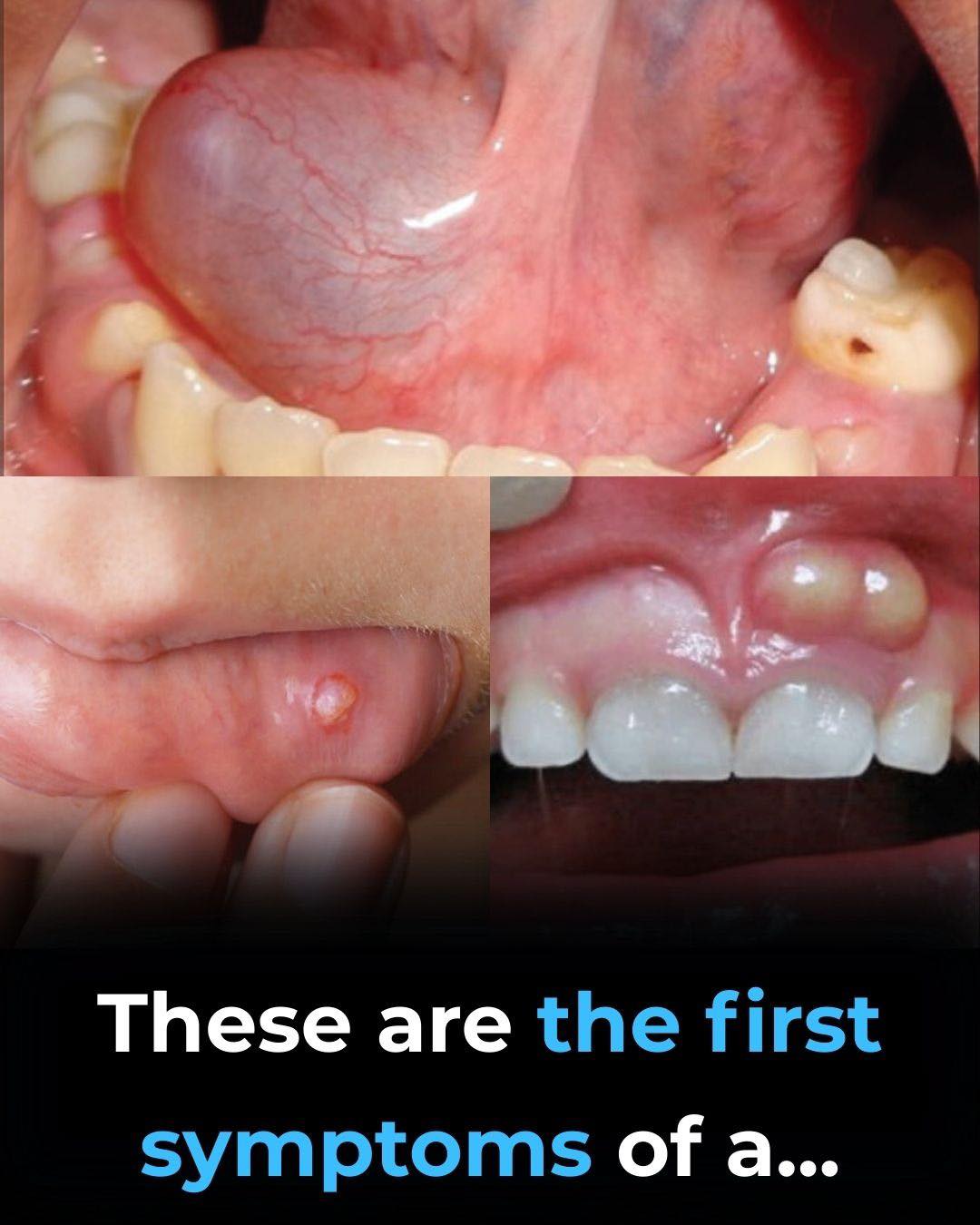
Hidden Dangers in Your Mouth: Early Signs of Oral Cancer
Oral health is often overlooked until a problem becomes severe, but some issues can be much more serious than cavities or gum disease. Oral cancer is one of these hidden dangers. Early detection can save lives, yet many people ignore subtle warning signs. Understanding the early symptoms and risk factors is crucial to protecting your health.
What Is Oral Cancer?
Oral cancer refers to malignant growths that develop in the mouth, lips, tongue, cheeks, or throat. It is a type of head and neck cancer and can spread rapidly if not detected early. According to health organizations, thousands of cases are diagnosed every year, and survival rates improve dramatically when caught in the early stages.
Key risk factors include:
-
Tobacco use (smoking and chewing)
-
Excessive alcohol consumption
-
Human papillomavirus (HPV) infection
-
Prolonged sun exposure (especially for lips)
-
Poor oral hygiene
Early Signs of Oral Cancer
Recognizing the early signs of oral cancer can mean the difference between life and death. Here are the most common symptoms to watch for:
1. Persistent Mouth Sores or Ulcers
-
Sores that don’t heal within two weeks
-
Painful or tender spots on lips, gums, or tongue
-
Bleeding from an unexplained sore
2. White or Red Patches in the Mouth
-
Leukoplakia (white patches)
-
Erythroplakia (red patches)
-
Often painless but can become malignant over time
3. Unexplained Pain or Numbness
-
Lingering pain in the tongue or jaw
-
Numbness in parts of the mouth
-
Difficulty chewing or swallowing
4. Lumps or Thickened Areas
-
Growths inside the mouth or on the lips
-
Hardening of tissues
-
Swelling that doesn’t subside
5. Changes in Speech or Eating Habits
-
Slurred speech
-
Difficulty moving the tongue
-
Unexplained weight loss due to painful chewing
Who Is at Risk?
While oral cancer can affect anyone, certain individuals are at higher risk. Being aware of these factors can encourage timely screening:
-
Smokers and tobacco users: The risk is significantly higher for long-term users.
-
Heavy drinkers: Alcohol can irritate mouth tissues and increase cancer risk.
-
Individuals with HPV: A sexually transmitted virus linked to oral cancers.
-
Older adults: People over 40 have a higher likelihood of developing mouth cancer.
-
Those with poor dental hygiene: Chronic inflammation and infections may contribute to cancerous changes.
How Oral Cancer Is Diagnosed
If you notice any of the symptoms mentioned, visit a dentist or doctor immediately. Early detection is crucial. Diagnostic steps may include:
-
Oral examination: Dentists can spot unusual changes in the mouth.
-
Biopsy: Tissue samples are taken to check for cancer cells.
-
Imaging tests: CT scans, MRI, or X-rays can detect tumor growth.
-
HPV testing: In certain cases, to determine viral involvement.
Prevention and Early Detection
While some risk factors are unavoidable, several measures can help reduce the risk of oral cancer:
-
Quit smoking and tobacco use: The most effective prevention step.
-
Limit alcohol intake: Reduce heavy drinking to lower risk.
-
Maintain good oral hygiene: Brush, floss, and schedule regular dental checkups.
-
Protect lips from the sun: Use SPF lip balm during prolonged outdoor exposure.
-
Self-exams: Check your mouth for any unusual sores, lumps, or color changes.
-
Regular dental screenings: Professional exams can detect precancerous conditions early.
Why Early Detection Matters
Oral cancer detected in its early stages has a significantly higher survival rate. Late-stage diagnosis often requires invasive surgery, chemotherapy, or radiation therapy, and recovery can be challenging. Being proactive and attentive to early warning signs increases the chances of successful treatment and a full recovery.
Final Thoughts
Your mouth can reveal a lot about your overall health. Paying attention to subtle changes and understanding the early signs of oral cancer can save your life. If you notice persistent sores, unusual patches, lumps, or unexplained pain, don’t wait—schedule a dental appointment immediately. Remember, early detection is your most powerful defense against oral cancer.
Keywords to remember: oral cancer signs, symptoms of mouth cancer, early detection of oral cancer, dental health, oral health tips.