 Skip to content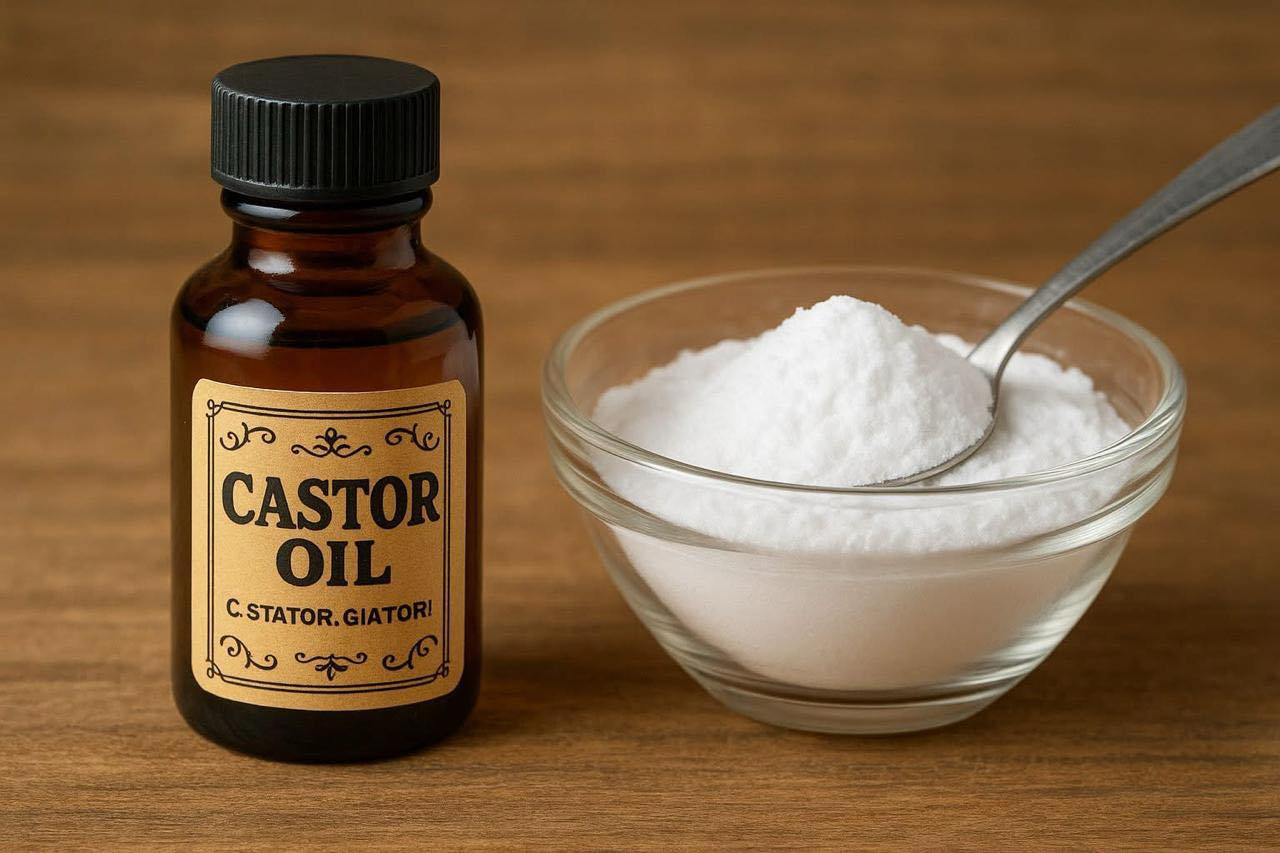
The idea of mixing castor oil with baking soda has circulated for years across home-remedy blogs, social media posts, and traditional wellness discussions. Some claim it can help with skin problems, pain, inflammation, or even serious illnesses. While both castor oil and baking soda have legitimate individual uses, combining them requires a clear understanding of what is scientifically supported—and what is not. This article explains the mixture, its proposed uses, possible benefits, and, most importantly, the risks and precautions you should know before trying it.
What Is Castor Oil?
Castor oil is a thick, pale-yellow oil extracted from the seeds of the Ricinus communis plant. It has been used for centuries in traditional medicine and cosmetics. Its main active component is ricinoleic acid, a fatty acid known for its moisturizing and mild anti-inflammatory properties.
Common evidence-based uses of castor oil include:
-
Moisturizing dry skin and hair
-
Supporting scalp health
-
Acting as a mild laxative (when used internally under medical guidance)
-
Softening calluses and rough skin
Castor oil is widely used in cosmetics and pharmaceuticals, but its benefits are often exaggerated online.
What Is Baking Soda?
Baking soda, or sodium bicarbonate, is a mild alkaline substance commonly used in cooking, cleaning, and personal care. It can neutralize acids and has gentle abrasive properties.
Common uses include:
-
Deodorizing odors
-
Gentle exfoliation
-
Temporary relief of itching from insect bites
-
Cleaning teeth and surfaces
However, baking soda can disrupt the skin’s natural pH if overused.
Why Do People Mix Castor Oil and Baking Soda?
The mixture is often promoted in alternative medicine circles as a “natural cure-all.” Claims include:
-
Drawing out toxins
-
Reducing inflammation
-
Shrinking skin growths
-
Relieving joint or muscle pain
-
Improving circulation
These claims are largely anecdotal and not supported by strong scientific evidence. While the ingredients themselves have properties that may soothe or soften skin, the combination does not “cure” diseases.
Possible Benefits (Limited and Surface-Level)
When used externally and cautiously, the mixture may provide temporary cosmetic or comfort benefits, such as:
1. Skin Softening
Castor oil acts as an emollient, while baking soda can gently exfoliate dead skin cells.
2. Mild Massage Effect
When applied with massage, the oil helps reduce friction, which may ease minor muscle stiffness due to improved circulation—not because of any medicinal reaction.
3. Short-Term Itch Relief
Baking soda may help neutralize acidic irritants on the skin, while castor oil prevents excessive dryness.
These effects are mild and comparable to many basic skincare products.
How the Mixture Is Commonly Prepared
A commonly shared ratio is:
-
1 tablespoon castor oil
-
½ teaspoon baking soda
The mixture is stirred until a paste forms and applied externally for a short period, usually 10–20 minutes, then washed off.
⚠️ This should never be ingested.
Important Risks and Warnings
This is where caution is essential.
1. Skin Irritation and Burns
Baking soda is alkaline and can disrupt the skin’s natural protective barrier. Repeated use may cause:
-
Redness
-
Dryness
-
Burning or itching
-
Worsening of sensitive skin conditions
2. Not Safe for Long-Term Use
Using this mixture frequently can damage the skin microbiome and lead to chronic irritation.
3. No Proof of “Detox” or Disease Treatment
There is no scientific evidence that castor oil and baking soda can:
-
Remove toxins from the body
-
Treat tumors, cysts, or chronic pain conditions
-
Cure arthritis, infections, or internal diseases
Relying on such remedies may delay proper medical care.
4. Dangerous Claims Online
Some sources falsely claim the mixture can treat serious illnesses. These claims are misleading and potentially harmful.
Who Should Avoid This Mixture?
-
People with sensitive skin or eczema
-
Children and elderly individuals
-
Pregnant or breastfeeding women
-
Anyone with open wounds or skin infections
Always perform a patch test before applying anything new to your skin.
Safer Alternatives
If your goal is:
-
Moisturizing → Use plain castor oil or a dermatologist-approved cream
-
Exfoliation → Use gentle exfoliants designed for skin
-
Pain relief → Use medically approved topical treatments or consult a healthcare provider
Final Thoughts
Mixing castor oil with baking soda is a traditional home remedy that may offer mild, short-term skin comfort when used sparingly and externally. However, it is not a miracle cure, not a detox solution, and not a replacement for medical treatment. The biggest danger lies not in the mixture itself, but in the exaggerated claims surrounding it.
If you choose to try it, do so cautiously, infrequently, and with realistic expectations. When it comes to persistent pain, skin problems, or any medical condition, professional medical advice remains the safest and most effective path.