 Skip to content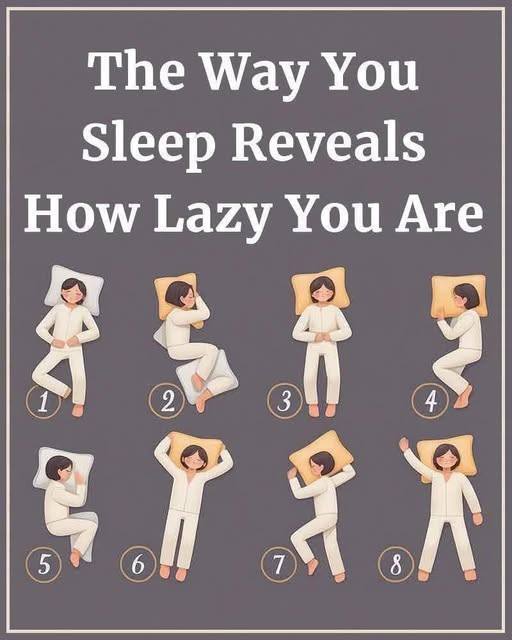
The Way You Sleep Reveals How Lazy You Are (According to Psychology)
We all have a favorite sleeping position. Some people curl up tightly like a cat, others sprawl across the bed like a starfish, and a few sleep so neatly they look ready for inspection. But what if the way you sleep says more about you than just comfort? According to psychologists and sleep researchers, your sleeping habits may quietly reflect your motivation levels, work ethic, and even how others perceive your energy and ambition.
Before you get defensive—this isn’t about judging anyone. Laziness isn’t always a bad thing, and rest is essential for health. Still, patterns in sleep posture, routine, and habits can offer fascinating clues about personality traits, including productivity and drive.
Let’s break it down.
1. Sleeping Too Much: The Hidden Red Flag
One of the most common signs people associate with laziness is sleeping excessively. Adults typically need 7–9 hours of sleep, but regularly sleeping 10–12 hours without a medical reason may signal more than just tiredness.
Psychologists note that oversleeping is often linked to:
-
Low motivation
-
Avoidance behavior
-
Mental fatigue or burnout
-
Mild depression
When someone uses sleep as an escape from responsibilities, it can appear as laziness on the surface. In reality, the brain may be overwhelmed, not idle. Still, consistently sleeping far beyond your needs can reduce momentum and reinforce low-energy habits.
2. The Starfish Sleeper: Relaxed or Too Comfortable?
Starfish sleepers lie on their backs with arms and legs spread wide. This position is associated with openness and relaxation—but also a tendency to get too comfortable.
People who sleep this way are often:
-
Easygoing
-
Not easily stressed
-
Resistant to urgency
While this doesn’t mean they’re lazy, starfish sleepers may struggle with discipline and deadlines. Comfort is a priority, and when life demands effort or discomfort, motivation can drop quickly.
3. The Fetal Position: Hardworking but Emotionally Drained
Curling up tightly on your side is one of the most common sleep positions. Interestingly, this posture is rarely associated with laziness.
Fetal sleepers tend to be:
-
Hardworking
-
Sensitive to pressure
-
Mentally active
However, constant exhaustion can look like laziness. If you’re productive but emotionally drained, your body may curl inward as a form of self-protection. From the outside, your need for extra rest might be misread as low effort.
4. Falling Asleep Anywhere, Anytime
If you can fall asleep on the couch, during car rides, or within minutes of lying down, it might seem like a “lazy” trait. But psychologists say it often points to chronic sleep deprivation.
That said, people who ignore sleep schedules and rely on “catch-up sleep” often develop:
-
Poor time management
-
Low morning productivity
-
A reputation for sluggishness
This pattern creates a cycle: poor sleep leads to low energy, which leads to procrastination, which then leads to more poor sleep.
5. Sleeping in Clothes or Daywear
Surprisingly, people who sleep in the clothes they wore during the day are often labeled as lazy—but research suggests something more complex.
This habit is linked to:
-
Mental overload
-
Decision fatigue
-
Emotional exhaustion
When the brain is drained, even small tasks like changing clothes feel unnecessary. While not laziness in the traditional sense, it can reflect burnout and disengagement from routines that support productivity.
6. No Fixed Sleep Schedule = Low Self-Discipline
One of the strongest links between sleep and perceived laziness is irregular sleep timing. Going to bed and waking up at different hours every day disrupts the body’s internal clock.
People without consistent sleep schedules often struggle with:
-
Morning motivation
-
Focus and follow-through
-
Long-term goals
Laziness here isn’t about unwillingness—it’s about a brain that never fully syncs into “action mode.”
7. The “Just Five More Minutes” Habit
Hitting the snooze button repeatedly is one of the clearest signals of low morning drive. Studies show that frequent snoozing increases grogginess and delays mental alertness.
This habit reinforces:
-
Avoidance
-
Short-term comfort over long-term goals
-
A slow, unmotivated start to the day
Over time, it trains the brain to resist effort the moment it’s required.
So… Are You Really Lazy?
Here’s the truth: sleep doesn’t reveal laziness—it reveals energy management.
What looks like laziness is often:
-
Poor sleep quality
-
Mental overload
-
Emotional stress
-
Burnout
However, when unhealthy sleep habits go unaddressed, they can turn into chronic low motivation and reduced productivity.
The Takeaway
Your sleeping position, habits, and schedule offer subtle insights into how you handle effort, comfort, and discipline. If you want to appear—and feel—less lazy, improving sleep consistency often works better than forcing motivation.
Sometimes, the most productive thing you can do… is fix how you sleep.