 Skip to content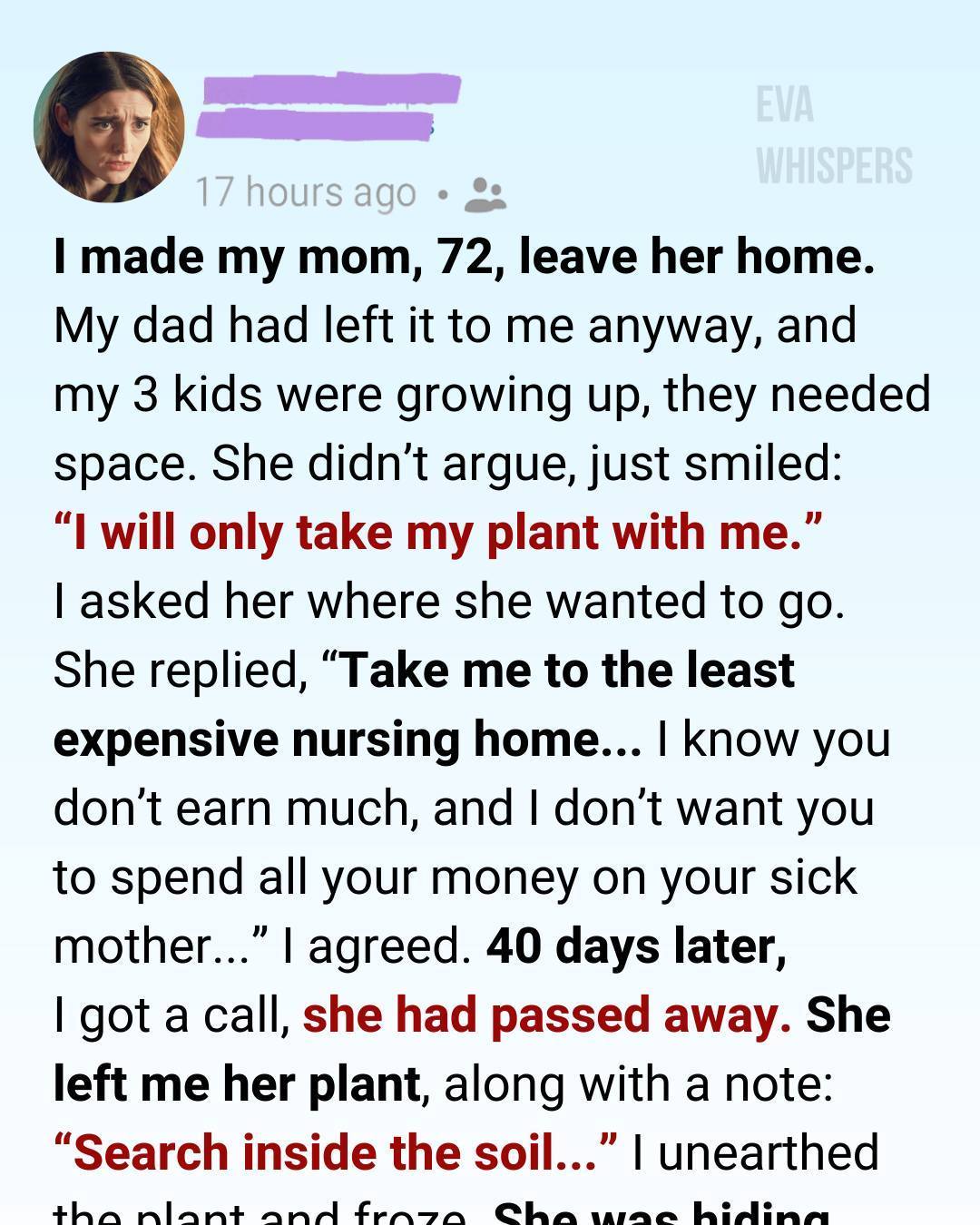
I still remember the day I signed the papers. The office smelled faintly of disinfectant and old carpet, and the woman behind the desk spoke gently, as if softness could cover the sharpness of the decision I was making. I chose the cheapest nursing home I could find. I told myself it was temporary. I told myself I had no other choice.
My mother had been sick for years. Not the kind of sick that earns sympathy cards and casseroles, but the slow, exhausting kind that drains everyone involved. Her body weakened inch by inch. Her memory flickered. Caring for her became a full-time job layered on top of my actual full-time job, my bills, my children, my constant fatigue. Love alone was no longer enough to hold everything together.
The more expensive facilities promised gardens, music therapy, private rooms. This one promised “basic care.” That phrase followed me home like a shadow. Basic. As if a human life could be reduced to a checklist.
The first few weeks, I visited often. I brought her favorite shawl, soft socks, homemade soup she barely touched. The room was small, the paint chipped, the television ancient. But she smiled when she saw me, and I clung to that smile like proof I hadn’t failed her.
Then life crept back in. Visits became shorter. Then less frequent. I always had a reason—work deadlines, sick kids, traffic, exhaustion. I told myself she didn’t really notice anymore. I told myself she was being taken care of.
She died on a Tuesday morning.
The call came while I was standing in line at a grocery store, debating between brands of cereal. The words felt unreal, like they were meant for someone else. I hung up, paid for my groceries, and sat in my car for a long time before I could turn the key.
At the nursing home, a nurse handed me a small box with my mother’s belongings. A hairbrush. A pair of glasses. A folded sweater. And a plant.
It was a pothos—nothing rare or elegant. Just green vines spilling over the edge of a cheap plastic pot. I almost laughed at the absurdity of it. My mother had always loved plants, even when she could barely remember my name. She used to say plants were honest. “They show you exactly how you treat them,” she’d tell me.
The plant looked… healthy.
Its leaves were glossy, vibrant, reaching toward the light from the window. Someone had watered it regularly. Someone had turned it so it wouldn’t grow crooked. Someone had cared.
That’s when it broke me.
I stood there holding that plant, and suddenly all my carefully constructed justifications collapsed. Someone—likely underpaid, overworked, invisible—had taken the time to keep this plant alive. Day after day. While I had missed visits. While I had rushed through conversations. While I had told myself “basic care” was enough.
I realized then that care is not just about money. It’s about presence. Attention. Small, repeated acts that say, I see you. You matter.
I took the plant home. It sits by my window now. Every time I water it, I think about my mother sitting in that small room, maybe watching those same leaves, maybe finding comfort in their quiet growth. I wonder if she talked to it. I hope she did.
Guilt is a strange thing. It doesn’t always arrive when you expect it. It waits. It hides. And then it shows up in the form of a green leaf catching the sunlight.
I don’t believe I’m a bad person. I believe I was tired, overwhelmed, and human. I did what I thought I had to do. But I also believe love doesn’t end at intention. It lives in action, in showing up, even when it’s hard.
If I could go back, I don’t know that I’d magically find the money for a better place. But I know this: I would visit more. I would sit longer. I would hold her hand instead of checking my phone. I would treat time as the gift it was.
The plant keeps growing. New leaves unfurl every few weeks, stubborn and alive. It reminds me that even in imperfect places, care can exist. And that neglect, even unintentional, leaves quiet marks we may only notice when it’s too late.
I sent my sick mother to the cheapest nursing home. After her death, her plant taught me the most expensive lesson of my life.