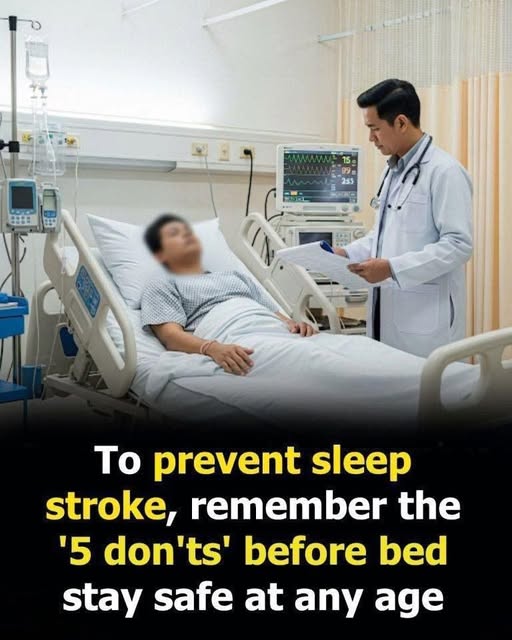
A silent stroke can strike when you least expect it — often without dramatic warning signs, pain, or an emergency room visit. That’s what makes it so dangerous. Unlike a major stroke, a silent stroke may not cause obvious paralysis or speech loss, but it quietly damages brain tissue, increasing your risk of memory loss, dementia, walking problems, and a future, more severe stroke.
The good news? Small, everyday habits can dramatically lower your risk. You don’t need extreme measures — just consistent, smart choices. Here’s what you need to know.
What Is a Silent Stroke?
A silent stroke happens when blood flow to a small area of the brain is briefly blocked, killing brain cells without causing noticeable symptoms. Many people only discover they’ve had one during an MRI scan done for another reason.
Despite the name, silent strokes are not harmless. Each one leaves a tiny scar in the brain. Over time, these scars add up.
Common long-term effects include:
-
Memory decline
-
Trouble with balance or walking
-
Slower thinking
-
Mood changes
-
Increased risk of a major stroke
And here’s the scary part: most people who’ve had a silent stroke don’t know it.
Why Silent Strokes Are More Common Than You Think
Silent strokes are especially common in:
-
Adults over 50
-
People with high blood pressure
-
Diabetics
-
Smokers
-
Those with high cholesterol
-
People who are inactive or chronically stressed
In fact, studies suggest silent strokes occur up to five times more often than symptomatic strokes.
The Small Habits That Can Save Your Life
You don’t need perfection. You need consistency. These small daily habits protect your brain — quietly, just like the threat they’re preventing.
1. Control Blood Pressure — Even “Slightly High” Matters
High blood pressure is the number one cause of silent strokes.
Many people ignore readings like 135/85 because they “feel fine.” But your brain feels every spike.
Simple habits that help:
-
Reduce salt (especially processed foods)
-
Walk at least 30 minutes most days
-
Practice slow breathing or prayer/meditation
-
Take prescribed medication consistently
Even a small drop in blood pressure significantly lowers stroke risk.
2. Walk Daily — Your Brain Loves Movement
Walking isn’t just for your heart — it directly improves blood flow to the brain.
Just 20–30 minutes a day:
-
Improves circulation
-
Lowers blood pressure
-
Reduces inflammation
-
Improves insulin sensitivity
You don’t need a gym. A brisk walk after meals is one of the most powerful anti-stroke habits there is.
3. Protect Your Sleep Like Your Life Depends on It
Because it does.
Poor sleep raises blood pressure, blood sugar, and inflammation — a perfect storm for silent strokes.
Watch out for:
-
Sleeping less than 6 hours regularly
-
Loud snoring or breathing pauses (possible sleep apnea)
-
Waking up tired every day
Brain-protective sleep habits:
-
Sleep at the same time nightly
-
Avoid screens 1 hour before bed
-
Keep the room dark and cool
-
Seek medical help for snoring or insomnia
Sleep apnea alone can double stroke risk if untreated.
4. Balance Blood Sugar — Even If You’re “Not Diabetic”
Spikes in blood sugar damage blood vessels in the brain, even in people without diagnosed diabetes.
Small changes that matter:
-
Avoid sugary drinks
-
Pair carbs with protein or fiber
-
Don’t skip meals
-
Walk after eating
If you’re over 40, checking fasting blood sugar occasionally is a smart move — prevention starts early.
5. Eat for Your Brain, Not Just Your Stomach
A brain-protective diet doesn’t have to be complicated.
Focus on:
-
Vegetables (especially leafy greens)
-
Olive oil
-
Nuts and seeds
-
Fatty fish (or omega-3 sources)
-
Berries
-
Garlic and herbs
Limit:
-
Fried foods
-
Processed snacks
-
Excess sugar
-
Trans fats
These choices reduce inflammation and keep blood vessels flexible — crucial for stroke prevention.
6. Don’t Ignore “Minor” Symptoms
Silent strokes may whisper instead of scream.
Possible subtle signs:
-
Sudden balance issues
-
Mild confusion
-
Memory lapses
-
Vision changes
-
Unexplained falls
-
Personality or mood shifts
If something feels “off,” especially suddenly, take it seriously. Early detection can prevent future damage.
7. Manage Stress — Chronic Stress Is a Stroke Risk
Constant stress keeps your body in fight-or-flight mode, raising blood pressure and damaging vessels.
Small stress-lowering habits:
-
Daily prayer, meditation, or deep breathing
-
Limiting constant bad news
-
Spending time outdoors
-
Maintaining social connections
Your brain needs calm as much as it needs oxygen.
The Bottom Line
Silent strokes don’t announce themselves — but their consequences are loud and lasting.
The power lies in small daily habits:
-
Walk
-
Sleep well
-
Eat simply
-
Manage stress
-
Monitor blood pressure and blood sugar
You don’t need fear. You need awareness.
