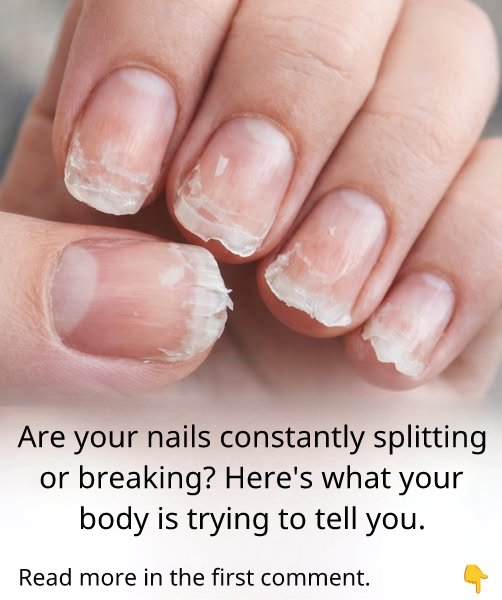
Have you noticed your nails breaking, splitting, or peeling more than usual? Fragile or brittle nails may seem like a small cosmetic issue, but in many cases, they are your body’s quiet way of sending signals about what’s happening internally. Healthy nails are typically smooth, strong, and uniform in color. When they become weak or brittle, it’s worth paying attention—because your nails can reflect your overall health, nutrition, and daily habits.
Let’s break down the most common reasons behind brittle nails and what your body may be trying to tell you.
1. Nutritional Deficiencies: The Most Common Cause
One of the leading causes of brittle nails is nutrient deficiency.
-
Iron deficiency: Nails may become thin, weak, or develop a spoon-like shape (koilonychia). This is often linked to anemia, especially in women.
-
Biotin (Vitamin B7) deficiency: Biotin supports keratin production—the protein that makes up nails. Low levels can lead to splitting and peeling.
-
Protein deficiency: Since nails are made of keratin (a protein), inadequate protein intake can slow nail growth and weaken them.
-
Zinc deficiency: Can cause white spots, slow nail growth, and increased brittleness.
-
Vitamin A, C, and E deficiencies: These vitamins support cell repair, collagen formation, and protection from oxidative damage.
👉 What this means: Your body may not be getting (or absorbing) the nutrients it needs to maintain strong tissues.
2. Dehydration: Dry Body, Dry Nails
Just like your skin and hair, nails need hydration. If you’re not drinking enough water, nails can become dry and brittle.
Signs dehydration may be affecting your nails:
-
Nails break easily
-
Peeling layers at the tips
-
Dull, lifeless appearance
👉 What this means: Your body may be running low on fluids, affecting circulation and nutrient delivery to nail beds.
3. Thyroid Disorders: A Hormonal Red Flag
Brittle nails can be an early sign of thyroid imbalance.
-
Hypothyroidism (underactive thyroid) often causes nails to become dry, brittle, and slow-growing.
-
Hyperthyroidism (overactive thyroid) can also lead to nail weakness and separation from the nail bed.
👉 What this means: Hormones that regulate metabolism and cell growth may be out of balance.
4. Frequent Water and Chemical Exposure
Excessive exposure to water, detergents, and cleaning chemicals can strip nails of their natural oils.
Common culprits include:
-
Frequent hand washing
-
Dishwashing without gloves
-
Harsh soaps, sanitizers, and nail polish removers (especially acetone)
👉 What this means: The nail’s protective barrier is being damaged from the outside, not necessarily from within.
5. Aging: Natural but Manageable
As we age, the body produces less natural oil, and nail growth slows. This makes nails more prone to dryness and breakage.
👉 What this means: Aging is a factor, but proper care and nutrition can significantly reduce its impact.
6. Underlying Health Conditions
Brittle nails can sometimes point to chronic or systemic issues, such as:
-
Anemia
-
Psoriasis (may cause pitting or crumbling nails)
-
Diabetes (poor circulation affects nail health)
-
Fungal infections (thick, discolored, fragile nails)
👉 What this means: Your nails may be reflecting an underlying condition that needs medical attention.
7. Poor Nail Care Habits
Certain habits weaken nails over time:
-
Biting or picking nails
-
Using nails as tools
-
Overuse of artificial nails or gel manicures
-
Skipping base coats when applying polish
👉 What this means: Mechanical stress is damaging the nail structure.
How to Strengthen Brittle Nails Naturally
Here’s what you can do to restore nail health:
1. Improve your diet
-
Eat iron-rich foods (spinach, lentils, red meat)
-
Add biotin-rich foods (eggs, nuts, seeds)
-
Ensure adequate protein intake
-
Include fruits and vegetables for vitamins and antioxidants
2. Stay hydrated
-
Drink enough water daily to support nail and skin hydration
3. Moisturize regularly
-
Apply hand cream or cuticle oil daily, especially after washing hands
4. Protect your nails
-
Wear gloves when cleaning or washing dishes
-
Avoid harsh chemicals and excessive acetone use
5. Give nails a break
-
Take breaks from acrylics, gels, and frequent polishing
When to See a Doctor
If your brittle nails:
-
Persist despite good nutrition and care
-
Are accompanied by fatigue, hair loss, or skin changes
-
Change color, thickness, or shape suddenly
…it’s time to consult a healthcare professional for proper testing and diagnosis.
Final Thoughts
Fragile or brittle nails are more than a beauty concern—they’re a window into your overall health. Whether the cause is nutritional deficiency, dehydration, hormonal imbalance, or daily habits, your nails are asking for attention. Listen to them. Small changes in diet, hydration, and care can make a big difference—and sometimes, they can even help uncover health issues early.
