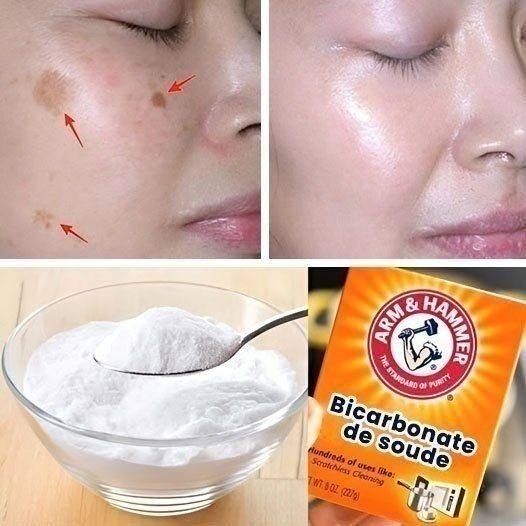
Baking soda (sodium bicarbonate) is a common household ingredient often praised online as a miracle solution for skin problems such as dark spots, wrinkles, and dark circles. While baking soda does have certain properties that may benefit the skin when used very carefully, it is also a highly alkaline substance that can damage the skin barrier if misused. Understanding how it works—and its limitations—is essential before applying it to your face.
This article explains what baking soda can and cannot do, how to use it safely, and better alternatives for long-term skin health.
Why Baking Soda Is Popular in Skincare
Baking soda has three main characteristics that attract skincare enthusiasts:
-
Mild exfoliating ability
Its fine granules can help remove dead skin cells from the surface of the skin. -
Oil-absorbing properties
It can temporarily reduce excess oil, making skin appear smoother. -
pH-altering effect
Baking soda is alkaline, which can neutralize acids—but this is also where risk comes in.
Healthy facial skin has a natural pH of about 4.5–5.5. Baking soda’s pH is around 9, which means frequent or improper use can disrupt the skin barrier, leading to dryness, irritation, and even darker pigmentation over time.
Can Baking Soda Remove Dark Spots?
Dark spots (hyperpigmentation) are usually caused by sun exposure, acne scars, hormonal changes, or aging. Baking soda does not bleach or erase pigment, but gentle exfoliation may help:
-
Remove surface dead skin cells
-
Make the skin look slightly brighter temporarily
-
Allow other skincare products to absorb better
Gentle Baking Soda Exfoliation (Occasional Use Only)
Ingredients:
-
½ teaspoon baking soda
-
1 tablespoon honey or plain yogurt
How to use:
-
Mix into a smooth paste
-
Apply lightly to clean skin
-
Massage gently for no more than 20 seconds
-
Rinse with lukewarm water
-
Apply moisturizer immediately
Frequency: Once every 10–14 days only
⚠️ Overuse can worsen dark spots by causing irritation and inflammation.
Can Baking Soda Reduce Wrinkles?
Wrinkles are caused by:
-
Loss of collagen and elastin
-
Sun damage
-
Dehydration
-
Natural aging
Baking soda cannot reverse wrinkles. However, temporary exfoliation may make skin feel smoother by removing rough, dry surface layers.
What Baking Soda Can Do:
✔ Smooth texture temporarily
✔ Make skin feel softer
✘ Does NOT stimulate collagen
✘ Does NOT erase fine lines
For wrinkles, ingredients like retinol, vitamin C, peptides, and sunscreen are far more effective.
Can Baking Soda Help Dark Circles?
Dark circles are caused by:
-
Thin skin
-
Blood vessel visibility
-
Genetics
-
Fatigue
-
Dehydration
⚠️ Baking soda should NOT be used under the eyes.
The under-eye area is extremely thin and sensitive, and baking soda can cause:
-
Burning
-
Redness
-
Increased darkness
-
Fine lines
Safer Alternatives for Dark Circles:
-
Cold compresses
-
Caffeine-based eye creams
-
Aloe vera gel
-
Vitamin E oil
-
Proper sleep and hydration
Important Safety Guidelines
If you choose to use baking soda on your face, follow these rules strictly:
-
Never use it daily
-
Never leave it on longer than 1 minute
-
Never use near eyes
-
Always moisturize after
-
Stop immediately if burning or redness occurs
-
Avoid if you have sensitive, dry, or acne-prone skin
Dermatologists generally do not recommend baking soda for regular facial care due to its high alkalinity.
Better Natural Alternatives for Skin Concerns
Instead of baking soda, consider gentler, proven options:
For Dark Spots:
-
Aloe vera gel
-
Licorice root extract
-
Vitamin C serum
-
Niacinamide
For Wrinkles:
-
Rosehip oil
-
Retinol (low strength)
-
Hyaluronic acid
-
Sunscreen (most important)
For Dark Circles:
-
Cucumber slices
-
Almond oil
-
Green tea bags
-
Caffeine eye gel
Final Thoughts
Baking soda is not a miracle skincare solution. While it may offer very mild exfoliation when used sparingly and correctly, frequent or improper use can damage your skin, worsen pigmentation, and accelerate aging.
If you decide to use it:
-
Do so rarely
-
Mix it with soothing ingredients
-
Treat it as an occasional exfoliant—not a treatment
For lasting improvement in dark spots, wrinkles, and dark circles, consistent sun protection, hydration, and proven skincare ingredients are far safer and more effective than harsh DIY remedies.
Healthy skin is not about quick fixes—it’s about gentle care, patience, and protection.
