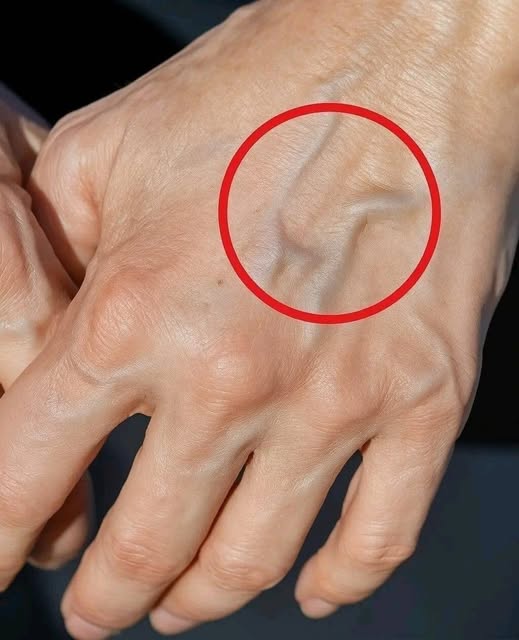
If You Have Visible Veins, It Means You Are… Here’s the Truth Behind What Your Veins Are Telling You
Noticing visible veins on your hands, arms, legs, or even your chest can be surprising—and sometimes worrying. Social media and viral posts often claim that visible veins mean you are unhealthy, aging rapidly, or suffering from a hidden disease. On the flip side, others say visible veins are a sign of strength, fitness, or good circulation. So which is true?
The reality is more balanced and far less alarming. Visible veins can mean many different things depending on your body type, lifestyle, and overall health. Let’s separate myths from facts and explain what visible veins really say about you.
1. You May Have Low Body Fat
One of the most common reasons veins become visible is low subcutaneous fat—the fat that sits just under your skin. Fat acts like insulation, covering veins and making them less noticeable. When body fat levels are lower, veins are closer to the surface and easier to see.
This is why athletes, runners, gym-goers, and physically active people often have prominent veins. In these cases, visible veins are not a problem at all. They simply reflect body composition.
What it means:
✔ Normal
✔ Often linked to fitness
✔ Not dangerous on its own
2. Your Skin May Be Thin or Aging
As we age, our skin naturally becomes thinner and loses collagen and elasticity. This makes veins more noticeable, especially on the hands, arms, and feet. Sun exposure can speed up this process by breaking down collagen in the skin.
Older adults often notice visible veins even without weight loss or major health changes.
What it means:
✔ A normal part of aging
✔ Not usually a medical concern
✔ Sun protection and skincare can help
3. You Could Have Good Blood Circulation
Contrary to popular belief, visible veins are not a sign of poor circulation. In many cases, they indicate that blood is flowing efficiently back to the heart. During exercise or warm weather, veins expand to help regulate body temperature, making them stand out more.
This is why veins often appear more prominent after physical activity or on hot days.
What it means:
✔ Often a sign of healthy circulation
✔ Temporary and normal
✔ More noticeable during heat or exercise
4. Genetics Play a Big Role
Some people are simply born with veins that are closer to the skin’s surface. If your parents or grandparents had visible veins, chances are you will too—regardless of your weight or health habits.
Genetics determine skin thickness, vein size, and how fat is distributed in your body.
What it means:
✔ Inherited trait
✔ Completely normal
✔ Nothing to “fix”
5. Dehydration Can Make Veins Look More Prominent
When you’re dehydrated, your blood volume decreases slightly, which can cause veins to appear more defined. This effect is usually temporary and resolves once you drink enough fluids.
What it means:
✔ Mild dehydration
✔ Easily corrected
✔ Drink more water
6. Hormonal Changes Can Affect Vein Visibility
Hormonal shifts—such as during pregnancy, menopause, or thyroid imbalance—can cause veins to become more noticeable. Estrogen affects blood vessel walls, and changes in hormone levels may lead to vein dilation.
Pregnant women often notice visible veins due to increased blood volume and pressure.
What it means:
✔ Often temporary
✔ Hormone-related
✔ Usually harmless
7. In Some Cases, It Can Signal a Vein Condition
While most visible veins are harmless, bulging, twisted, painful, or swollen veins—especially in the legs—may indicate varicose veins or chronic venous insufficiency. These conditions occur when vein valves weaken and blood pools instead of flowing upward efficiently.
Warning signs to watch for:
-
Pain or aching
-
Swelling
-
Skin discoloration
-
Heaviness in legs
-
Veins that worsen over time
What it means:
⚠ Possible vein issue
⚠ Medical advice recommended
⚠ Treatable with lifestyle changes or medical care
Myths About Visible Veins
Let’s clear up a few common myths:
❌ “Visible veins mean you’re sick”
✔ False. Most of the time, they are completely normal.
❌ “Only men get visible veins”
✔ False. Women get them too—especially with age or fitness.
❌ “Visible veins mean weak blood vessels”
✔ False. Many visible veins are strong and healthy.
When Should You See a Doctor?
You should consult a healthcare professional if visible veins are accompanied by:
-
Pain or burning
-
Sudden swelling
-
Skin ulcers
-
Redness or warmth
-
Rapid changes in appearance
Otherwise, visible veins alone are usually nothing to worry about.
The Bottom Line
If you have visible veins, it doesn’t automatically mean something is wrong with you. In most cases, it means you have low body fat, thin skin, good circulation, genetics at play, or normal age-related changes. Only when veins are painful, swollen, or rapidly changing do they signal a potential health issue.
Your body speaks in many ways—but visible veins are usually just one of its normal, harmless features.
