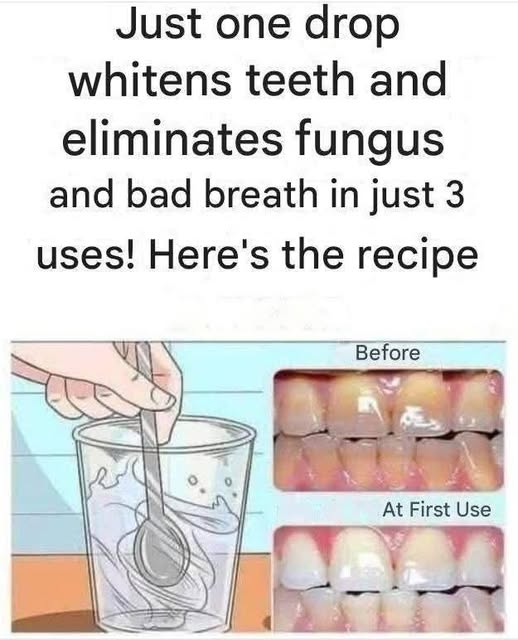
If you’ve been searching Google for “how to remove tartar from teeth naturally,” “teeth whitening at home,” “remove plaque and tartar,” or “natural teeth whitening remedies,” you’re not alone. Millions of people want a brighter smile without expensive dental treatments. But before we dive in, it’s important to separate myths from facts—because when it comes to tartar, honesty protects your teeth and gums.
Let’s explore a safe, simple home-care recipe, what it can and cannot do, and the best dentist-approved ways to keep your teeth white and tartar-free.
What Is Tartar and Why Is It So Hard to Remove?
Tartar (also called dental calculus) forms when plaque hardens on teeth. Plaque is a sticky film of bacteria that builds up daily from food, drinks, and saliva. If plaque isn’t removed within 24–48 hours, it mineralizes and turns into tartar.
Important truth:
👉 Tartar cannot be fully removed at home once it has hardened.
Only a dentist or dental hygienist can safely remove tartar using professional tools.
However, the good news is that you can:
-
Prevent plaque from turning into tartar
-
Reduce surface stains
-
Make teeth appear whiter
-
Improve overall oral hygiene naturally
The Simple Recipe That Helps Prevent Tartar and Whiten Teeth
This natural teeth-cleaning recipe is popular because it uses ingredients found in many homes. It does not replace professional cleaning, but it helps control plaque and surface discoloration.
Ingredients:
-
½ teaspoon baking soda
-
A few drops of fresh lemon juice or water
-
A soft-bristled toothbrush
How to Use:
-
Mix baking soda with enough liquid to form a smooth paste.
-
Gently brush your teeth for 30–60 seconds.
-
Rinse thoroughly with water.
-
Use no more than once per week.
Why This Recipe Works (When Used Correctly)
Baking Soda Benefits for Teeth
-
Neutralizes acids in the mouth
-
Helps loosen plaque
-
Mild abrasive that removes surface stains
-
Leaves teeth looking brighter
Lemon Juice – Use With Caution
-
Contains citric acid that helps break down stains
-
Can weaken enamel if overused
⚠️ Overuse warning: Excessive brushing with baking soda or lemon can damage enamel and increase tooth sensitivity.
What This Recipe Can and Cannot Do
✅ What It Can Do:
-
Reduce plaque buildup
-
Remove surface stains from coffee, tea, and smoking
-
Improve breath freshness
-
Make teeth appear whiter
❌ What It Cannot Do:
-
Remove hardened tartar
-
Replace dental scaling
-
Fix cavities or gum disease
If you see yellow or brown buildup stuck to teeth, that is tartar—and it requires professional care.
Best Natural Ways to Prevent Tartar Buildup (Dentist-Approved)
To truly control tartar and maintain white teeth, consistency matters more than “miracle” remedies.
1. Brush Twice Daily (The Right Way)
Use a fluoride toothpaste and brush for at least 2 minutes, especially along the gum line where tartar forms most.
2. Floss Every Day
Floss removes plaque where toothbrushes can’t reach—between teeth and under the gums.
3. Use an Antiseptic Mouthwash
Mouthwash helps kill bacteria that cause plaque and bad breath.
4. Eat Crunchy Fruits and Vegetables
Apples, carrots, and celery naturally scrub teeth and stimulate saliva production.
5. Limit Sugar and Acidic Drinks
Sugary foods and sodas feed plaque-forming bacteria.
Common Google Search Myths About Tartar Removal
❌ “Scraping tartar with metal tools at home”
This can permanently damage enamel and gums. Never try it.
❌ “Hydrogen peroxide cures tartar”
It may whiten teeth but does not remove tartar and can irritate gums.
❌ “Salt and vinegar remove tartar instantly”
Highly acidic—can erode enamel and worsen sensitivity.
When You Should See a Dentist Immediately
Seek professional care if you notice:
-
Bleeding gums
-
Persistent bad breath
-
Yellow or brown hard deposits on teeth
-
Gum recession or tooth sensitivity
Professional dental cleaning is the only safe way to remove tartar completely.
Final Thoughts: The Truth About Tartar and Whitening
There is no magic home recipe that removes tartar overnight. However, using gentle natural methods like baking soda correctly and occasionally can help control plaque, brighten teeth, and support oral hygiene.
For long-term results:
-
Combine good daily habits
-
Use natural remedies sparingly
-
Get professional cleanings regularly
A healthy smile isn’t about shortcuts—it’s about smart care and consistency.
