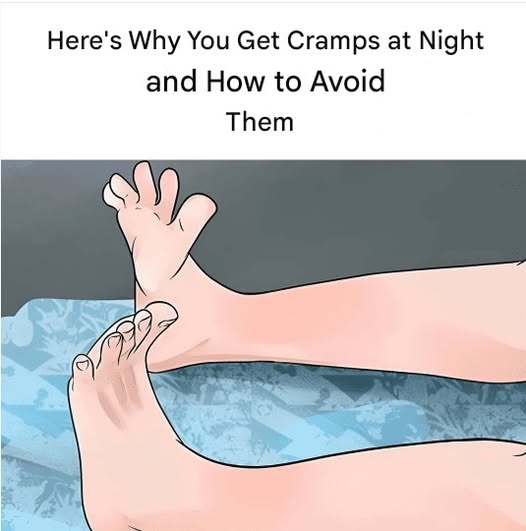
Waking up in the middle of the night with a sudden, sharp pain in your calf, foot, or thigh can be alarming and frustrating. Nighttime leg cramps, medically referred to as nocturnal leg cramps, are involuntary muscle contractions that often strike without warning, disrupting sleep and leaving a lingering soreness the next day. While occasional cramps are common and usually harmless, understanding why they occur can help prevent them and improve overall muscle health.
What Are Nighttime Leg Cramps?
A nighttime leg cramp is an involuntary tightening of the muscle, most commonly affecting the calf (gastrocnemius) or the foot (plantar muscles). These cramps can last anywhere from a few seconds to several minutes and may occur once or multiple times during a single night. Unlike muscle spasms caused by neurological disorders, most nighttime cramps are benign and related to muscle fatigue, positioning, or imbalances in the body’s electrolytes.
Common Causes of Nighttime Cramps
-
Muscle Fatigue and Overuse
One of the most frequent triggers of night cramps is muscle fatigue. People who are physically active during the day—especially those who run, cycle, or perform strenuous leg exercises—may experience cramps as their muscles recover during rest. Overworked muscles can develop temporary electrical instability, making them more prone to involuntary contractions at night. -
Dehydration
Water is essential for proper muscle function. Even mild dehydration can reduce the fluid balance in muscles and impair their ability to relax fully. This can lead to painful contractions. Nighttime cramps are particularly common in hot climates, during pregnancy, or in people who do not consume adequate water throughout the day. -
Electrolyte Imbalances
Minerals like potassium, magnesium, calcium, and sodium play a critical role in muscle contraction and relaxation. A deficiency or imbalance in any of these electrolytes can make muscles more susceptible to cramps. For instance, low magnesium or potassium levels can cause the nerve signals that control muscle movement to become erratic, triggering sudden contractions during sleep. -
Prolonged Sitting or Standing
Spending long hours in one position—either sitting at a desk or standing in place—can affect blood circulation and muscle flexibility. Tight calf muscles, in particular, may shorten over time, and when you lie down at night, the sudden stretch can provoke a cramp. -
Improper Sleeping Position
Certain sleeping positions can exacerbate muscle tension. Pointing your toes downward while lying on your stomach or keeping your legs bent under your body can strain the calves and feet. This makes muscles more likely to spasm involuntarily during deep sleep when your body is fully relaxed. -
Medications
Some medications may contribute to nighttime cramps as a side effect. Diuretics, statins, and certain blood pressure drugs can deplete electrolytes or interfere with muscle metabolism, increasing the likelihood of nocturnal muscle contractions. -
Aging and Muscle Loss
Night cramps are more common in older adults. As we age, muscles naturally lose mass and flexibility, and nerve conduction may slow. These changes can make muscles more irritable and prone to involuntary contractions. -
Underlying Health Conditions
While most night cramps are harmless, persistent or severe cramps can sometimes indicate underlying health issues. Conditions like peripheral artery disease, diabetes, nerve disorders, thyroid imbalances, or kidney problems can increase the frequency or intensity of leg cramps. Pregnant women also report more nighttime cramps due to increased pressure on blood vessels and changes in mineral balance.
Preventing Nighttime Leg Cramps
Although occasional cramps are often unavoidable, there are several strategies to reduce their frequency and severity:
-
Stay Hydrated: Drink plenty of water throughout the day and include fluids with electrolytes, especially after exercise.
-
Stretch Before Bed: Gentle stretching of calves, thighs, and feet before sleeping can relax muscles and improve flexibility.
-
Adjust Sleeping Position: Keep legs straight or slightly elevated to reduce strain on calf muscles. Avoid pointing toes downward for prolonged periods.
-
Massage and Heat Therapy: Massaging the affected muscles or applying a warm compress before bed can increase blood flow and reduce tension.
-
Monitor Mineral Intake: Ensure a balanced diet rich in magnesium, potassium, calcium, and sodium. Foods like bananas, spinach, yogurt, nuts, and seeds can help.
-
Exercise Regularly—but Wisely: Low-impact activities like walking, swimming, or yoga strengthen muscles without overfatiguing them. Avoid sudden high-intensity workouts late in the evening.
-
Check Medications: If cramps persist, review any medications with your doctor to see if they could be contributing.
When to See a Doctor
Occasional nighttime cramps are usually benign, but you should seek medical attention if:
-
Cramps occur very frequently or are extremely painful.
-
They persist for weeks despite lifestyle changes.
-
They are accompanied by swelling, redness, weakness, or numbness.
-
There are signs of underlying health issues, such as diabetes, thyroid problems, or vascular disease.
Conclusion
Nighttime leg cramps are a common and often frustrating experience. While they can result from simple factors like dehydration, muscle fatigue, or sleep positions, they can also indicate nutrient deficiencies or underlying health problems. By understanding the causes and implementing preventive strategies—hydration, stretching, proper sleep posture, and a balanced diet—most people can reduce the frequency and intensity of these painful nocturnal interruptions. Ultimately, a combination of self-care and awareness of bodily signals can ensure your nights remain restful and free of sudden cramps.
