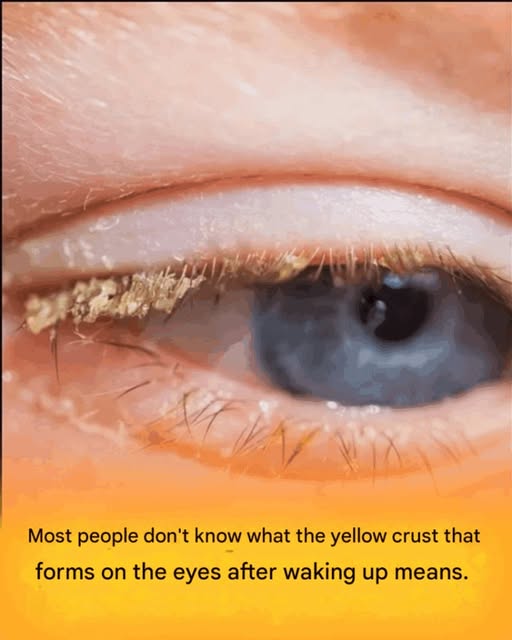
Waking up and noticing a yellow crust on your eyes, lips, nose, or even skin can be surprising—and sometimes worrying. While this symptom is often harmless, it can also be your body’s way of signaling an underlying issue. Understanding what yellow crust is, why it forms overnight, and when to seek medical advice can help you respond appropriately and protect your health.
What Is Yellow Crust?
Yellow crust usually refers to dried secretions that collect on the skin or around body openings while you sleep. These secretions may be made up of mucus, pus, oil, dead skin cells, or tears. During sleep, blinking, swallowing, and wiping stop, allowing fluids to build up and dry into a crust by morning.
The yellow color often suggests the presence of white blood cells, bacteria, or thicker mucus—but this doesn’t always mean something serious is wrong.
Common Areas Where Yellow Crust Appears
-
Eyes (eyelashes or corners)
-
Nose (nostrils)
-
Lips or mouth corners
-
Ears
-
Skin wounds or rashes
Each location can point to different causes.
Yellow Crust Around the Eyes
This is one of the most common complaints.
Possible causes include:
-
Eye Discharge (Sleep or “Eye Boogers”)
Mild yellow crust in the morning can be normal. Your eyes naturally produce mucus and tears that dry overnight. -
Conjunctivitis (Pink Eye)
Thick yellow or green crust that seals the eyes shut may indicate bacterial conjunctivitis. It’s often accompanied by redness, itching, swelling, or sensitivity to light. -
Blepharitis
Inflammation of the eyelids can cause yellow crusting at the lash line, especially in the morning. -
Dry Eye Syndrome
Ironically, dry eyes can lead to excess mucus production, forming crust overnight.
When to worry:
If the crust is persistent, painful, causes blurred vision, or is accompanied by redness and swelling, medical evaluation is recommended.
Yellow Crust in the Nose
Yellow crust inside or around the nostrils often relates to nasal mucus.
Common reasons include:
-
Colds or Sinus Infections
Thick yellow mucus can dry around the nostrils while sleeping. -
Dry Air
Heated or air-conditioned rooms dry nasal passages, causing mucus to thicken and crust. -
Nasal Irritation or Picking
Small wounds inside the nose may ooze fluid that dries into a yellow crust. -
Allergies
Chronic irritation can increase mucus production.
Usually, this is harmless unless accompanied by pain, fever, or facial pressure.
Yellow Crust on Lips or Mouth Corners
This can be uncomfortable and sometimes embarrassing.
Possible causes:
-
Angular Cheilitis
A common condition where saliva collects in mouth corners, leading to infection and yellow crusting. -
Dehydration
Dry lips can crack and ooze fluid overnight. -
Cold Sores (Herpes Simplex Virus)
These may ooze clear or yellow fluid before crusting over. -
Poor Oral Hygiene or Denture Issues
If cracking and crusting persist, antifungal or antibacterial treatment may be needed.
Yellow Crust on the Skin or Wounds
When yellow crust forms on a cut, rash, or sore, it deserves attention.
Potential causes include:
-
Normal Healing
Clear or slightly yellow fluid (serous fluid) can dry as a crust during healing. -
Bacterial Infection
Thick yellow crust, redness, warmth, swelling, or pain may suggest infection (such as impetigo). -
Eczema or Dermatitis
Scratching inflamed skin can lead to weeping and crust formation.
Crust that smells bad, spreads, or worsens should be checked by a healthcare provider.
Is Yellow Crust a Sign of Infection?
Not always. Yellow crust alone does not automatically mean infection. However, infection becomes more likely when crusting is accompanied by:
-
Pain or tenderness
-
Swelling or redness
-
Fever
-
Foul odor
-
Thick pus-like discharge
-
Symptoms that worsen instead of improve
What You Can Do at Home
For mild or occasional yellow crust:
-
Gently clean the area with warm water
-
Use a clean, soft cloth—never scrub harshly
-
Practice good hygiene (handwashing, clean bedding)
-
Stay hydrated
-
Use a humidifier if the air is dry
-
Avoid touching or picking at crusted areas
For eye crusting, warm compresses can help loosen debris safely.
When to See a Doctor
Seek medical advice if:
-
Yellow crust persists for more than a few days
-
It keeps returning frequently
-
You experience pain, vision changes, or fever
-
The crust spreads or becomes thick and foul-smelling
-
A wound shows signs of infection
Early evaluation can prevent complications and ensure proper treatment.
Final Thoughts
Yellow crust when waking up is often a normal result of your body’s overnight processes. In many cases, it’s harmless and temporary. However, persistent or worsening crust—especially when paired with other symptoms—can signal infection or inflammation that needs attention.
Listening to your body, maintaining good hygiene, and knowing when to seek help are the keys to staying healthy. If in doubt, it’s always wise to consult a healthcare professional for peace of mind.
