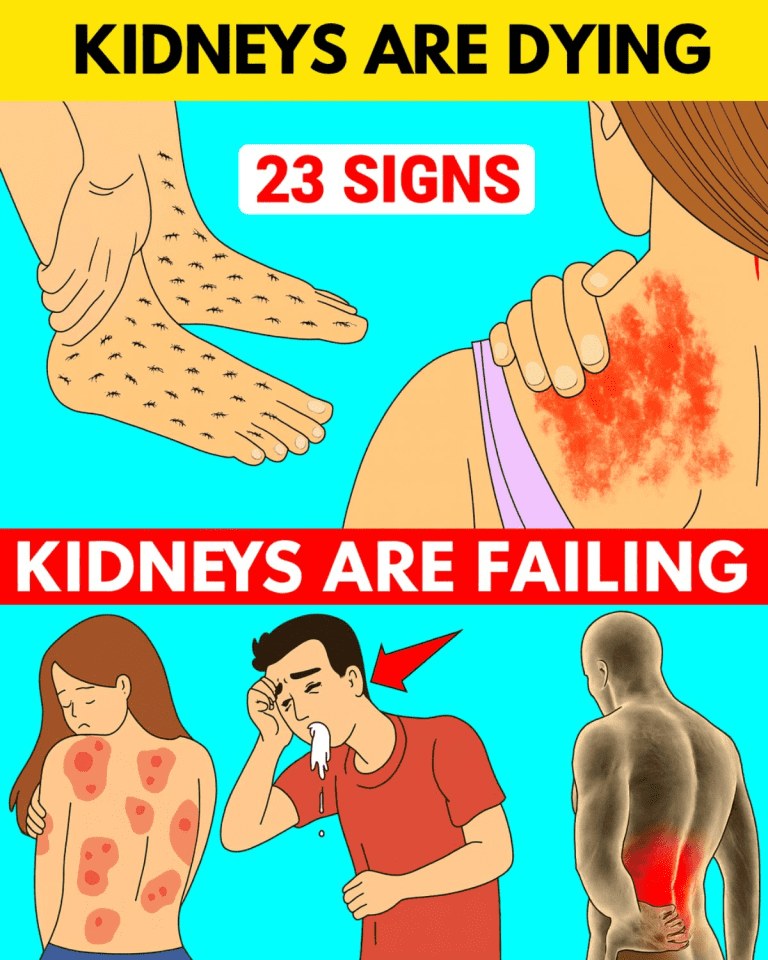
Your kidneys are small, bean-shaped organs, but they play a massive role in keeping your body healthy. They filter waste from your blood, balance fluids, regulate blood pressure, and help produce red blood cells. Because kidneys work quietly in the background, problems often develop slowly and without obvious warning. Surprisingly, kidney trouble can show up in strange and unexpected ways—far beyond pain in the lower back.
Here are 23 unusual signs that may indicate your kidneys are under stress and need medical attention.
1. Constant Fatigue
When kidneys fail to filter toxins properly, waste builds up in the blood, making you feel exhausted even after rest.
2. Foamy or Bubbly Urine
Excess foam can be a sign of protein leakage in urine, often linked to kidney damage.
3. Swelling in Feet, Ankles, or Face
Kidneys regulate fluid balance. When they struggle, fluid may accumulate in extremities and around the eyes.
4. Changes in Urination Frequency
Urinating more often at night—or much less than usual—can be an early warning sign.
5. Dark, Cloudy, or Bloody Urine
Healthy urine is pale yellow. Dark or reddish urine may indicate infection, stones, or kidney disease.
6. Persistent Itching
A buildup of waste products in the blood can cause intense and unexplained itching.
7. Metallic Taste in the Mouth
Toxin accumulation may alter taste, making food seem bitter or metallic.
8. Loss of Appetite
Kidney dysfunction often leads to nausea or a general disinterest in food.
9. Trouble Concentrating
Poor kidney function can reduce oxygen delivery to the brain, causing brain fog and difficulty focusing.
10. Shortness of Breath
Excess fluid can build up in the lungs, or anemia related to kidney disease may limit oxygen levels.
11. Muscle Cramps
Electrolyte imbalances—especially low calcium or potassium—can trigger cramps.
12. Dry or Flaky Skin
Kidneys help maintain mineral balance. When they fail, skin may become dry and irritated.
13. High Blood Pressure
Kidney disease and high blood pressure are closely linked, often worsening each other.
14. Puffy Eyes
Protein loss in urine may cause fluid retention around the eyes, especially noticeable in the morning.
15. Back or Side Pain
Pain near the lower ribs or sides may indicate kidney infection or stones.
16. Frequent Urinary Infections
Recurring UTIs may point to an underlying kidney issue.
17. Nausea and Vomiting
As toxins accumulate, digestive symptoms often appear.
18. Cold Sensitivity
Anemia caused by kidney disease can make you feel cold even in warm environments.
19. Ammonia-Like Breath
Waste buildup can cause breath to smell like ammonia or urine.
20. Difficulty Sleeping
Restless legs, muscle cramps, or toxin buildup can interfere with sleep.
21. Sudden Weight Changes
Fluid retention may cause rapid weight gain, while appetite loss can lead to weight loss.
22. Dizziness or Lightheadedness
Reduced red blood cell production can lead to poor circulation and dizziness.
23. Feeling Unwell Without a Clear Cause
General malaise, weakness, or a sense that “something isn’t right” can be an early but overlooked sign.
Why Early Detection Matters
Kidney disease often progresses silently. By the time severe symptoms appear, significant damage may already be done. Early detection allows for lifestyle changes, medication, and monitoring that can slow or even stop disease progression.
What You Should Do
If you notice several of these signs—especially changes in urine, swelling, or persistent fatigue—don’t ignore them. A simple blood test, urine test, or blood pressure check can provide valuable insight into kidney health.
Protecting Your Kidneys
-
Stay well hydrated
-
Control blood pressure and blood sugar
-
Limit excess salt and processed foods
-
Avoid unnecessary painkiller overuse
-
Get regular health checkups
