Old Fashioned Goulash

Old Fashioned Goulash is a classic, budget-friendly comfort dish that has been loved for generations. Unlike Hungarian goulash, the American version is a simple one-pot meal made with ground beef, elbow macaroni, tomatoes, and flavorful seasonings. It’s warm, filling, and perfect for busy weeknights or family dinners when you want something satisfying without complicated steps.

This recipe is rich, savory, and easy to customize. It’s also a great meal-prep option because it reheats beautifully.

Ingredients

To make a traditional Old Fashioned Goulash, you will need:

  • 1 lb (450 g) ground beef
  • 1 medium onion, finely chopped
  • 3–4 cloves garlic, minced
  • 1 green bell pepper, chopped (optional but recommended)
  • 2 cups elbow macaroni (uncooked)
  • 1 can (15 oz) tomato sauce
  • 1 can (14.5 oz) diced tomatoes (with juice)
  • 2 cups beef broth or water
  • 1 tablespoon Worcestershire sauce
  • 1 teaspoon paprika
  • 1 teaspoon dried oregano
  • 1 teaspoon dried basil
  • 1/2 teaspoon black pepper
  • 1 teaspoon salt (adjust to taste)
  • 1/2 teaspoon chili flakes (optional for mild heat)
  • 1 bay leaf (optional for depth of flavor)
  • 1 tablespoon olive oil (if needed for sautéing)

Optional toppings:

  • Grated cheddar cheese
  • Fresh parsley
  • Red pepper flakes
  • Step-by-Step Instructions

    Step 1: Brown the Beef

    Start by heating a large deep skillet or pot over medium heat. Add the ground beef and cook until it begins to brown. Use a spatula to break it apart so it cooks evenly.

    If your beef releases a lot of fat, carefully drain the excess oil, but leave a little for flavor. This step is important because properly browned beef builds the base flavor of the entire dish.

    Step 2: Add Aromatics

    Once the beef is browned, add chopped onions, garlic, and green bell pepper (if using). Sauté for 3–5 minutes until the vegetables soften and become fragrant.

    This combination gives the goulash its classic homemade aroma and depth. The onions add sweetness, the garlic brings richness, and the bell pepper adds a mild freshness.

    Step 3: Add Seasonings

    Now stir in paprika, oregano, basil, black pepper, salt, and chili flakes if you like a little heat. Mix everything well so the spices coat the meat and vegetables evenly.

    At this stage, the aroma should become stronger and more inviting. This is the foundation of the goulash flavor.

    Step 4: Add Tomatoes and Liquid

    Pour in the tomato sauce and diced tomatoes along with their juice. Add Worcestershire sauce and beef broth (or water).

    Stir everything together thoroughly. If you’re using a bay leaf, add it now.

    Bring the mixture to a gentle boil, then reduce the heat to low. Let it simmer for about 10–15 minutes so the flavors can blend together.

    Step 5: Add Macaroni

    Add uncooked elbow macaroni directly into the pot. Stir well so the pasta is fully submerged in the liquid.

    Cover the pot and let it simmer for about 12–15 minutes, stirring occasionally to prevent sticking. The pasta will cook directly in the sauce, absorbing all the rich flavors.

    If the mixture becomes too thick, add a small splash of water or broth.

    Step 6: Check Texture and Seasoning

    Once the macaroni is tender, remove the bay leaf (if used). Taste the goulash and adjust seasoning if needed—add more salt, pepper, or herbs depending on your preference.

    At this point, the dish should be thick, saucy, and well combined.

    Step 7: Rest and Serve

    Turn off the heat and let the goulash rest for 5 minutes. This helps the sauce thicken slightly and allows flavors to settle.

    Serve warm in bowls and top with shredded cheddar cheese or fresh parsley if desired.

    Tips for the Best Old Fashioned Goulash

    • Don’t overcook the pasta: Keep an eye on it so it stays tender but not mushy.
    • Use good quality tomatoes: They significantly impact flavor.
    • Let it simmer: The longer it simmers (within reason), the deeper the flavor.
    • Make it cheesy: Stir in shredded cheese at the end for a creamy version.
    • Add vegetables: Mushrooms, carrots, or zucchini can be added for extra nutrition.

    Variations

    1. Cheesy Goulash

    Stir in 1–2 cups of shredded cheddar cheese at the end for a creamy, rich texture.

    2. Spicy Goulash

    Add cayenne pepper, jalapeños, or extra chili flakes for heat lovers.

    3. Healthy Version

    Use ground turkey or chicken instead of beef and add extra vegetables like spinach or zucchini.

    4. Slow Cooker Version

    Brown the beef first, then add everything except pasta to a slow cooker. Cook on low for 6–7 hours. Add cooked pasta at the end.

    Storage and Reheating

    Old Fashioned Goulash stores very well:

    • Refrigerator: Store in an airtight container for up to 4 days.
    • Freezer: Freeze for up to 2 months.
    • Reheating: Warm on stove or microwave with a splash of water or broth to restore moisture.

    Final Thoughts

    Old Fashioned Goulash is the perfect example of simple ingredients coming together to create something deeply comforting. It’s affordable, filling, and versatile enough to suit almost any taste. Whether you’re cooking for your family or meal prepping for the week, this dish delivers warmth and satisfaction in every bite.

why people put an envelope in the freezer

In recent years, a curious household tip has circulated online: placing an envelope in the freezer. At first glance, the idea sounds strange, even pointless. However, like many unconventional hacks, it stems from a mix of practicality, myth, and occasional real-world usefulness. Understanding why people do this requires looking at a few different motivations behind the trend.

One of the most common reasons people put an envelope in the freezer is to deal with stuck or sealed contents. Sometimes, envelopes—especially those containing glued or adhesive flaps—can be difficult to open without tearing the paper. By placing the envelope in the freezer for a few hours, the adhesive can become brittle. This makes it easier to open the envelope cleanly without damaging what’s inside. This method is often mentioned in contexts like carefully opening important mail, collectibles, or even resealed documents.

Another reason relates to pest control. In some cases, people freeze envelopes or important paper items to kill insects or their eggs. This is particularly relevant for collectors of stamps, old letters, or documents. Paper can attract pests like silverfish or tiny mites, and freezing is a chemical-free way to eliminate them. Museums and archivists sometimes use controlled freezing techniques to preserve delicate materials, though their methods are far more precise than simply placing something in a home freezer.

There is also a digital-age twist to this habit. Some individuals freeze envelopes that contain sensitive information, such as passwords, backup codes, or written financial details. The freezer acts as an unconventional “safe”—a place where others are unlikely to look. While this might sound clever, it is not a highly secure method compared to modern encryption or proper safes. Still, it reflects a broader human tendency to hide valuable items in unexpected places.

In addition, the idea has been fueled by internet myths and viral “life hacks.” Social media platforms often amplify unusual tricks without always verifying their usefulness. As a result, some people try freezing envelopes simply out of curiosity or because they saw it recommended online. In many cases, the benefits are exaggerated, and the method may not work as effectively as claimed.

It’s also worth noting that freezing paper can have downsides. Moisture in the freezer can cause condensation when the envelope is removed, potentially damaging ink or weakening the paper. For important documents, this risk can outweigh any potential benefit. That’s why professionals handling archives use specialized equipment rather than standard kitchen freezers.

In conclusion, putting an envelope in the freezer is a practice rooted in a mix of practical tricks, preservation techniques, and internet folklore. While it can sometimes help with opening sealed envelopes or eliminating pests, it is not always necessary or risk-free. Like many household hacks, its effectiveness depends on the situation—and a bit of common sense.

Orange Slice Candies with Powdered Sugar and Pecans

There’s something wonderfully old-fashioned about homemade candies—especially the kind that start with real fruit. Orange Slice Candies with Powdered Sugar and Pecans are a charming treat that feels like it came straight out of a grandmother’s candy jar. They’re chewy, sweet, lightly tangy, and finished with a soft powdered-sugar coating and crunchy pecans that balance everything perfectly.

This recipe is simple, requires no fancy equipment, and fills your kitchen with the fresh, comforting scent of oranges and sugar. Whether you serve them during the holidays, give them as edible gifts, or keep a small bowl on the table for guests, these candies always feel special.


Why You’ll Love This Recipe

  • Real orange flavor from fresh oranges, not artificial extracts

  • No baking required, just stovetop cooking

  • Naturally beautiful slices that look impressive but are easy to make

  • Perfect texture: chewy centers with a soft sugar coating

  • Customizable with different nuts or citrus fruits


Ingredients (Makes about 25–30 candies)

  • 3 large oranges (preferably seedless)

  • 2 cups granulated sugar

  • 1 cup water

  • 1 tablespoon lemon juice (enhances flavor and color)

  • 1 cup powdered sugar (for coating)

  • ¾ cup pecans, finely chopped

  • Optional: ½ teaspoon vanilla extract or orange zest for extra aroma


Step-by-Step Instructions

1. Prepare the Oranges

Wash the oranges thoroughly, since the peel is used. Slice them into thin rounds, about ¼ inch thick. If the slices are too thick, they’ll take longer to candy; too thin, and they may fall apart. Remove any visible seeds.

2. Make the Sugar Syrup

In a wide saucepan, combine the granulated sugar and water. Bring to a gentle boil over medium heat, stirring until the sugar completely dissolves. Add the lemon juice to help prevent crystallization and keep the color bright.

3. Simmer the Orange Slices

Carefully place the orange slices into the syrup in a single layer. Reduce the heat to low and let them simmer gently for 45–60 minutes. Turn the slices occasionally so they absorb the syrup evenly. The rinds should become translucent, and the syrup slightly thickened.

Patience is key here—slow simmering gives you that classic chewy candy texture.

4. Cool and Set

Using tongs or a slotted spoon, remove the orange slices and place them on a wire rack or parchment paper. Let them cool for about 30 minutes, until they’re no longer sticky to the touch but still soft.

5. Coat with Powdered Sugar

Place powdered sugar in a shallow bowl. Gently toss each orange slice in the sugar, coating both sides. This step keeps the candies from sticking and gives them that signature snowy finish.

6. Add the Pecans

While the sugar coating is still fresh, sprinkle chopped pecans over the slices, pressing lightly so they adhere. You can coat one side only for a cleaner look or both sides for extra crunch.

7. Final Drying

Let the candies sit at room temperature for another 1–2 hours to fully set. They should feel soft but not wet.

Tips for Perfect Orange Slice Candies

  • Choose firm oranges with smooth skins for the best slices

  • Don’t rush the simmering—low heat prevents bitterness

  • Use fresh powdered sugar, not clumpy, for an even coating

  • Chop pecans finely so they stick well and don’t overpower the orange

  • https://millerpecancompany.com/cdn/shop/files/SunriseOrangeSlices.jpg?v=1735590491&width=1445Variations to Try
  • Chocolate-dipped: Dip half of each candy in melted dark chocolate

  • Spiced version: Add a pinch of cinnamon or cardamom to the powdered sugar

  • Mixed citrus: Use lemons or blood oranges for color and flavor contrast

  • Nut swap: Walnuts or pistachios work beautifully too


Storage and Shelf Life

Store your orange slice candies in an airtight container, layered with parchment paper. Keep them in a cool, dry place for up to 10 days, or refrigerate for up to 3 weeks. They also freeze well—just thaw at room temperature before serving.


A Sweet Little Tradition

Orange Slice Candies with Powdered Sugar and Pecans are more than just a dessert—they’re a reminder that simple ingredients can create something truly memorable. The balance of citrus brightness, gentle sweetness, and nutty crunch makes them irresistible, one slice at a time.

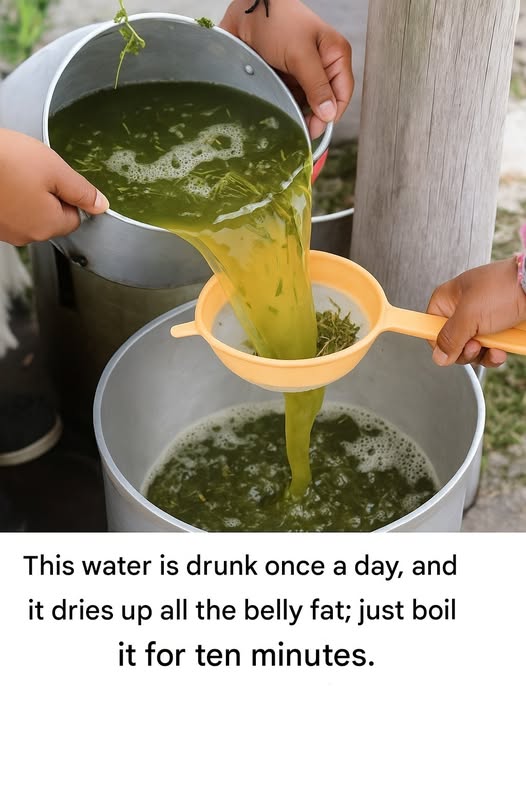
This water is drunk once a day and dries up all the fat in your belly. Just boil it for 10 minutes

Belly fat is one of the most stubborn and frustrating problems many people face. No matter how much you diet or exercise, the fat around the waist often refuses to budge. That’s why natural remedies that are simple, affordable, and easy to prepare continue to gain attention. One such remedy is a special boiled water drink, consumed once a day, that may help support fat loss—especially around the belly—when combined with healthy habits.

Let’s be clear from the start: no drink magically “burns” fat overnight. But this 10-minute boiled water can help boost digestion, reduce bloating, support metabolism, and encourage your body to burn fat more efficiently over time.

The Simple Ingredients

This recipe uses ingredients that are already in most kitchens:

  • 1 glass of water (250 ml)

  • 1 teaspoon cumin seeds (jeera)

  • ½ teaspoon grated ginger (optional but powerful)

  • A few drops of lemon juice (optional, added after boiling)

That’s it. No chemicals, no expensive supplements, no complicated steps.

How to Prepare It (10 Minutes Only)

  1. Add the cumin seeds to one glass of water

  2. Bring it to a boil

  3. Let it boil gently for 10 minutes

  4. Turn off the heat and let it cool slightly

  5. Strain the water

  6. Add ginger or lemon if desired

Drink it warm, once a day.

When Should You Drink It?

For best results, drink this water:

  • Early in the morning on an empty stomach, or

  • At night before bed, at least 2 hours after dinner

Choose one time and stay consistent.

Why This Water Helps With Belly Fat

1. Boosts Metabolism Naturally

Cumin seeds are well known for supporting metabolism. A faster metabolism means your body burns more calories—even at rest. When metabolism improves, the body is less likely to store excess fat, especially around the abdomen.

2. Reduces Bloating and Water Retention

Many people mistake bloating for fat. This drink helps reduce gas, indigestion, and water retention, making the belly look flatter within days.

3. Improves Digestion

Poor digestion often leads to weight gain and stubborn belly fat. Boiled cumin water stimulates digestive enzymes, helping your body break down food more efficiently and preventing fat buildup.

4. Controls Appetite and Cravings

Drinking this water regularly may help control sudden hunger and sugar cravings. When cravings decrease, calorie intake naturally drops.

5. Supports Fat Breakdown

Ginger, if added, contains compounds that may encourage the body to use stored fat for energy. Over time, this supports gradual fat loss.

What Results Can You Expect?

If consumed daily and combined with:

  • Light exercise (walking, stretching)

  • Reduced sugar and fried foods

  • Adequate water intake

You may notice:

  • Reduced bloating within 3–5 days

  • A flatter stomach appearance in 1–2 weeks

  • Gradual reduction in belly fat over several weeks

Consistency is the key.

Important Truth You Should Know

This drink does not replace:

  • A balanced diet

  • Physical activity

  • Proper sleep

It works as a supporting tool, not a miracle cure. Anyone claiming instant fat loss is exaggerating.

Who Should Avoid This Drink?

Avoid or consult a doctor if you:

  • Have severe acidity or ulcers

  • Are pregnant

  • Have gallbladder issues

  • Are on medication that affects digestion

Moderation is always important.

Extra Tips to Boost Results

  • Avoid sugar, soda, and white bread

  • Eat more vegetables and protein

  • Walk at least 20 minutes daily

  • Sleep 7–8 hours per night

These small habits dramatically improve results.

Final Thoughts

This simple boiled water drink isn’t magic—but it is powerful when used correctly. It supports digestion, reduces bloating, and helps your body move toward a healthier weight naturally. The biggest advantage? It’s cheap, safe, and easy to make at home.

Drink it once a day, stay consistent, and let your body do the rest.

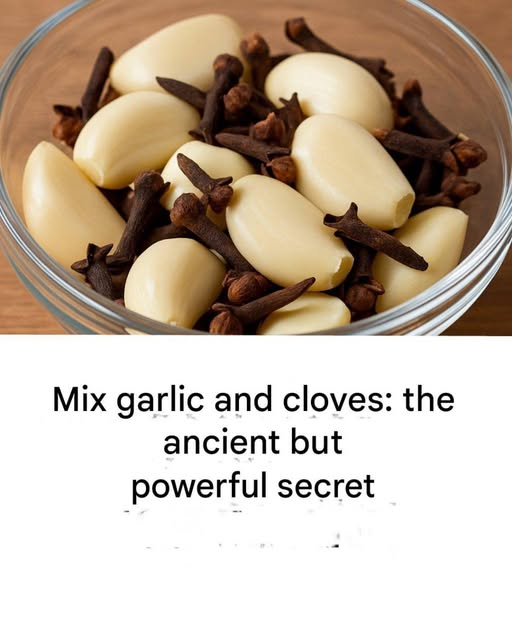
Mix Garlic and Cloves: It’s a Secret No One Will Ever Tell You

Some natural combinations have been passed down quietly through generations—shared in kitchens, whispered by grandparents, and used long before modern medicine existed. One such powerful duo is garlic and cloves. On their own, they’re already famous in traditional remedies. But when mixed together, they create a synergy that many people still underestimate.

Why is this combination so rarely talked about? Because it doesn’t come in a pill bottle, doesn’t need a prescription, and doesn’t make anyone rich. Yet cultures across Asia, the Middle East, and parts of Africa have relied on garlic and cloves for centuries for daily wellness and protection.

Let’s uncover what makes this mixture so special.


Garlic: Nature’s Sharp Protector

Garlic has earned its reputation as one of the most respected natural ingredients in the world. It contains sulfur compounds—especially allicin, released when garlic is crushed—that are known for their protective and cleansing properties.

Traditionally, garlic has been used to:

  • Support the body’s natural defenses

  • Promote healthy circulation

  • Help the body fight off unwanted microbes

  • Support digestion and gut balance

Ancient civilizations believed garlic “purified” the body. Even today, many cultures consume raw garlic regularly, especially during seasonal changes.


Cloves: The Forgotten Power Spice

Cloves may be small, but they are incredibly concentrated. Rich in eugenol, cloves have long been used in traditional medicine systems for their warming, soothing, and protective qualities.

Historically, cloves were used to:

  • Support oral and dental health

  • Calm digestion and reduce bloating

  • Freshen breath naturally

  • Provide antioxidant protection

In ancient times, cloves were so valuable they were traded like gold. Yet today, many people only associate them with baking.


Why Mixing Garlic and Cloves Changes Everything

When garlic and cloves are combined, their natural compounds complement each other beautifully. Garlic is sharp, penetrating, and activating. Cloves are warming, grounding, and stabilizing. Together, they create balance.

Traditional practitioners believed this mixture:

  • Strengthens the body from within

  • Helps cleanse the system naturally

  • Supports digestion after heavy meals

  • Encourages overall vitality

This is not about instant miracles—it’s about consistent, gentle support for the body over time.


Traditional Ways People Use Garlic and Cloves

Across different cultures, this combination appears in simple preparations:

1. Garlic and Clove Infusion
Crushed garlic cloves and whole cloves steeped in warm water, often taken in small amounts.

2. Honey-Based Mix
Garlic and cloves soaked in raw honey and consumed occasionally, especially during colder months.

3. Culinary Use
Added to soups, broths, and stews—not just for flavor, but for their traditional protective value.

These methods focus on moderation, not excess.


Why You Rarely Hear About This “Secret”

The truth is simple:
Natural remedies don’t generate headlines, sponsorships, or profits. They require patience and consistency, not hype.

Modern life pushes quick fixes, while traditional combinations like garlic and cloves work quietly in the background. They don’t promise instant transformation—but they support the body in ways people once deeply respected.

That’s why many elders still say: “Use food before you need medicine.”


Important Notes Before Trying It

While garlic and cloves are natural, they are also potent:

  • Start with very small amounts

  • Avoid on an empty stomach if you’re sensitive

  • Do not overconsume

  • If you’re pregnant or on medication, consult a professional

Natural does not mean careless.


The Real Takeaway

Mixing garlic and cloves isn’t magic. It’s wisdom—old, quiet, and steady. It reminds us that some of the most powerful habits don’t come from laboratories, but from kitchens.

In a world obsessed with the next breakthrough, this humble combination continues doing what it has always done: supporting the body gently, naturally, and consistently.

Beetroot juice kills cancer cells in 42 days

Beetroot juice is rich in betalains, nitrates, polyphenols, vitamin C, folate, iron, and potassium. These nutrients play essential roles in cellular protection, oxygen delivery, and inflammation control.

The deep red color of beetroot comes from betalains, potent antioxidants known for their anti-inflammatory and detoxifying properties. Antioxidants help neutralize free radicals—unstable molecules that can damage DNA and contribute to cancer development over time.

What Research Shows About Beetroot and Cancer Cells

Laboratory studies (in test tubes and animal models) have shown that beetroot extracts can:

  • Slow the growth of certain cancer cells

  • Trigger apoptosis (programmed cell death) in damaged cells

  • Reduce oxidative stress that contributes to tumor progression

However, these effects do not mean beetroot juice cures cancer in humans. Clinical trials in people are limited, and cancer is far too complex to be eliminated by a single food or drink.

What beetroot juice may do is help create an internal environment that is less favorable to cancer growth.

Why the “42 Days” Claim Exists

The idea of 42 days likely comes from observations that cellular markers such as inflammation, blood flow, and antioxidant levels can improve within 4–6 weeks of consistent dietary changes. Drinking beetroot juice daily for about 40 days may:

  • Improve oxygen delivery to tissues

  • Enhance liver detoxification pathways

  • Support immune cell activity

  • Reduce chronic inflammation

These changes support overall health, which is critical for people undergoing cancer treatment—but they do not replace chemotherapy, radiation, or surgery.

Beetroot Juice and Detoxification

Beetroot supports the liver, the body’s main detox organ. A well-functioning liver helps process toxins, hormones, and waste products that could otherwise contribute to cellular damage.

Compounds in beetroot stimulate phase II liver enzymes, which help neutralize harmful substances. This detox support is one reason beetroot juice is often recommended for people recovering from illness or supporting long-term health.

Immune System Support Matters

Cancer progression is closely tied to immune function. Beetroot juice provides nutrients that:

  • Support white blood cell activity

  • Improve circulation, allowing immune cells to move efficiently

  • Reduce inflammation that weakens immune responses

A stronger immune system helps the body recognize and control abnormal cells more effectively.

Benefits for Cancer Patients (With Medical Care)

For individuals undergoing cancer treatment, beetroot juice may help:

  • Reduce fatigue by improving blood oxygenation

  • Support appetite and digestion

  • Improve cardiovascular health

  • Counteract treatment-related inflammation

Doctors often emphasize nutrition as a supportive therapy, not a cure. Beetroot juice fits into this supportive role when approved by a healthcare provider.

How to Drink Beetroot Juice Safely

If you choose to include beetroot juice in your routine:

  • Limit to ½–1 cup per day

  • Drink fresh or cold-pressed juice

  • Combine with carrot, apple, or ginger to improve taste and digestion

  • Avoid excessive intake if you have kidney stones due to oxalates

Always consult a doctor if you are on medication or cancer treatment.

The Bottom Line

Beetroot juice does not kill cancer cells in 42 days. But it can support the body’s natural defense systems, reduce inflammation, improve circulation, and contribute to overall wellness when consumed consistently.

True cancer care requires medical treatment, early detection, and professional guidance. Natural foods like beetroot juice work best as allies, not miracle cures.

When it comes to health, the real power lies not in viral promises—but in informed, balanced choices made over time 💡

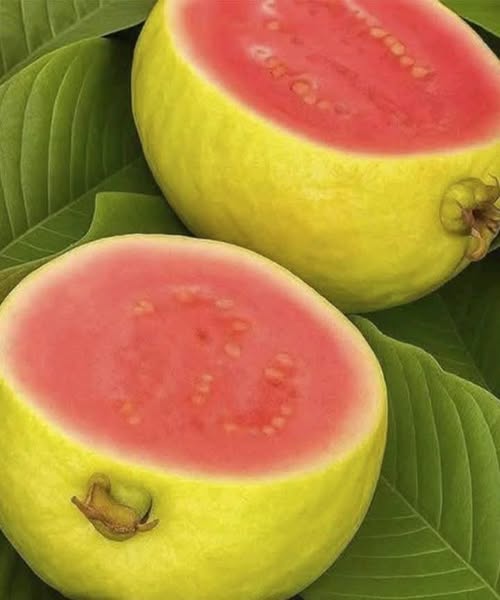
Doctors reveal that guava consumption causes

Doctors Reveal What Guava Consumption Causes in the Body

Guava is often called a superfruit, yet many people still underestimate what happens when they eat it regularly. According to doctors and nutrition experts, guava consumption causes powerful changes in the body, affecting digestion, immunity, blood sugar, heart health, and even skin appearance. Packed with vitamins, antioxidants, and fiber, guava is more than just a tasty tropical fruit—it’s a nutritional powerhouse.

So what exactly does guava consumption cause? Let’s break it down based on medical insights and nutritional science.

1. Guava Consumption Causes a Stronger Immune System

Doctors agree that one of the most noticeable effects of eating guava is immune system support. Guava contains up to four times more vitamin C than oranges, making it one of the richest natural sources of this immune-boosting nutrient.

Vitamin C helps:

  • Strengthen white blood cells

  • Protect against infections

  • Reduce the severity and duration of colds

  • Improve wound healing

Regular guava consumption causes the body to better defend itself against viruses, bacteria, and seasonal illnesses.

2. Improves Digestion and Gut Health

Another well-documented effect doctors highlight is digestive improvement. Guava consumption causes smoother digestion due to its high fiber content.

Health benefits include:

  • Prevention of constipation

  • Improved bowel movements

  • Better gut bacteria balance

  • Reduced bloating

Guava seeds also act as mild natural laxatives when consumed in moderation. Nutritionists often recommend guava for people struggling with slow digestion or irregular bowel habits.

3. Helps Regulate Blood Sugar Levels

One of the most surprising medical findings is that guava consumption causes improved blood sugar control, especially when eaten without the peel or consumed as guava leaf tea.

Doctors note that guava:

  • Has a low glycemic index

  • Slows sugar absorption in the bloodstream

  • Helps reduce insulin spikes

This makes guava a smart fruit choice for people with type 2 diabetes or insulin resistance, when eaten in appropriate portions.

4. Supports Heart Health

Cardiologists point out that regular guava consumption causes positive effects on heart health. Guava is rich in potassium and soluble fiber, both of which play a key role in cardiovascular wellness.

Medical benefits include:

  • Lowering bad (LDL) cholesterol

  • Increasing good (HDL) cholesterol

  • Helping regulate blood pressure

  • Improving blood vessel function

Studies suggest that people who eat guava frequently may reduce their risk of heart disease over time.

5. Promotes Healthy, Glowing Skin

Dermatologists confirm that guava consumption causes visible skin benefits. The fruit is loaded with antioxidants like lycopene, vitamin A, and vitamin C, which fight oxidative stress and slow premature aging.

Guava helps:

  • Reduce wrinkles and fine lines

  • Improve skin elasticity

  • Protect against sun damage

  • Promote collagen production

Some doctors even recommend guava as part of an anti-aging diet.

6. Aids Weight Management

If you’re trying to lose or maintain weight, doctors say guava consumption causes increased satiety, meaning you feel full longer.

Why guava helps with weight control:

  • Low in calories

  • High in fiber

  • Naturally sweet without added sugar

Eating guava as a snack can reduce cravings and prevent overeating, making it ideal for healthy weight management plans.

7. Supports Brain Function and Mental Health

Neurologists and nutrition experts highlight that guava consumption causes improved nerve and brain function due to its vitamin B6 content.

Vitamin B6 helps:

  • Support neurotransmitter production

  • Improve mood

  • Reduce stress and fatigue

  • Support cognitive performance

Regular intake may help maintain mental clarity, especially in older adults.

8. May Reduce Inflammation in the Body

Doctors also observe that guava consumption causes a reduction in chronic inflammation, thanks to its antioxidant and anti-inflammatory compounds.

Lower inflammation is linked to:

  • Reduced joint pain

  • Better metabolic health

  • Lower risk of chronic diseases

This makes guava a beneficial fruit for people dealing with inflammatory conditions.

Are There Any Side Effects?

While guava is generally safe, doctors caution that excessive guava consumption can cause digestive discomfort, such as bloating or diarrhea, due to its high fiber content. Moderation is key—one medium guava per day is usually ideal.

People with sensitive digestion should avoid eating too many seeds at once.

Final Thoughts

Doctors agree that guava consumption causes multiple positive health effects when included as part of a balanced diet. From boosting immunity and improving digestion to supporting heart health and glowing skin, guava truly earns its reputation as a superfruit.

Simple, affordable, and packed with nutrients, guava proves that powerful health benefits don’t always come from expensive supplements—sometimes, they come straight from nature.

10 Foods to Avoid to Get the Flat Stomach You’ve Always Dreamed Of

Achieving a flat stomach isn’t just about doing endless crunches or following extreme diets. What you eat daily plays a huge role in belly fat, bloating, and digestive health. Many people unknowingly consume foods that sabotage their efforts, leading to stubborn abdominal fat and constant bloating.

If you’re serious about losing belly fat, reducing bloating, and finally getting a slim, flat stomach, avoiding the following foods can make a noticeable difference—often faster than exercise alone.

Below are the 10 worst foods to avoid for a flat stomach, backed by nutrition science and common weight-loss insights.

1. Sugary Drinks

Sodas, sweetened juices, energy drinks, and flavored coffees are loaded with added sugar, especially high-fructose corn syrup. These drinks spike insulin levels, encourage fat storage around the abdomen, and increase bloating.

Why avoid them?
Liquid calories don’t make you feel full, so you consume more without realizing it—leading to weight gain and belly fat.

Better option: Water, lemon water, green tea, or unsweetened herbal tea.

2. White Bread and Refined Carbs

White bread, white rice, pastries, and processed cereals are stripped of fiber and nutrients. They digest quickly, causing blood sugar spikes and crashes that promote fat storage.

Problem: Refined carbs increase abdominal fat and slow digestion, leading to bloating.

Swap with: Whole grains like oats, quinoa, and whole-wheat bread.

3. Fried Foods

French fries, fried chicken, samosas, and pakoras are high in unhealthy fats and calories. These foods are difficult to digest and often cause gas, bloating, and inflammation.

Why they hurt your stomach goals:
They slow digestion and encourage fat accumulation around the midsection.

4. Sugary Snacks and Desserts

Cakes, cookies, donuts, chocolates, and ice cream are packed with refined sugar and unhealthy fats. These treats provide quick pleasure—but long-term damage to your waistline.

Effect on your body:
They increase cravings, disrupt metabolism, and promote stubborn belly fat.

5. Processed Meats

Sausages, hot dogs, salami, and deli meats contain high amounts of sodium, preservatives, and unhealthy fats.

Why they cause belly bloating:
Excess sodium leads to water retention, making your stomach look swollen and puffy.

Healthier alternative: Lean chicken, fish, eggs, or plant-based proteins.

6. Artificial Sweeteners

Many people turn to diet sodas and “sugar-free” products thinking they’re healthier. However, artificial sweeteners like aspartame and sucralose can disrupt gut bacteria.

Result:
Gas, bloating, and increased cravings—especially around the belly.

7. Dairy Products (For Sensitive Individuals)

Milk, cheese, and ice cream can cause bloating in people who are lactose intolerant—which is more common than most realize.

Signs dairy affects you:
Stomach cramps, gas, and bloating shortly after eating.

Try instead: Lactose-free dairy or plant-based alternatives like almond or oat milk.

8. Alcohol

Alcohol is often called empty calories, and for good reason. It slows fat burning and encourages the body to store fat—especially in the abdominal area.

Why it’s bad for a flat stomach:
Alcohol increases appetite, disrupts sleep, and leads to water retention and bloating.

9. Salty Packaged Snacks

Chips, crackers, instant noodles, and packaged snacks are extremely high in sodium.

What happens:
Salt causes your body to hold onto water, making your belly look larger and more bloated.

10. Chewing Gum

Surprisingly, chewing gum can cause bloating. When you chew gum, you swallow excess air, which leads to gas buildup in the stomach.

Extra issue:
Most gums contain artificial sweeteners that worsen digestion.

Final Thoughts: The Flat Stomach Formula

Getting a flat stomach naturally isn’t about starving yourself—it’s about making smarter food choices. By avoiding these 10 belly-bloating foods, you allow your digestion to improve, inflammation to decrease, and fat-burning processes to work more efficiently.

Quick Tips for Better Results

  • Drink plenty of water

  • Eat fiber-rich foods

  • Reduce sugar and processed foods

  • Walk daily and manage stress

  • Sleep at least 7–8 hours

Consistency is key. Small changes in your diet can lead to big changes in your waistline.

The Natural Ingredient That Lets Us Sleep 8 Hours Straight and Helps Burn Fat

In a world where sleepless nights and stubborn weight gain feel almost normal, many people are searching for a natural solution that actually works—without harsh pills or extreme routines. Interestingly, one humble mineral keeps showing up in both sleep research and metabolic health discussions. That ingredient is magnesium.

Magnesium doesn’t come with flashy marketing or miracle-drug promises, yet it quietly supports hundreds of processes in the body. When levels are optimized, many people report deeper sleep, fewer nighttime awakenings, and even better weight control. Let’s break down why this mineral is so powerful—and how it may help you sleep a full 8 hours while supporting fat loss naturally.

Why Magnesium Matters More Than You Think

Magnesium is involved in over 300 enzymatic reactions in the body. It plays a role in nerve signaling, muscle relaxation, blood sugar regulation, hormone balance, and energy production. Despite this, studies suggest that a large portion of adults don’t get enough magnesium from food alone.

When magnesium levels are low, the body struggles to relax. Muscles stay tense, the nervous system remains overstimulated, and stress hormones like cortisol stay elevated. This combination is a recipe for poor sleep and slow metabolism.

How Magnesium Helps You Sleep Through the Night

One of magnesium’s most powerful effects is on the nervous system. It helps regulate neurotransmitters that calm the brain, particularly GABA, the same chemical targeted by many sleep medications.

Here’s how magnesium supports deep, uninterrupted sleep:

Relaxes muscles, reducing nighttime cramps and restlessness
Calms the nervous system, making it easier to fall asleep
Lowers cortisol, the stress hormone that wakes you at night
Improves melatonin function, helping regulate your sleep–wake cycle

People who supplement magnesium often report falling asleep faster and staying asleep longer—without the grogginess that comes with sleep drugs.

The Sleep–Fat Loss Connection

Sleep and fat burning are closely linked. When you don’t sleep well, your body shifts into survival mode. Hunger hormones increase, insulin sensitivity drops, and fat storage becomes easier.

Poor sleep causes:
• Higher ghrelin (hunger hormone)
• Lower leptin (satiety hormone)
• Increased cravings for sugar and refined carbs
• Slower metabolism and reduced fat oxidation

By improving sleep quality, magnesium indirectly creates the hormonal environment needed for fat loss.

How Magnesium Supports Fat Burning Directly

Beyond sleep, magnesium plays a direct role in metabolism:

  1. Improves insulin sensitivity
    Magnesium helps cells respond better to insulin, reducing fat storage and blood sugar spikes.

  2. Supports energy production
    It activates ATP, the molecule your body uses for energy. More efficient energy use means better workouts and higher calorie burn.

  3. Reduces inflammation
    Chronic inflammation is linked to weight gain. Magnesium helps calm inflammatory pathways.

  4. Balances stress hormones
    Lower cortisol means less belly fat accumulation.

While magnesium isn’t a fat-burning stimulant, it removes many of the barriers that prevent fat loss.

Best Forms of Magnesium for Sleep and Weight Control

Not all magnesium supplements work the same. The most effective forms for sleep include:

Magnesium glycinate – Best for relaxation and sleep
Magnesium citrate – Supports digestion (may cause loose stools)
Magnesium threonate – Supports brain function and calmness

For sleep and metabolic health, magnesium glycinate is often considered the gold standard because it’s gentle and well absorbed.

How and When to Take Magnesium

For best results:
• Take magnesium 30–60 minutes before bed
• Pair it with a calming routine (dim lights, no phone)
• Start with a low dose and increase gradually
• Be consistent—results improve over time

Many people notice better sleep within a few days, while metabolic benefits appear over weeks.

Magnesium-Rich Foods to Support Natural Intake

You can also boost magnesium naturally through food:
• Pumpkin seeds
• Almonds and cashews
• Spinach and leafy greens
• Dark chocolate (70%+)
• Avocados
• Bananas

However, soil depletion and modern diets make it difficult to reach optimal levels from food alone, which is why supplementation is common.

A Gentle Reminder About Expectations

Magnesium is not a magic pill. It won’t burn fat overnight or knock you out instantly. What it does is restore balance—helping your body do what it’s designed to do naturally: sleep deeply and regulate weight efficiently.

When combined with proper nutrition, movement, and stress management, magnesium can be a quiet but powerful ally.

Final Thoughts

Sometimes the most effective solutions aren’t loud or trendy. Magnesium works behind the scenes, calming the mind, relaxing the body, improving sleep quality, and supporting metabolic health. For many people, correcting a magnesium deficiency is the missing link between restless nights and stubborn fat.

If you’ve been struggling to sleep through the night and feel stuck with weight loss, this natural mineral might be worth a closer look—not as a miracle cure, but as a foundation for better health, better rest, and a body that works with you instead of against you.

Creamy Honey Mustard Chicken

Few dishes strike the perfect balance between sweet, savory, and creamy quite like Creamy Honey Mustard Chicken. This recipe transforms simple pantry staples into a restaurant-worthy meal that feels indulgent yet effortless. Tender chicken breasts are pan-seared until golden, then simmered in a silky sauce made from honey, mustard, cream, and aromatic herbs. The result? A dish that tastes luxurious but is easy enough for a busy weeknight.

Whether you serve it over mashed potatoes, rice, pasta, or alongside roasted vegetables, this creamy honey mustard chicken is the kind of meal that earns repeat requests.


Why This Recipe Works

Honey mustard is a classic flavor combination for a reason. The natural sweetness of honey softens the sharp tang of mustard, while cream brings everything together into a smooth, velvety sauce. Searing the chicken first locks in moisture and creates a flavorful base for the sauce, making every bite deeply satisfying.

Best of all, this recipe is flexible. You can adjust the sweetness, tang, or richness to suit your taste, and it pairs beautifully with many sides.


Ingredients (Serves 4)

For the chicken:

  • 4 boneless, skinless chicken breasts

  • 1 teaspoon salt

  • ½ teaspoon black pepper

  • 1 teaspoon garlic powder

  • 1 tablespoon olive oil

  • 1 tablespoon butter

For the creamy honey mustard sauce:

  • 3 tablespoons Dijon mustard

  • 2 tablespoons whole-grain or yellow mustard

  • 3 tablespoons honey

  • 1 cup heavy cream (or cooking cream)

  • ½ cup chicken broth

  • 2 cloves garlic, minced

  • 1 teaspoon dried thyme (or rosemary)

  • ½ teaspoon paprika

  • Salt and pepper to taste

Optional garnish:

  • Fresh parsley or thyme

  • Cracked black pepper


Step-by-Step Instructions

1. Prepare the Chicken

Pat the chicken breasts dry with paper towels. Season both sides generously with salt, pepper, and garlic powder. This step ensures the chicken is flavorful all the way through, not just coated by the sauce.

2. Sear Until Golden

Heat olive oil and butter in a large skillet over medium heat. Once hot, add the chicken breasts and cook for about 5–6 minutes per side, until golden brown and cooked through. Remove the chicken from the pan and set aside. Do not clean the skillet—those browned bits are pure flavor.

3. Build the Sauce

In the same skillet, reduce the heat slightly and add the minced garlic. Sauté for about 30 seconds until fragrant. Stir in the Dijon mustard, whole-grain mustard, and honey, mixing well to combine.

4. Make It Creamy

Pour in the chicken broth and scrape the bottom of the pan to release all the flavorful bits. Slowly add the cream, stirring constantly. Sprinkle in thyme and paprika, then season with salt and pepper to taste.

Let the sauce simmer gently for 3–5 minutes, allowing it to thicken slightly.

5. Bring It All Together

Return the chicken breasts to the skillet, spooning the sauce over them. Reduce heat to low and simmer for another 5 minutes, letting the chicken absorb the flavors.

6. Garnish and Serve

Finish with fresh herbs and cracked black pepper. Serve hot and enjoy the creamy, golden goodness.


Serving Suggestions

Creamy Honey Mustard Chicken is incredibly versatile. Try it with:

  • Creamy mashed potatoes to soak up the sauce

  • Steamed rice or buttered noodles for a simple pairing

  • Roasted carrots, broccoli, or green beans for balance

  • Crusty bread to mop up every last drop


Tips for the Best Flavor

  • Don’t rush the sear: Golden chicken adds depth to the sauce.

  • Use Dijon mustard for complexity, not just yellow mustard alone.

  • Adjust sweetness by adding more or less honey to taste.

  • Keep heat low once cream is added to prevent curdling.


Variations You’ll Love

  • Mushroom Honey Mustard Chicken: Add sliced mushrooms after searing the chicken.

  • Garlic Parmesan Version: Stir in ¼ cup grated Parmesan for extra richness.

  • Lighter Option: Use half-and-half or evaporated milk instead of heavy cream.

  • Spicy Kick: Add a pinch of chili flakes or a dash of hot sauce.


Final Thoughts

Creamy Honey Mustard Chicken is proof that comfort food doesn’t need to be complicated. With just one pan and a handful of ingredients, you get a dish that’s warm, satisfying, and bursting with flavor. It’s elegant enough for guests yet cozy enough for a quiet family dinner.

Once you try it, this recipe is bound to become a regular on your table—because when creamy meets sweet and savory, magic happens. 🍯✨