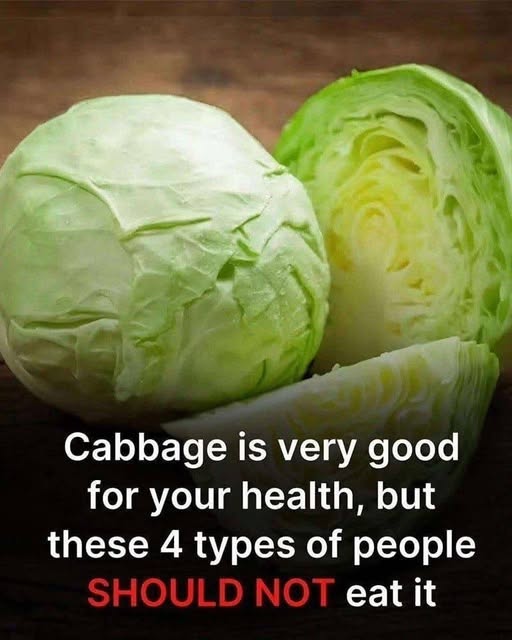
Cabbage is often praised as a super-healthy vegetable. It’s low in calories, rich in fiber, packed with vitamin C and K, and linked to benefits like better digestion, heart health, and reduced inflammation. From crunchy coleslaw to comforting soups and fermented sauerkraut, cabbage appears in cuisines around the world.
However, healthy doesn’t always mean suitable for everyone. For certain people, cabbage can actually trigger discomfort, worsen existing conditions, or interfere with medications. Understanding when cabbage may do more harm than good is just as important as knowing its benefits.
Here are four types of people who should avoid eating cabbage—or consume it only with caution.
1. People With Thyroid Disorders (Especially Hypothyroidism)
If you have a thyroid condition, especially hypothyroidism, cabbage may not be your best friend.
Why cabbage can be a problem
Cabbage belongs to the cruciferous vegetable family, which contains natural compounds called goitrogens. These substances can interfere with the thyroid’s ability to absorb iodine—an essential mineral for producing thyroid hormones.
When iodine uptake is disrupted, thyroid hormone production may decrease, potentially worsening symptoms such as:
-
Fatigue
-
Weight gain
-
Cold sensitivity
-
Brain fog
Does this mean no cabbage at all?
Not necessarily. The risk is higher when:
-
Cabbage is eaten raw (like in salads or smoothies)
-
It’s consumed in large amounts
-
You already have iodine deficiency
Safer tips
-
Eat cabbage cooked, as heat reduces goitrogen levels
-
Keep portions moderate
-
Ensure adequate iodine intake (from iodized salt or foods like eggs and fish)
-
If you’re on thyroid medication, avoid eating cabbage close to medication time
2. People With Digestive Disorders (IBS, Bloating, or Gas Issues)
Cabbage is notorious for causing gas and bloating, even in people with healthy digestion. For those with sensitive digestive systems, it can be especially troublesome.
Why cabbage causes digestive discomfort
Cabbage contains:
-
Insoluble fiber, which can irritate the gut
-
Complex sugars (raffinose) that are hard to digest
-
FODMAPs, which ferment in the intestines
These compounds can lead to:
-
Severe bloating
-
Abdominal cramps
-
Excess gas
-
Diarrhea or constipation
People with Irritable Bowel Syndrome (IBS) or inflammatory gut conditions often report symptoms shortly after eating cabbage.
Fermented cabbage isn’t always better
While sauerkraut and kimchi contain probiotics, they can still cause:
-
Gas flare-ups
-
Acid reflux
-
Increased abdominal pressure
Safer alternatives
-
Replace cabbage with easier-to-digest vegetables like zucchini, carrots, or spinach
-
If you do eat cabbage, choose well-cooked versions and small portions
3. People Taking Blood-Thinning Medications
If you are taking blood thinners such as warfarin, cabbage may interfere with your treatment.
The vitamin K issue
Cabbage is very high in vitamin K, which plays a key role in blood clotting. Blood-thinning medications work by reducing clot formation, and sudden changes in vitamin K intake can:
-
Reduce the effectiveness of the medication
-
Increase the risk of clotting
-
Make blood levels harder to control
Why consistency matters
The problem isn’t cabbage itself—it’s fluctuation. Eating a large amount of cabbage one week and none the next can disrupt medication balance.
What doctors usually recommend
-
Avoid large or sudden increases in cabbage intake
-
Keep vitamin K intake consistent
-
Inform your healthcare provider if you plan to change your diet
This applies not only to cabbage but also to kale, broccoli, and Brussels sprouts.
4. People With Kidney Stones or Kidney Disease
For individuals with kidney-related conditions, cabbage may require caution.
Cabbage and oxalates
Cabbage contains oxalates, compounds that can contribute to the formation of certain types of kidney stones—especially calcium oxalate stones.
While cabbage is lower in oxalates than some leafy greens, eating it frequently or in large amounts may still increase risk in sensitive individuals.
Additional concerns for kidney disease
People with chronic kidney disease (CKD) must often monitor:
-
Potassium intake
-
Fluid balance
-
Digestive tolerance
Cabbage can contribute to potassium levels, which may need to be restricted depending on the stage of kidney disease.
Smart choices
-
Limit portion size
-
Avoid daily consumption
-
Balance cabbage with low-oxalate vegetables
-
Always follow dietary guidance from a healthcare professional
Final Thoughts: Is Cabbage Bad for You?
Cabbage is not unhealthy, but it’s also not universally safe for everyone. Like many nutritious foods, its effects depend on your body, health conditions, and how it’s prepared.
You may want to avoid or limit cabbage if you:
-
Have thyroid problems
-
Struggle with bloating or IBS
-
Take blood-thinning medications
-
Have kidney stones or kidney disease
For everyone else, cabbage can still be part of a balanced diet—especially when eaten cooked, in moderation, and alongside a variety of other vegetables.
