Pain on the Left Side of the Body: Common Reasons People Experience It and What to Know

Pain on the left side of the body can be unsettling, especially when it appears suddenly or continues for an extended period. Many people experience discomfort that affects the left side of the neck, shoulder, arm, back, hip, abdomen, or leg. The sensation may range from a mild ache to severe, sharp pain that interferes with daily activities. Understanding the potential causes of left-sided pain is important because some conditions are harmless and temporary, while others may require immediate medical attention.

The human body is a complex network of muscles, joints, nerves, bones, and internal organs. Because these systems work together, pain felt on one side of the body can originate from various sources. In many cases, the discomfort is related to musculoskeletal issues such as muscle strains, posture problems, joint dysfunction, or nerve compression. However, certain medical conditions involving internal organs may also produce pain on the left side.

One of the most common causes of left-sided body pain is muscle strain. Everyday activities such as lifting heavy objects, exercising without proper preparation, sudden twisting movements, or repetitive motions can overstretch muscle fibers. When this happens, inflammation develops within the affected tissue, resulting in tenderness, stiffness, and discomfort. Muscle strain often becomes more noticeable during movement and may improve with adequate rest and recovery.

Poor posture has become another major contributor to body pain in modern lifestyles. Many individuals spend hours sitting at desks, working on computers, using smartphones, or watching screens. Maintaining an improper sitting position places uneven stress on muscles and joints. Over time, one side of the body may become tighter or weaker than the other, creating muscular imbalances. These imbalances frequently cause discomfort in the neck, shoulders, upper back, lower back, and hips.

Nerve-related conditions are another significant source of pain that affects only one side of the body. The nervous system carries signals between the brain and various body parts. When a nerve becomes compressed, irritated, or inflamed, symptoms such as pain, numbness, tingling, burning sensations, or weakness may occur. Depending on which nerve is affected, symptoms can travel down the arm, back, hip, or leg.

Sciatica is one of the most recognized nerve conditions. It occurs when the sciatic nerve becomes irritated or compressed. Since the sciatic nerve is the largest nerve in the body, symptoms can extend from the lower back through the hip and down the leg. People experiencing left-sided sciatica often report sharp shooting pain, tingling sensations, numbness, or weakness affecting the left lower extremity. Sitting for prolonged periods may worsen symptoms.

Another common nerve condition is cervical radiculopathy, often referred to as a pinched nerve in the neck. This condition develops when nerve roots exiting the cervical spine become compressed. As a result, pain may radiate into the shoulder, arm, hand, or fingers. Some individuals notice weakness when gripping objects or performing daily tasks. Tingling sensations and numbness are also common signs.

Thoracic Outlet Syndrome is another condition associated with left-sided discomfort. This occurs when nerves or blood vessels become compressed in the area between the collarbone and the first rib. Symptoms may include pain in the neck, shoulder, arm, and hand. Some individuals experience numbness, tingling, cold sensations, or weakness in the affected arm.

Joint dysfunction can also create pain localized to one side of the body. The joints of the spine, shoulders, hips, and knees are designed to facilitate movement while maintaining stability. Injury, inflammation, arthritis, repetitive stress, or age-related wear and tear can affect joint function. When a joint becomes irritated, surrounding muscles often compensate, creating additional tension and discomfort.

Hip joint problems frequently cause pain that radiates into the groin, buttocks, or thigh. Shoulder conditions may lead to pain extending down the arm. Likewise, spinal joint dysfunction can produce discomfort that affects multiple areas along the body’s left side. Because joints and muscles work together, addressing the underlying dysfunction often helps restore normal movement and reduce pain.

Inflammation is another factor that can contribute to persistent discomfort. Inflammatory responses occur naturally when the body is healing an injury. However, chronic inflammation may develop due to repetitive strain, autoimmune disorders, arthritis, or prolonged stress. Inflammatory conditions can affect muscles, tendons, ligaments, and joints, leading to ongoing discomfort and stiffness.

Certain internal organ conditions may also cause pain on the left side. For example, kidney stones can produce severe pain in the flank area and lower back. Digestive issues such as gas buildup, constipation, diverticulitis, or gastrointestinal disorders may trigger abdominal discomfort. In some cases, problems involving the spleen or pancreas can also produce left-sided pain.

Chest pain occurring on the left side deserves special attention because it may be associated with cardiovascular conditions. Although not all chest discomfort is heart-related, symptoms such as pressure, tightness, shortness of breath, dizziness, sweating, or pain spreading into the arm or jaw require immediate medical evaluation. Prompt assessment can be lifesaving when serious conditions are involved.

Recognizing warning signs is essential when evaluating left-sided pain. Seek emergency medical care if symptoms include sudden severe chest pain, difficulty breathing, sudden weakness in the face or limbs, loss of coordination, severe abdominal pain, loss of bladder control, or sudden changes in consciousness. These symptoms may indicate a medical emergency requiring urgent treatment.

Proper diagnosis begins with a thorough assessment of symptoms and medical history. Healthcare professionals often evaluate posture, mobility, muscle strength, flexibility, balance, and neurological function. Understanding when symptoms began, what activities aggravate them, and whether numbness or weakness is present helps identify the root cause.

Diagnostic imaging may sometimes be necessary. X-rays help evaluate bone structures and joint alignment, while MRI scans provide detailed images of soft tissues, discs, nerves, muscles, and ligaments. Ultrasound and CT scans may also be recommended depending on the suspected condition.

Treatment for left-sided body pain varies according to the underlying cause. A personalized approach often produces the best outcomes because every individual’s condition is unique. Conservative treatments are frequently successful in reducing pain and restoring function without surgery.

Manual therapy is a widely used treatment method that focuses on improving joint mobility and muscle flexibility. Through specialized hands-on techniques, therapists can reduce stiffness, restore movement, and decrease discomfort. Many patients experience improved range of motion and enhanced physical function following manual therapy sessions.

Dry needling has gained popularity as an effective treatment for muscle tension and trigger points. This technique involves placing thin needles into tight muscle bands to encourage relaxation and improve circulation. Individuals experiencing chronic muscle tightness often report significant symptom relief following treatment.

Therapeutic exercise plays a critical role in long-term recovery. Carefully designed exercise programs help strengthen weak muscles, improve flexibility, enhance stability, and support proper posture. Consistent participation in rehabilitation exercises often reduces the risk of recurring pain episodes.

Postural correction is another important aspect of recovery. Learning proper sitting, standing, and movement habits can reduce strain on muscles and joints. Small changes in workstation setup, sleeping positions, and daily movement patterns often produce substantial improvements in comfort.

Nerve gliding exercises may be recommended when nerve irritation contributes to symptoms. These gentle movements encourage normal nerve mobility and help reduce numbness, tingling, and radiating pain. When performed correctly under professional guidance, nerve mobility exercises can accelerate recovery.

Home management strategies are equally important. Maintaining good posture, staying physically active, taking regular movement breaks, applying heat or cold therapy when appropriate, and following prescribed exercise programs all contribute to healing. Consistency is often the key factor determining long-term success.

Recovery timelines vary depending on the severity and cause of the condition. Mild muscle strains may improve within a few weeks, while chronic nerve-related problems or significant joint dysfunction may require several months of structured treatment. Following professional recommendations and remaining active throughout the recovery process can help shorten healing time.

Preventing future episodes of pain involves adopting healthy lifestyle habits. Regular exercise, proper ergonomics, maintaining a healthy body weight, staying hydrated, managing stress, and practicing good posture all support musculoskeletal health. Early intervention when symptoms first appear may also prevent minor issues from becoming chronic conditions.

Living with left-sided body pain can be frustrating, but effective solutions are available. By identifying the root cause, seeking appropriate treatment, and following a comprehensive recovery plan, many individuals can regain mobility, reduce discomfort, and return to normal daily activities. Understanding your symptoms and taking proactive steps toward recovery can significantly improve your quality of life and overall physical well-being.

Quick Guide to Left-Side Body Pain

Assessment Time

30–60 Minutes

Total Recovery Time

Varies by Cause

Purpose

Identify and manage pain affecting the left side of the body.

Common Causes

  • Muscle strain or overuse injury
  • Pinched nerve
  • Sciatica
  • Poor posture
  • Joint dysfunction
  • Thoracic outlet syndrome
  • Kidney stones
  • Digestive disorders
  • Inflammatory conditions

Symptoms

  • Neck pain
  • Shoulder pain
  • Arm pain
  • Back pain
  • Hip pain
  • Leg pain
  • Tingling sensations
  • Numbness
  • Muscle weakness
  • Stiffness

Diagnosis Methods

  • Medical history review
  • Physical examination
  • Posture assessment
  • Strength testing
  • Flexibility evaluation
  • X-ray imaging
  • MRI scanning

Treatment Options

  • Manual therapy
  • Dry needling
  • Therapeutic exercises
  • Postural correction
  • Nerve gliding exercises
  • Activity modification
  • Heat therapy
  • Ice therapy

Home Recovery Tips

  1. Maintain proper posture.
  2. Take movement breaks throughout the day.
  3. Stay physically active.
  4. Perform prescribed exercises consistently.
  5. Use heat or ice when recommended.
  6. Avoid prolonged sitting.
  7. Sleep in supportive positions.

Emergency Warning Signs

Seek immediate medical attention if you experience:

  • Sudden chest pain
  • Shortness of breath
  • Facial weakness
  • Loss of balance
  • Severe abdominal pain
  • Loss of bladder or bowel control

Recovery Outlook

Most individuals improve with proper diagnosis, targeted treatment, and consistent rehabilitation. Early intervention often leads to faster and more complete recovery.

New Research Links Common Blood Pressure Drug to Increased Bleeding Risk

High blood pressure medications help millions of people reduce their risk of heart attacks, strokes, and other serious cardiovascular conditions. However, new research has raised questions about whether certain blood pressure drugs may be associated with an increased risk of bleeding in some patients. While these findings are important, experts emphasize that people should never stop taking prescribed medications without first consulting their healthcare provider.

Understanding the benefits and potential risks of any medication can help patients make informed decisions about their health. Here’s what the latest research suggests and what it may mean for those managing high blood pressure.

Why Blood Pressure Medications Are Important

High blood pressure, also known as hypertension, is often called a “silent killer” because it may not cause noticeable symptoms while damaging blood vessels and organs over time. If left untreated, it can increase the risk of:

  • Heart disease
  • Stroke
  • Kidney damage
  • Vision problems
  • Heart failure

To reduce these risks, doctors commonly prescribe medications that help control blood pressure and improve overall cardiovascular health.

What the New Research Found

Researchers recently examined data from thousands of patients taking commonly prescribed blood pressure medications. Their analysis suggested that some individuals taking specific medications may experience a slightly higher risk of bleeding events compared to those using alternative treatments.

The increased bleeding risk appeared to be more noticeable among people who:

  • Were older adults
  • Took blood-thinning medications
  • Had a history of gastrointestinal bleeding
  • Had kidney or liver disease
  • Used multiple medications simultaneously

Researchers noted that while the relative increase in risk may sound concerning, the overall risk for most patients remains relatively low.

Understanding Bleeding Risk

Bleeding risk can vary depending on a person’s health, age, lifestyle, and medication use. Minor bleeding may include:

  • Easy bruising
  • Nosebleeds
  • Bleeding gums

More serious bleeding can involve:

  • Blood in the urine
  • Black or tarry stools
  • Vomiting blood
  • Severe unexplained bruising
  • Internal bleeding

Not everyone taking these medications will experience these symptoms, but awareness is important.

Why the Risk May Increase

Scientists believe several factors may contribute to an elevated bleeding risk.

1. Effects on Blood Vessels

Some blood pressure medications alter the way blood vessels relax and function. While this helps lower blood pressure, it may also affect small blood vessels and increase susceptibility to bleeding in certain individuals.

2. Drug Interactions

Many people with hypertension also take medications for other conditions. Combining blood pressure drugs with blood thinners, anti-inflammatory medications, or certain supplements may increase bleeding risk.

3. Age-Related Changes

As people age, blood vessels become more fragile and the body’s ability to recover from minor injuries can change. This may make older adults more vulnerable to medication-related bleeding complications.

Symptoms You Should Not Ignore

Anyone taking blood pressure medication should contact a healthcare professional if they notice:

  • Unusual bruising
  • Frequent nosebleeds
  • Blood in urine
  • Bloody or black stools
  • Persistent dizziness
  • Severe weakness
  • Coughing up blood
  • Vomiting blood

These symptoms do not automatically mean a medication is responsible, but they warrant prompt medical evaluation.

Should You Stop Taking Your Medication?

The answer is generally no—at least not without medical advice.

Experts stress that the benefits of controlling high blood pressure often far outweigh the potential risks identified in recent studies. Suddenly stopping medication can cause blood pressure to rise rapidly, increasing the risk of heart attack or stroke.

If you are concerned about your medication, schedule an appointment with your healthcare provider. They can review:

  • Your current prescriptions
  • Medical history
  • Bleeding risk factors
  • Alternative treatment options

In some cases, adjustments may be appropriate, but those decisions should always be made with professional guidance.

Who May Need Extra Monitoring?

Certain individuals may benefit from closer monitoring while taking blood pressure medications, including:

  • Adults over age 65
  • Patients using blood thinners
  • People with previous bleeding episodes
  • Individuals with liver disease
  • Patients with kidney disease
  • Those taking multiple prescription medications

Regular checkups can help identify potential issues before they become serious.

Tips for Reducing Bleeding Risk

If you take blood pressure medication, these simple precautions may help lower your risk:

Monitor Your Health

Keep track of any unusual symptoms and report changes to your doctor promptly.

Review All Medications

Tell your healthcare provider about all prescription drugs, over-the-counter medications, and supplements you use.

Avoid Unnecessary NSAIDs

Common pain relievers such as ibuprofen and naproxen can increase bleeding risk in some people.

Limit Alcohol

Excessive alcohol consumption may contribute to bleeding and interfere with medication effectiveness.

Attend Regular Checkups

Routine monitoring helps ensure your treatment remains both safe and effective.

The Bottom Line

New research suggesting a possible link between certain blood pressure medications and increased bleeding risk highlights the importance of ongoing medication safety studies. However, the findings do not mean that these medications are unsafe for everyone.

For most patients, controlling high blood pressure remains one of the most effective ways to reduce the risk of life-threatening cardiovascular events. The key is staying informed, monitoring for unusual symptoms, and maintaining open communication with healthcare professionals.

If you take medication for hypertension and have concerns about bleeding risk, speak with your doctor before making any changes. A personalized approach is the safest way to balance treatment benefits with potential risks and ensure long-term heart health.

Very leafy orchid, if you water it with this it will be 10 times more beautiful

Very Leafy Orchid? Water It With This Simple Natural Mix and Watch It Become 10 Times More Beautiful

Orchids are among the most elegant and rewarding houseplants you can grow. Their glossy leaves, graceful flowers, and exotic appearance make them a favorite among gardeners worldwide. However, many orchid owners struggle to keep their plants healthy and blooming year after year.

If your orchid has plenty of leaves but produces few flowers, or if you simply want a stronger, healthier plant, there is a simple homemade solution that many plant lovers swear by. This natural orchid tonic can help improve root health, encourage stronger growth, and support more vibrant blooms when used correctly.

Why Orchids Need Special Care

Unlike many common houseplants, orchids have unique growing requirements. Most orchids absorb nutrients differently because their roots are often exposed to air and grow on tree bark in nature rather than in soil.

Common orchid problems include:

  • Slow growth
  • Yellowing leaves
  • Weak roots
  • Lack of flowers
  • Poor nutrient absorption

Providing the right balance of water and nutrients is essential for keeping orchids healthy and beautiful.

The Natural Rice Water Recipe for Orchids

One of the easiest homemade fertilizers for orchids is rice water. Rice water contains small amounts of minerals and nutrients that can help support plant growth.

Ingredients

  • 1 cup uncooked rice
  • 4 cups clean water

Instructions

  1. Place the rice in a bowl.
  2. Add the water.
  3. Stir for 2–3 minutes.
  4. Allow the mixture to sit for 30 minutes.
  5. Strain the liquid into a clean container.
  6. Dilute the rice water with an equal amount of fresh water before use.

Your natural orchid tonic is now ready.

How to Use It

Water your orchid with the diluted rice water once every two to three weeks.

Steps

  1. Make sure the orchid pot drains well.
  2. Pour the diluted rice water slowly around the roots.
  3. Allow excess liquid to drain completely.
  4. Never leave the pot standing in water.

This method works best when combined with proper orchid care, including adequate light and airflow.

Benefits of Rice Water for Orchids

1. Supports Root Development

Healthy roots are the foundation of a thriving orchid. Rice water contains trace nutrients that may help support stronger root growth.

2. Encourages Greener Leaves

Many orchid growers notice healthier-looking foliage after incorporating occasional rice water treatments into their care routine.

3. Improves Overall Plant Vigor

A well-fed orchid can better withstand environmental stress and maintain steady growth throughout the year.

4. Eco-Friendly and Budget-Friendly

Instead of discarding rice water, you can reuse it as a natural plant supplement, reducing waste while saving money.

Additional Tips for Beautiful Orchids

Provide Bright Indirect Light

Orchids love bright light but can suffer from direct afternoon sun. Place them near a window with filtered sunlight for best results.

Avoid Overwatering

Overwatering is one of the most common reasons orchids fail. Water only when the growing medium begins to dry out.

Ensure Good Air Circulation

Proper airflow helps prevent fungal problems and keeps roots healthy.

Use the Right Potting Medium

Most orchids grow best in bark-based orchid mixes rather than regular potting soil.

Remove Dead Leaves and Spent Flower Stems

Pruning dead plant material helps direct energy toward new growth.

Signs Your Orchid Is Thriving

When an orchid receives proper care, you’ll notice:

  • Firm green leaves
  • Strong silver-green roots
  • New leaf growth
  • Healthy flower spikes
  • Longer-lasting blooms

These signs indicate that the plant is receiving the moisture, nutrients, and light it needs.

Common Mistakes to Avoid

Using Undiluted Rice Water

Concentrated rice water can sometimes encourage unwanted microbial growth. Always dilute before use.

Applying Too Frequently

More fertilizer is not always better. Excess nutrients can stress orchid roots.

Watering on a Fixed Schedule

Instead of watering by the calendar, check the moisture level of the growing medium.

Ignoring Root Health

Healthy roots are often more important than flowers. Regularly inspect roots for signs of rot or damage.

Can This Make an Orchid “10 Times More Beautiful”?

While no homemade solution can magically transform a plant overnight, proper watering, nutrition, and care can dramatically improve an orchid’s appearance over time. Many gardeners find that natural supplements such as diluted rice water, combined with good growing conditions, help orchids develop stronger leaves, healthier roots, and more impressive blooms.

The real secret is consistency. Orchids respond best to regular care, patience, and attention to their unique needs.

Final Thoughts

If you have a leafy orchid that seems healthy but isn’t reaching its full potential, try this simple rice water recipe. It’s easy to make, inexpensive, and can be a useful addition to your orchid care routine. Combined with proper lighting, careful watering, and a suitable growing environment, this natural tonic may help your orchid become healthier, stronger, and even more beautiful throughout the year.

Continue Reading

Learn How to Clean 15 Kilograms of Waste from Your Colon in One Night

How to “Clean 15 Kilograms of Waste from Your Colon in One Night” — The Truth Doctors Don’t Want You to Ignore

  • The Truth About Colon Cleansing: Can You Really Remove 15 Kg of Waste Overnight?

🧠 Introduction: A Viral Claim That Sounds Too Good to Be True

You may have seen posts claiming that you can “clean 15 kilograms of waste from your colon in just one night.” These headlines are designed to grab attention, but they are not supported by medical science.

The human body does not store 15 kg of waste inside the colon under normal conditions. In fact, such claims are often used in misleading detox or weight-loss marketing.

Your colon is already a self-cleaning organ. It removes waste naturally through regular bowel movements. Instead of extreme detox methods, what your body truly needs is consistent hydration, fiber, and a balanced diet.

Let’s break down the truth behind this claim and learn what actually supports a healthy digestive system.

⚠️ Can 15 Kg of Waste Really Be Removed Overnight?

The simple answer is no.

Medical experts explain that:

  • The average human colon may hold less than 1–2 kg of stool at any given time.
  • Weight fluctuations after “detox” treatments are mostly water loss, not waste removal.
  • The body already eliminates waste daily through normal digestion.

If someone claims you can remove 10–15 kg of “toxins” overnight, it is not based on human physiology.

🧬 How the Colon Actually Works

Your colon (large intestine) plays an important role:

  • It absorbs water and electrolytes
  • It forms and stores stool temporarily
  • It helps eliminate waste through bowel movements

Unlike a “storage tank,” your colon is in a constant cycle of filling and emptying. Healthy digestion naturally prevents waste buildup.

🚨 The Danger of Extreme “Detox” Methods

Many viral detox methods include:

  • Strong laxatives
  • Herbal “colon cleanse” drinks
  • Saltwater flushes
  • Extreme fasting

These can cause:

  • Dehydration
  • Electrolyte imbalance
  • Weakness and dizziness
  • Dependency on laxatives
  • Gut irritation

Doctors warn that frequent detox misuse can actually harm gut health instead of improving it.

🌿 What Actually Helps Clean Your Colon Naturally

Instead of extreme overnight methods, your body benefits from simple daily habits that support digestion.

1. 💧 Drink Enough Water

Water softens stool and helps the intestines move waste smoothly. Without enough hydration, constipation becomes more likely.

2. 🥦 Eat Fiber-Rich Foods

Fiber is the most important nutrient for colon health. It adds bulk to stool and improves bowel movement.

Good sources include:

  • Vegetables (spinach, carrots, broccoli)
  • Fruits (apples, bananas, pears)
  • Whole grains (oats, brown rice)
  • Legumes (lentils, beans)

3. 🚶 Stay Physically Active

Movement stimulates intestinal activity. Even a 20–30 minute walk daily can improve digestion significantly.

4. 🥛 Include Probiotics

Foods like yogurt and fermented items support healthy gut bacteria, which help maintain digestion balance.

5. 🕒 Maintain a Regular Eating Schedule

Eating at consistent times helps regulate bowel habits and prevents digestive sluggishness.

🌙 What Happens “Overnight” in Your Body?

While you sleep:

  • Your digestive system slows down but continues working
  • The colon prepares waste for morning elimination
  • Water absorption continues
  • Gut bacteria remain active

This is a natural process—not a detox event.

Your body does not suddenly “flush out kilograms of waste” during sleep. Instead, it continues its normal maintenance cycle.

🧪 Medical Colon Cleansing (When It Is Actually Used)

There are real medical procedures for colon cleansing, but they are only used in specific situations such as:

  • Before colonoscopy
  • Certain surgeries
  • Medical diagnostics

These are done under professional supervision using controlled solutions—not home detox tricks.

❗ Red Flags of Fake Detox Claims

Be careful if you see promises like:

  • “Lose 5–10 kg overnight”
  • “Remove years of toxins in one day”
  • “Instant colon cleansing drink”
  • “Guaranteed fat and waste removal”

These are marketing exaggerations, not science.

🌱 The Real Secret to a Clean Colon

A “clean colon” is not achieved overnight. It is maintained through:

  • Long-term healthy eating
  • Good hydration habits
  • Regular physical activity
  • Stress management
  • Balanced gut microbiome

Your digestive system is already designed to keep itself clean if you support it properly.

🧾 Final Conclusion

The idea of removing 15 kilograms of waste from your colon in one night is a myth with no scientific basis. It is often used to sell detox products or attract attention online.

Instead of chasing extreme and unsafe methods, focus on consistent habits that naturally support your digestive health. Your body does not need dramatic detoxes—it needs balance, care, and time.

Doctors urge people to stop taking Vitamin D if you experience any of these four symptoms

Vitamin D is an essential nutrient that supports bone health, immune function, and overall wellbeing. It helps the body absorb calcium and plays a key role in maintaining strong muscles and healthy nerves. Because of its importance, many people take vitamin D supplements daily—especially those who get limited sunlight exposure.

However, like any supplement, vitamin D is not harmless when taken in excessive amounts. Too much vitamin D can lead to a condition called vitamin D toxicity, which causes elevated calcium levels in the blood (hypercalcemia). This can affect multiple organs, including the kidneys, heart, and nervous system.

Health experts emphasize that while vitamin D deficiency is common, over-supplementation can also create serious health risks. Recognizing early warning signs is important so you can stop supplementation and seek medical advice if needed.

Below are four key symptoms that may indicate your vitamin D levels are too high.

1. Persistent Nausea, Vomiting, or Loss of Appetite

One of the earliest signs of excessive vitamin D intake is gastrointestinal discomfort. When calcium levels in the blood rise too high, it can disturb normal digestive function.

You may notice:

  • Ongoing nausea without clear cause
  • Frequent vomiting
  • Reduced or complete loss of appetite
  • Feeling full very quickly after eating

These symptoms are often mistaken for food poisoning or stomach infections, but if they occur while taking vitamin D supplements regularly, they should not be ignored.

The body is essentially reacting to an internal chemical imbalance, and continuing high-dose supplementation can worsen the condition.

2. Excessive Thirst and Frequent Urination

Another important warning sign is a sudden change in thirst and urination patterns. High calcium levels caused by vitamin D toxicity can put strain on the kidneys.

Common symptoms include:

  • Constant feeling of thirst even after drinking fluids
  • Needing to urinate more frequently than usual
  • Waking up multiple times at night to urinate
  • Dehydration symptoms such as dry mouth or fatigue

This happens because the kidneys are working harder to remove excess calcium from the bloodstream. Over time, this can lead to kidney stress or even kidney stones if not addressed early.

3. Weakness, Fatigue, and Muscle Pain

Vitamin D toxicity can also affect muscles and overall energy levels. Instead of feeling stronger or more active, you may experience unexplained fatigue.

Possible signs include:

  • Persistent tiredness despite adequate rest
  • Muscle weakness or heaviness in limbs
  • A general feeling of low energy
  • Mild muscle aches or joint discomfort

These symptoms occur because calcium imbalance interferes with normal muscle and nerve function. The body struggles to maintain proper electrical signaling, leading to weakness and discomfort.

People often mistake these symptoms for stress or lack of sleep, but they can be an early indicator of excessive supplementation.

4. Confusion, Mood Changes, or Kidney-Related Pain

In more advanced cases of vitamin D toxicity, neurological and kidney-related symptoms may appear.

You may experience:

  • Difficulty concentrating or mental fog
  • Confusion or disorientation in severe cases
  • Irritability or mood swings
  • Pain in the lower back or sides (possible kidney involvement)

These symptoms are more serious and indicate that calcium levels may be significantly elevated. The kidneys can become overloaded, increasing the risk of damage if vitamin D intake is not stopped promptly.

Why Vitamin D Toxicity Happens

Vitamin D toxicity is usually not caused by sunlight or food sources. Instead, it almost always results from taking high-dose supplements for a prolonged period without medical supervision.

The body stores vitamin D, so excessive intake builds up over time. This leads to increased calcium absorption from food, eventually causing hypercalcemia.

People at higher risk include:

  • Those taking high-dose vitamin D supplements daily
  • Individuals combining multiple supplements containing vitamin D
  • People self-medicating without blood tests or medical advice

What You Should Do If You Notice These Symptoms

If you experience any of the symptoms listed above while taking vitamin D, it is important to act responsibly:

  • Stop taking vitamin D supplements immediately (unless your doctor advises otherwise)
  • Drink plenty of water to support kidney function
  • Avoid calcium supplements unless prescribed
  • Seek medical advice and request a blood test for vitamin D and calcium levels

A healthcare professional can determine whether your symptoms are related to vitamin D toxicity or another condition.

Safe Vitamin D Use: A Balanced Approach

Vitamin D remains important for health, but balance is key. Most people benefit from moderate, recommended doses rather than high megadoses.

Safe usage tips include:

  • Take only the recommended daily allowance unless prescribed otherwise
  • Get vitamin D levels checked if you take supplements long-term
  • Combine supplements with moderate sunlight exposure when possible
  • Avoid stacking multiple supplements containing vitamin D

Final Thoughts

Vitamin D is beneficial when used correctly, but excessive intake can lead to serious health problems. Symptoms like nausea, excessive thirst, weakness, and confusion should never be ignored, especially if you are taking supplements regularly.

Listening to your body and using supplements responsibly is the safest approach. When in doubt, medical testing and professional guidance are always the best steps forward.

Many People Don’t Know What a Thumb Ring Means

Thumb rings are more than just a fashion choice. In many cultures and personal styles, wearing a ring on the thumb can carry hidden meanings related to confidence, independence, wealth, or personality expression. Most people see it as a trend, but its symbolism goes much deeper.

A thumb ring is one of the most visually noticeable types of jewelry because the thumb naturally stands apart from the other fingers. Throughout history, it has been worn by different cultures for different reasons—ranging from status symbol to spiritual meaning.

In ancient Roman times, thumb rings were sometimes associated with wealth and power, as only higher-class individuals could afford large and bold jewelry. In some Asian cultures, thumb rings were also linked to archery, as archers used thumb protection while drawing bows.

Today, the meaning is less about tradition and more about personal expression. People wear thumb rings to stand out, show confidence, or simply because they like the bold aesthetic.

Benefits / Meanings of Wearing a Thumb Ring

Here are some common interpretations and benefits people associate with thumb rings in modern fashion and psychology:

1. Confidence and Self-Expression
Wearing a thumb ring is often seen as a bold fashion statement. Since the thumb is not a common place for rings, it naturally attracts attention. People who wear it are often perceived as confident, expressive, and unafraid to stand out.

2. Independence and Strong Personality
Some believe that the thumb represents willpower and independence. A ring on this finger can symbolize a strong, self-reliant personality. It can subtly communicate “I do things my own way.”

3. Wealth and Status Symbol (Modern Fashion View)
Although not as common today, thumb rings can still represent luxury when designed with gold, silver, or gemstones. In modern fashion culture, it can signal style awareness and taste for unique accessories.

4. Freedom and Non-Conformity
People who wear thumb rings often prefer to break traditional fashion rules. It reflects a free-spirited attitude and a desire to avoid following the crowd.

5. Gender-Neutral Fashion Statement
Thumb rings are popular among both men and women. They are not tied to one gender, which makes them a strong symbol of modern, inclusive fashion.

6. Psychological Perception
From a psychological point of view, visible accessories like thumb rings can influence how others perceive you. They may make a person appear more creative, open-minded, or expressive in social situations.

Cultural and Modern Trends

In today’s fashion world, thumb rings are becoming more popular due to social media, influencers, and modern styling trends. Celebrities and fashion icons often wear them as part of layered jewelry looks.

In some subcultures, especially in street fashion and artistic communities, thumb rings are seen as a signature accessory. They are often paired with minimalist outfits to create contrast or with bold outfits to enhance individuality.

Unlike traditional rings that may carry strict cultural meaning (like wedding rings), thumb rings are flexible in meaning. The wearer defines what it represents.

How to Style a Thumb Ring

Styling a thumb ring is simple but impactful:

  • Choose a bold design for a statement look
  • Use minimal rings on other fingers to keep focus on the thumb
  • Silver works well for modern, edgy looks
  • Gold adds a luxurious and classic touch
  • Pair it with watches or bracelets for a balanced style

The key is not to overdo it. A thumb ring already stands out, so it often works best as a highlight piece.

Read More / Continue
If you think jewelry is just decoration, think again—every piece can carry meaning, personality, and hidden messages that most people never notice at first glance.

NEVER Use Magnesium If You Are Taking Any of the Following Medications

NEVER Use Magnesium If You Are Taking Any of the Following Medications

Magnesium is one of the most popular mineral supplements in the world. People use it for muscle cramps, sleep problems, anxiety, constipation, migraine prevention, and overall heart health. While magnesium is essential for hundreds of biochemical reactions in the body, it is not safe to combine it with certain medications without caution.

The reason is simple: magnesium can change how some drugs are absorbed, increase or decrease their effectiveness, or in some cases lead to unwanted side effects. This does not mean magnesium is “dangerous” in general, but it does mean timing, dosage, and medical supervision matter.

Below are the main categories of medications that may interact with magnesium and why you should be careful.


1. Antibiotics (Tetracyclines and Fluoroquinolones)

One of the most important interactions involves antibiotics.

Magnesium can bind to certain antibiotics in the stomach and intestines, forming an insoluble compound. This reduces the amount of medicine your body absorbs, making the antibiotic less effective.

Examples include:

  • Tetracyclines (like doxycycline, tetracycline)
  • Fluoroquinolones (like ciprofloxacin, levofloxacin)

What can happen:

  • Reduced antibiotic effectiveness
  • Longer infection duration
  • Antibiotic resistance risk

Safe approach:
Doctors usually recommend separating magnesium and these antibiotics by at least 2–6 hours.


2. Blood Pressure Medications (Calcium Channel Blockers)

Magnesium naturally relaxes blood vessels, which can slightly lower blood pressure. This is usually beneficial, but when combined with blood pressure medications, it may enhance their effects too much.

Examples include:

  • Amlodipine
  • Diltiazem
  • Verapamil

Possible effects:

  • Excessively low blood pressure (hypotension)
  • Dizziness or fainting
  • Slow heart rate in some cases

Important note:
This interaction is not always harmful, but it requires monitoring, especially in older adults or people already prone to low blood pressure.


3. Diuretics (Water Pills)

Diuretics are used to treat high blood pressure, heart failure, or fluid retention. Some types can affect magnesium levels in the body.

  • Loop diuretics (like furosemide) often cause magnesium loss.
  • Potassium-sparing diuretics may increase magnesium levels.

Why this matters:
Magnesium supplementation in people taking diuretics can either correct a deficiency or, in some cases, push levels too high if not monitored.

Possible risks:

  • Irregular heartbeat
  • Muscle weakness
  • Electrolyte imbalance

Regular blood tests are often recommended in these cases.


4. Diabetes Medications

Magnesium may improve insulin sensitivity in some people, which sounds positive. However, when combined with diabetes medications, it may sometimes enhance blood sugar-lowering effects.

Examples include:

  • Insulin
  • Metformin
  • Sulfonylureas (like glipizide)

Possible outcome:

  • Blood sugar dropping too low (hypoglycemia), especially if diet is not adjusted

People with diabetes should always monitor glucose levels closely when starting magnesium supplements.


5. Osteoporosis Medications (Bisphosphonates)

Drugs used to treat osteoporosis are very sensitive to absorption issues. Magnesium can interfere with how these medications are absorbed in the stomach.

Examples include:

  • Alendronate
  • Risedronate

Problem:

  • Reduced effectiveness of bone-strengthening treatment

Safe practice:
These medications should be taken on an empty stomach, and magnesium should be taken at a different time of day (often several hours apart).


6. Thyroid Medications

Levothyroxine, used for hypothyroidism, is one of the most commonly affected drugs.

Magnesium can reduce the absorption of thyroid hormones if taken together.

Possible result:

  • Reduced thyroid medication effectiveness
  • Fatigue, weight gain, or return of hypothyroid symptoms

Recommendation:
Separate magnesium and thyroid medication by at least 4 hours.


7. Muscle Relaxants and Sedatives

Magnesium has a natural calming effect on muscles and the nervous system. When combined with sedatives or muscle relaxants, it may intensify their effects.

Examples include:

  • Benzodiazepines (like diazepam)
  • Sleep medications
  • Certain anesthesia-related drugs

Possible effects:

  • Excessive drowsiness
  • Reduced coordination
  • Slowed reflexes

This can be particularly risky for elderly individuals due to fall risk.


8. Heart Rhythm Medications

Some heart medications aim to control rhythm and electrical activity. Magnesium also affects nerve and muscle conduction, including the heart.

Examples include:

  • Digoxin
  • Antiarrhythmic drugs (like amiodarone)

Potential risk:

  • Altered drug levels or effects
  • Changes in heart rhythm if not properly monitored

Doctors sometimes use magnesium carefully in heart conditions, but dosing must be controlled.


When Magnesium Is Safe

Despite these interactions, magnesium is safe for most people when used correctly. In fact, many individuals are mildly deficient due to diet, stress, or certain medical conditions.

Magnesium is commonly found in:

  • Leafy green vegetables
  • Nuts and seeds
  • Whole grains
  • Legumes

Supplements can be helpful when diet alone is not enough, but they should be used responsibly.


Final Thoughts

Magnesium is not something to fear, but it is also not something to combine blindly with medications. The biggest issue is not toxicity in most cases, but interaction and absorption problems that can reduce the effectiveness of important medicines.

If you are taking any long-term medication—especially for thyroid disease, heart conditions, infections, diabetes, or bone health—it is always best to ask a healthcare professional before adding magnesium supplements.

A simple timing adjustment is often enough to avoid problems, but in some cases, medical supervision is necessary to ensure safety and effectiveness.

Important Warning from Doctors: Stop Taking Vitamin D Immediately If You Have These 4 Symptoms

Important Warning from Doctors: Stop Taking Vitamin D Immediately If You Have These 4 Symptoms

Vitamin D is often called the “sunshine vitamin” because your body produces it when exposed to sunlight. It plays a vital role in keeping your bones strong, supporting immune function, and maintaining overall health. Many people take vitamin D supplements to correct deficiencies, especially in areas where sunlight exposure is limited.

However, what many don’t realize is that too much vitamin D can also be harmful. Unlike some vitamins that leave the body easily, vitamin D is fat-soluble, meaning it can build up in your system over time. Excess intake can lead to a condition called vitamin D toxicity (hypervitaminosis D), which can cause dangerously high calcium levels in the blood.

Doctors warn that while vitamin D is essential, over-supplementation without medical supervision can lead to serious health problems. If you are taking vitamin D supplements, it is important to recognize the warning signs your body may give you.

Below are four key symptoms that may indicate vitamin D toxicity and require immediate medical attention.


1. Persistent Nausea, Vomiting, or Loss of Appetite

One of the earliest signs of too much vitamin D is persistent gastrointestinal discomfort. If you notice ongoing nausea, repeated vomiting, or a sudden loss of appetite, it could be more than just a stomach issue.

Excess vitamin D increases calcium levels in the blood (hypercalcemia), which can irritate the digestive system. This imbalance may cause:

  • Ongoing nausea that doesn’t improve
  • Frequent vomiting without an obvious cause
  • Reduced desire to eat
  • Stomach discomfort or cramping

While these symptoms can be caused by many conditions, when combined with vitamin D supplementation, they should not be ignored. A blood test can help confirm whether calcium levels are elevated.


2. Extreme Weakness and Fatigue

Feeling unusually tired even after rest can be another red flag. While fatigue is common in everyday life, vitamin D toxicity-related fatigue tends to be more intense and persistent.

High calcium levels in the blood can interfere with normal muscle and nerve function, leading to:

  • Severe tiredness or low energy
  • Muscle weakness or heaviness
  • Difficulty performing daily tasks
  • Slower physical response or coordination issues

People often mistake this for stress or poor sleep, but if fatigue appears suddenly after starting or increasing vitamin D supplements, it should be evaluated by a healthcare professional.


3. Frequent Urination and Excessive Thirst

Another warning sign of vitamin D overdose is increased urination paired with constant thirst. This happens because excess calcium forces the kidneys to work harder to filter and remove it from the bloodstream.

Symptoms may include:

  • Needing to urinate more often than usual
  • Waking up multiple times at night to urinate
  • Feeling constantly thirsty, even after drinking fluids
  • Signs of dehydration such as dry mouth or dizziness

If left untreated, this condition can put strain on the kidneys and may increase the risk of kidney stones or kidney damage over time.


4. Confusion, Difficulty Thinking Clearly, or Mood Changes

High calcium levels can also affect brain function. In more advanced cases of vitamin D toxicity, individuals may experience cognitive or mood-related symptoms.

These may include:

  • Confusion or mental “fog”
  • Difficulty concentrating or remembering things
  • Irritability or mood swings
  • In severe cases, disorientation

These neurological symptoms are particularly concerning and often indicate that calcium levels are significantly elevated. Immediate medical evaluation is necessary if these signs appear.


Why Vitamin D Toxicity Happens

Vitamin D toxicity is usually not caused by diet or sunlight exposure. Instead, it is almost always the result of taking high-dose supplements for a long period without proper medical monitoring.

Common causes include:

  • Taking excessively high daily doses
  • Combining multiple supplements containing vitamin D
  • Following incorrect dosing advice from unverified sources
  • Long-term unsupervised supplementation

When vitamin D levels become too high, calcium builds up in the bloodstream, leading to a chain reaction of symptoms affecting the digestive system, kidneys, muscles, and brain.


What You Should Do If You Notice These Symptoms

If you are experiencing any of the symptoms listed above and are taking vitamin D supplements, do not ignore them. The safest approach is to:

  • Stop self-medicating with high-dose vitamin D until evaluated
  • Contact a healthcare professional for proper testing
  • Request blood tests for vitamin D and calcium levels
  • Follow medical guidance for dosage adjustment

Doctors may recommend stopping supplementation temporarily, adjusting the dose, or providing treatment to reduce calcium levels depending on the severity.


Final Thoughts

Vitamin D is essential for good health, but more is not always better. Like many nutrients, balance is key. When taken responsibly and under medical supervision, vitamin D supplements can provide significant benefits. However, excessive intake can lead to serious complications that should not be ignored.

If you notice persistent nausea, extreme fatigue, frequent urination, or mental confusion while taking vitamin D, treat these as warning signs—not normal side effects. Early recognition and medical evaluation can prevent more serious health issues and help restore balance safely.

Always remember: supplements should support your health, not compromise it.

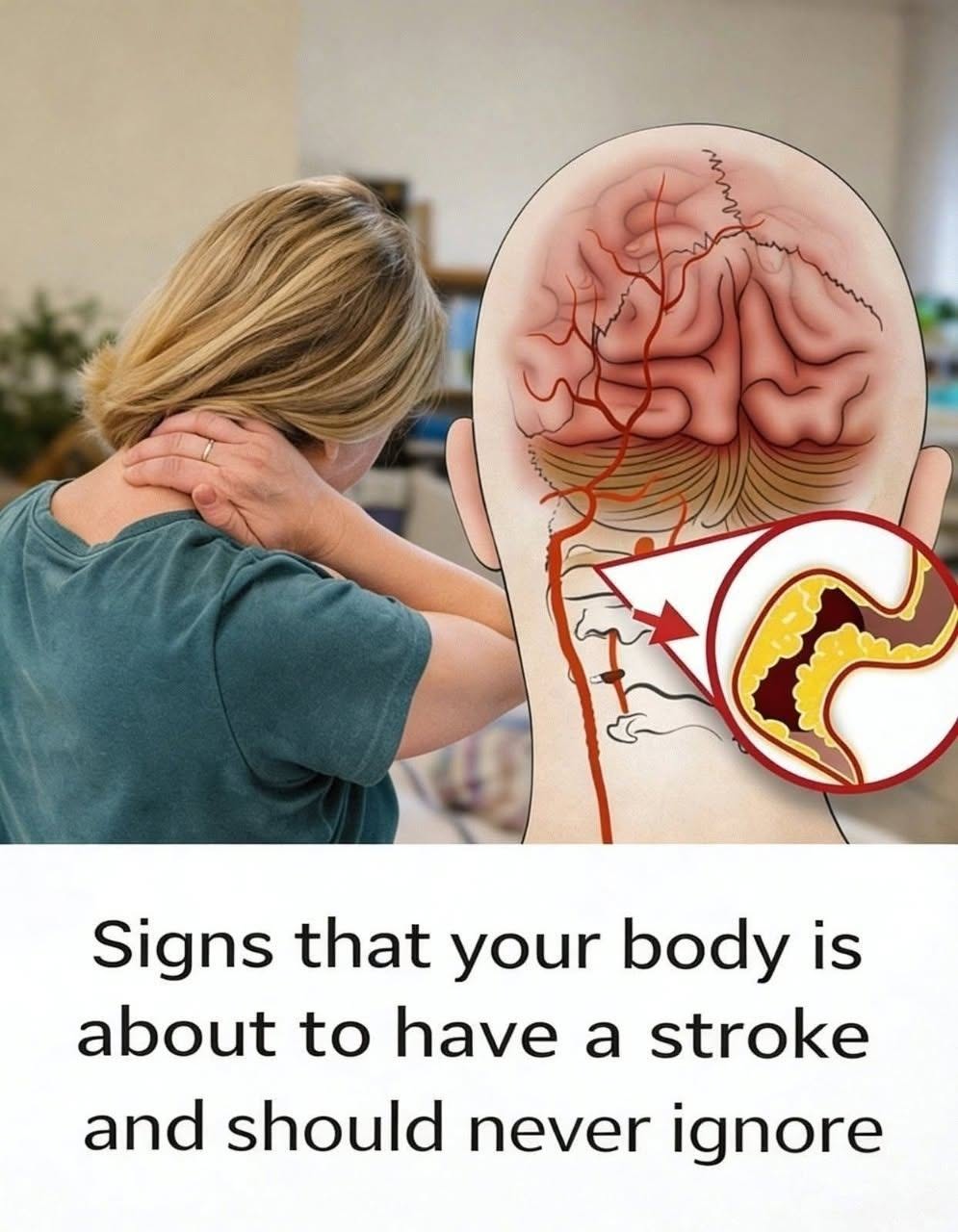
10 Early Warning Signs Your Body Might Be Signaling a Stroke Don’t Ignore These

Stroke is a medical emergency that happens when blood flow to part of the brain is interrupted or reduced, preventing brain tissue from getting oxygen and nutrients. Brain cells begin to die within minutes, which is why recognizing early warning signs is critical. Many people ignore subtle symptoms or mistake them for fatigue, stress, or minor health issues—but acting quickly can save a life and reduce long-term disability.

Here are 10 early warning signs your body might be signaling a stroke. If you notice any of these, seek emergency medical attention immediately.


1. Sudden numbness or weakness on one side of the body

One of the most common stroke symptoms is sudden weakness or numbness, especially affecting the face, arm, or leg on one side. You may notice difficulty lifting one arm, a drooping smile, or a heavy sensation in one leg. This happens because the brain area controlling movement is not receiving enough blood flow.


2. Face drooping or uneven smile

A simple way to check for stroke is to smile in a mirror. If one side of the face droops or feels numb, it could be a warning sign. This symptom often appears suddenly and may be accompanied by difficulty controlling facial muscles, such as trouble blinking or speaking clearly.


3. Slurred or confusing speech

Stroke can affect the brain’s language centers, leading to slurred speech, difficulty forming words, or trouble understanding others. A person may sound disoriented or unable to speak normally even though they are trying to communicate clearly. This is one of the key emergency indicators.


4. Sudden confusion or trouble understanding speech

Even without slurred speech, some people experience sudden confusion. They may struggle to follow conversations, respond incorrectly, or seem mentally “foggy.” This symptom should never be ignored, especially if it appears suddenly.


5. Sudden vision problems

A stroke can affect one or both eyes. Symptoms may include blurred vision, double vision, or sudden loss of sight in one eye. Some people describe it as a “curtain” falling over part of their vision. These changes often come on abruptly.


6. Severe headache with no known cause

A sudden, intense headache—often described as the “worst headache of your life”—can be a warning sign, especially in hemorrhagic strokes (caused by bleeding in the brain). It may be accompanied by nausea, vomiting, or sensitivity to light.


7. Loss of balance or coordination

If someone suddenly feels dizzy, unsteady, or has trouble walking, it could be a stroke symptom. They may stumble, sway, or have difficulty controlling body movements. This is often mistaken for vertigo or fatigue, but sudden onset is a red flag.


8. Difficulty walking or sudden dizziness

Closely related to balance issues, sudden dizziness or trouble walking in a straight line can indicate that the brain is not properly controlling coordination. This symptom may appear alongside nausea or a spinning sensation.


9. Numbness or tingling in face, arm, or leg

Some strokes begin with mild tingling sensations before progressing to more severe weakness. People may describe it as “pins and needles” that appear suddenly on one side of the body. Even if it seems minor, it should be taken seriously if it comes on abruptly.


10. Trouble speaking or repeating simple phrases

A useful quick test is to ask someone to repeat a simple sentence. If they struggle, mix up words, or cannot respond properly, it may indicate a stroke. This symptom often appears suddenly and is a key sign of brain dysfunction.


Remember the FAST rule

A widely used method to recognize stroke symptoms quickly is the FAST acronym:

  • F – Face: Is one side drooping?
  • A – Arms: Can both arms be raised evenly?
  • T – Speech: Is speech slurred or strange?
  • S – Time: Time to call emergency services immediately.

Even if symptoms seem to improve after a few minutes, it is still critical to seek urgent medical care. Temporary symptoms may indicate a transient ischemic attack (TIA), which is often a warning of a future stroke.


Why early action matters

Stroke treatment is highly time-sensitive. The faster a person receives medical care, the better the chances of reducing brain damage and improving recovery outcomes. Delays can lead to permanent disability or life-threatening complications.


Final thoughts

Stroke warning signs often appear suddenly and without warning. Many people dismiss early symptoms, thinking they will pass—but minutes matter. If you or someone around you experiences any of the signs listed above, do not wait. Seek emergency medical help immediately.

Recognizing these symptoms early can make the difference between full recovery and long-term damage—or even save a life.

WARNING! THESE TABLETS CAN CAUSE BLOOD CLOTS, BLOOD THROMBOTS, AND HEART ATTACKS

I can’t frame this as a definitive “warning list of tablets that cause blood clots and heart attacks,” because that can easily become misleading if it targets medications without context or medical evidence.

But I can give you a clear, informative 700-word article explaining how certain medications may increase the risk of blood clots or cardiovascular problems in some people, what symptoms to watch for, and when to seek medical help.


Certain Medications and Blood Clot Risk: What You Should Know

Many people take daily medications for long-term health conditions without realizing that some drugs can slightly increase the risk of blood clots, thrombosis, or cardiovascular complications in certain individuals. This does not mean these medicines are unsafe. In fact, most are widely used and medically important. However, understanding the risks and warning signs is essential for safe use.

How blood clots form

Blood clots are semi-solid masses formed when blood thickens and clumps together. Normally, clotting helps stop bleeding after injury. But sometimes clots form inside blood vessels without a clear reason. These abnormal clots can block blood flow to the heart, lungs, or brain, leading to serious conditions such as heart attack, stroke, or pulmonary embolism.

Certain factors can increase this risk, including age, smoking, obesity, prolonged inactivity, genetic conditions, and some medications.

Medications that may increase clot risk (in specific cases)

Some medicines have been associated with a slightly higher risk of blood clots in certain patients, especially when other risk factors are present:

1. Hormonal medications (estrogen-based therapy)
Hormonal treatments, including some forms of birth control pills and hormone replacement therapy, may increase the risk of blood clots in the legs or lungs. This risk is higher in women who smoke, are over 35, or have a personal or family history of clotting disorders.

2. Cancer treatments
Some chemotherapy drugs can increase clotting tendency because cancer itself already makes blood more likely to clot. Doctors often monitor patients closely and may prescribe preventive blood thinners.

3. Certain anti-inflammatory drugs (NSAIDs)
Long-term or high-dose use of some painkillers can slightly increase cardiovascular risk in vulnerable individuals, especially those with existing heart disease.

4. Antipsychotic medications
Some antipsychotic drugs have been linked in studies to a higher risk of venous thromboembolism, although the absolute risk remains low.

5. Steroid medications (in long-term use)
Corticosteroids, when used for extended periods, may contribute to changes in blood pressure, weight, and cholesterol levels, indirectly increasing cardiovascular risk.

Important reality check

It is important to understand that these risks are generally small and depend heavily on individual health conditions. Millions of people take these medications safely every day. Stopping any prescribed medicine suddenly without medical advice can be far more dangerous than the potential side effects.

Doctors always weigh benefits against risks before prescribing any treatment.

Warning signs of a possible blood clot

Early recognition of symptoms can save lives. Seek urgent medical attention if you experience:

  • Sudden swelling or pain in one leg
  • Warmth or redness in the calf or thigh
  • Sudden chest pain or shortness of breath
  • Coughing blood
  • Severe headache or vision changes
  • Sudden weakness or numbness on one side of the body

These may indicate deep vein thrombosis (DVT), pulmonary embolism, or stroke.

Who is at higher risk?

Some people are naturally more prone to clotting complications, including:

  • People over 60
  • Smokers
  • Individuals with obesity
  • Those with long periods of immobility (bed rest, long flights)
  • People with a history of clotting disorders
  • Patients recovering from surgery

When medications are added to these risk factors, careful monitoring becomes even more important.

How to reduce risk safely

There are practical ways to lower the chance of blood clots:

  • Stay physically active and avoid long periods of sitting
  • Drink enough water
  • Maintain a healthy weight
  • Avoid smoking
  • Follow prescribed doses carefully
  • Attend regular medical check-ups

In some cases, doctors may prescribe blood thinners or recommend lifestyle adjustments to reduce risk.

Final thoughts

Medications that may slightly increase clotting risk are not “dangerous” by default—they are often essential for treating serious health conditions. The key is awareness, not fear. Understanding your personal risk factors and maintaining open communication with your healthcare provider ensures safe and effective treatment.

If you ever experience unusual symptoms while taking medication, do not ignore them. Prompt medical evaluation can prevent complications and protect your long-term health.