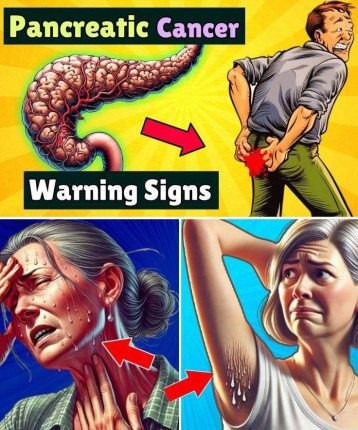
Pancreatic cancer is often called a “silent killer” because its early symptoms are subtle, vague, and easy to dismiss. By the time many people notice something is seriously wrong, the disease may already be advanced. That’s why recognizing the early warning signs—even the ones that seem harmless—can make a life-saving difference.
While these symptoms do not automatically mean cancer, ignoring them for months can delay diagnosis and treatment. Here are eight shocking signs of pancreatic cancer you should never brush aside.
1. Unexplained Weight Loss
Losing weight without trying may sound like a blessing, but when it happens suddenly and without changes in diet or activity, it’s a red flag. Pancreatic cancer can interfere with digestion and appetite, making it hard for the body to absorb nutrients properly.
If you lose more than 5–10% of your body weight over a short period for no clear reason, it’s time to speak with a doctor.
2. Persistent Upper Abdominal or Back Pain
Pain from the pancreas often starts in the upper abdomen and may radiate to the middle or lower back. This pain can feel dull, deep, or burning and often worsens after eating or when lying down.
Many people mistake it for muscle strain, indigestion, or spine problems—allowing the real cause to go unchecked.
3. Yellowing of the Skin or Eyes (Jaundice)
Jaundice is one of the most recognizable signs of pancreatic cancer, especially when a tumor blocks the bile duct. This causes bile to build up in the body, leading to:
-
Yellow skin or eyes
-
Dark urine
-
Pale or clay-colored stools
-
Itchy skin
Importantly, jaundice can appear without pain, which often delays medical attention.
4. Sudden Onset of Diabetes
The pancreas plays a key role in insulin production. In some cases, pancreatic cancer damages insulin-producing cells, causing new-onset diabetes, particularly in adults over 50 with no family history.
If diabetes appears suddenly and is accompanied by weight loss or digestive problems, further investigation is essential.
5. Digestive Problems That Don’t Go Away
Because the pancreas produces digestive enzymes, cancer can disrupt digestion, leading to:
-
Chronic bloating
-
Greasy or floating stools
-
Diarrhea
-
Indigestion that doesn’t improve with medication
These symptoms are often misdiagnosed as acid reflux, IBS, or food intolerance.
6. Loss of Appetite or Feeling Full Quickly
A sudden lack of interest in food—or feeling full after just a few bites—can be an early warning sign. Tumors can press on nearby organs or affect digestive hormone signals, reducing appetite.
Persistent appetite loss should never be ignored, especially when paired with fatigue or weight loss.
7. Extreme Fatigue and Weakness
Cancer-related fatigue is not ordinary tiredness. It doesn’t improve with rest and may feel overwhelming. Pancreatic cancer can cause fatigue due to inflammation, poor nutrition, anemia, or metabolic changes.
When fatigue becomes constant and unexplained, it deserves medical evaluation.
8. Blood Clots or Swelling in the Legs
Unexpected blood clots—especially deep vein thrombosis (DVT)—can sometimes be an early sign of pancreatic cancer. Symptoms may include:
-
Leg pain or swelling
-
Warmth or redness in the limb
-
Sudden shortness of breath (if a clot travels to the lungs)
While blood clots have many causes, unexplained clots warrant further investigation.
Why Pancreatic Cancer Is Often Missed Early
Pancreatic cancer symptoms overlap with many common conditions like gastritis, gallstones, back pain, or diabetes. Because of this, people often delay seeking care—or are treated for something else first.
Early detection significantly improves treatment options and outcomes.
When to See a Doctor
You should seek medical attention if you experience:
-
Multiple symptoms at once
-
Symptoms lasting longer than 2–3 weeks
-
Symptoms worsening over time
-
A family history of pancreatic cancer
Doctors may use blood tests, imaging scans, or specialized pancreatic evaluations to rule out serious conditions.
Final Thoughts
Most people with these symptoms do not have pancreatic cancer, but awareness saves lives. Listening to your body—and acting early—can make all the difference.
If something feels “off” and doesn’t resolve, trust that instinct and get checked. Early action is not fear—it’s prevention.
