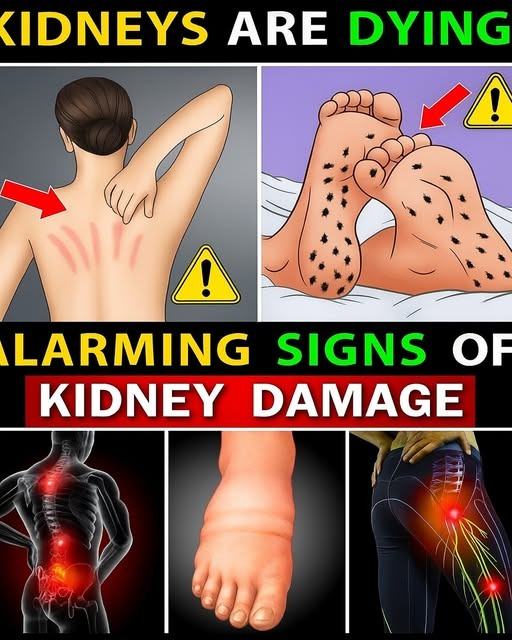
9 Warning Signs Your Kidneys Are Failing | Tests to Avoid Dialysis
Your kidneys are small, bean-shaped organs, but they play a massive role in keeping you alive. They filter waste from the blood, regulate fluids, balance minerals, and help control blood pressure. The frightening part? Kidney disease often develops silently. Many people don’t realize their kidneys are failing until the damage is severe—and dialysis becomes the only option.
Recognizing early warning signs and getting the right tests in time can help slow or even stop progression. Here are nine warning signs your kidneys may be failing, followed by essential tests that can help prevent dialysis.
1. Persistent Fatigue and Weakness
Failing kidneys cannot remove toxins effectively, allowing waste to build up in the blood. This leads to constant tiredness, weakness, and lack of energy. Many people mistake this for stress or aging, but unexplained fatigue may signal declining kidney function.
2. Changes in Urination
Your urine tells a powerful story about kidney health. Warning signs include:
- Urinating more often at night
- Foamy or bubbly urine (a sign of protein leakage)
- Dark, cloudy, or bloody urine
- Producing very little urine
Any persistent change should never be ignored.
3. Swelling in Feet, Ankles, Hands, or Face
When kidneys fail to remove excess sodium and fluids, swelling—also called edema—occurs. Puffy eyes in the morning or tight shoes by evening are common early clues.
4. Shortness of Breath
Fluid buildup can reach the lungs when kidney function declines, making breathing difficult. Additionally, kidney-related anemia reduces oxygen in the blood, worsening breathlessness.
5. Itchy, Dry Skin
Healthy kidneys balance minerals and nutrients. When they fail, imbalances can cause intense itching, dry skin, and irritation—often a sign of advanced kidney disease.
6. Loss of Appetite and Nausea
Waste accumulation in the bloodstream affects digestion. Symptoms may include nausea, vomiting, metallic taste in the mouth, and loss of appetite. Many people experience unexplained weight loss as well.
7. Muscle Cramps
Electrolyte imbalances—especially low calcium or high phosphorus—can cause frequent muscle cramps, especially at night. This often occurs when kidney disease is progressing.
8. Difficulty Concentrating or Dizziness
Toxin buildup and anemia reduce oxygen flow to the brain, leading to poor concentration, memory issues, and dizziness. These symptoms are frequently overlooked but can be kidney-related.
9. High Blood Pressure That’s Hard to Control
Kidneys help regulate blood pressure. When they are damaged, blood pressure rises—and high blood pressure further damages kidneys, creating a dangerous cycle. Resistant hypertension is a major red flag.
Tests That Can Help Prevent Dialysis
Early detection is the key to avoiding dialysis. These tests help identify kidney problems before irreversible damage occurs:
1. Blood Creatinine Test
Creatinine is a waste product filtered by the kidneys. Elevated levels indicate reduced kidney function.
2. Estimated Glomerular Filtration Rate (eGFR)
This is one of the most important tests. It estimates how well your kidneys are filtering blood. An eGFR below 60 for three months or more signals chronic kidney disease.
3. Urine Albumin-to-Creatinine Ratio (UACR)
This test detects protein leakage in urine—often the earliest sign of kidney damage, especially in diabetics and people with high blood pressure.
4. Urinalysis
A simple urine test can reveal blood, protein, or infection, providing early warning of kidney issues.
5. Blood Pressure Monitoring
Consistently high readings damage kidneys over time. Keeping blood pressure under control is essential for prevention.
6. Blood Sugar Testing
Diabetes is the leading cause of kidney failure worldwide. Regular glucose and HbA1c testing helps protect kidney health.
7. Kidney Ultrasound
Imaging tests show kidney size, structure, cysts, or blockages, helping doctors identify chronic damage or obstruction
How to Protect Your Kidneys Naturally
- Stay well hydrated
- Limit salt and processed foods
- Control blood sugar and blood pressure
- Avoid overuse of painkillers
- Maintain a healthy weight
- Get regular kidney function tests if you’re high-risk
Final Thoughts
Kidney failure doesn’t happen overnight. Your body sends warning signals long before dialysis becomes necessary—but only if you listen. Early testing, lifestyle changes, and medical care can slow or stop kidney disease progression.
If you notice even one of these symptoms, don’t ignore it. Protecting your kidneys today could save you from dialysis tomorrow.
