 Skip to content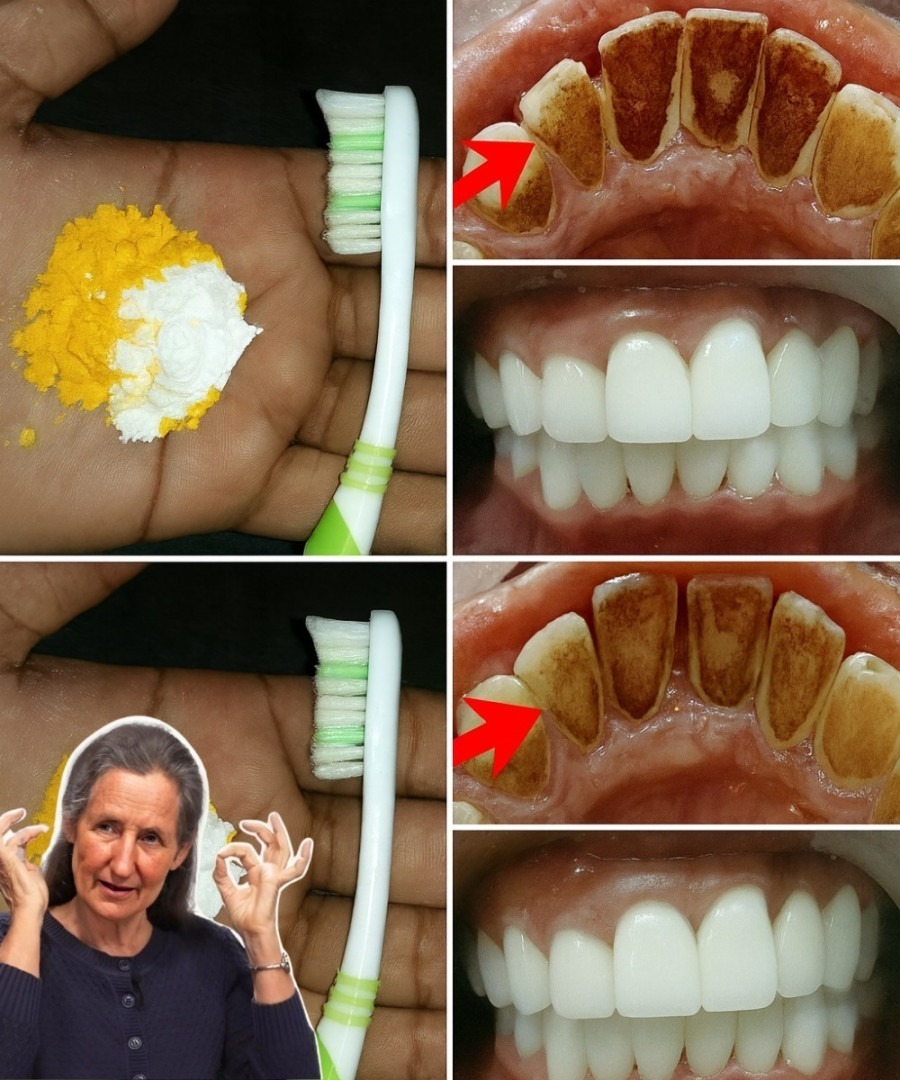
A bright, confident smile can instantly boost how you look and feel. It’s no surprise that teeth whitening is one of the most popular cosmetic routines people try at home. Busy schedules, rising dental costs, and the desire for quick results have fueled interest in fast, DIY whitening methods—some claiming visible results in as little as two minutes. But what really works, what’s safe, and how can you brighten your smile without damaging your enamel?
This comprehensive guide breaks down the science of tooth discoloration, explains what “2-minute whitening” actually means, and shows you the safest, most effective ways to whiten your teeth at home.
Why Teeth Lose Their Whiteness
Before whitening, it helps to understand why teeth darken in the first place. Tooth discoloration usually falls into two categories:
1. Extrinsic stains
These are surface stains caused by foods and habits, such as:
- Coffee, tea, and red wine
- Dark sodas and colored juices
- Smoking or chewing tobacco
- Certain spices and sauces
Extrinsic stains are the easiest to improve at home.
2. Intrinsic discoloration
These stains occur inside the tooth and may be caused by:
- Aging and enamel thinning
- Certain medications
- Excess fluoride exposure during childhood
- Tooth trauma
Intrinsic stains are harder to change and usually require professional treatment.
Most “2-minute whitening” methods focus on lifting surface stains, not changing the natural color of the tooth itself.
What “2-Minute Whitening” Really Means
Let’s be clear: no safe home method can permanently transform deeply yellow teeth into movie-star white in two minutes. However, you can noticeably brighten your smile by removing surface stains and buildup in a very short time.
Think of it like polishing silver—sometimes the shine was always there, just hidden.
Safe and Effective 2-Minute Whitening Options
1. Whitening Toothpaste (Fastest Daily Option)
Modern whitening toothpastes contain mild abrasives and stain-lifting agents that work quickly.
How it helps
- Polishes away surface stains
- Improves brightness immediately
- Safe for daily use when enamel-friendly
How to use
- Use a soft-bristle toothbrush
- Brush gently for 2 minutes
- Don’t scrub aggressively—pressure doesn’t equal better whitening
Best for: Coffee, tea, and food stains
2. Baking Soda Boost (Occasional Use)
Baking soda is mildly abrasive and alkaline, helping to neutralize acids and lift stains.
How to use
- Mix a pinch of baking soda with water or toothpaste
- Brush gently for 1–2 minutes
- Rinse thoroughly
Important:
Limit this to once or twice a week to protect enamel.
3. Hydrogen Peroxide Mouth Rinse (Short Contact)
Hydrogen peroxide is a common whitening ingredient used by dentists—but concentration matters.
How to use safely
- Use 3% hydrogen peroxide (never stronger)
- Dilute with equal parts water
- Swish for 30–60 seconds only
- Rinse with plain water afterward
This can give a quick brightening effect by breaking down stain molecules.
4. Whitening Strips (Quick Visual Results)
Many over-the-counter whitening strips show visible improvement after just one short use.
Why they work
- Contain low, safe doses of peroxide
- Designed to sit directly on the tooth surface
Time factor
- Some strips are worn for 5–10 minutes
- Initial brightness can appear quickly, especially on surface stains
Always follow package instructions carefully.
Natural Methods: What Helps and What to Avoid
Helpful (When Used Correctly)
Strawberries
Contain malic acid, which may help loosen surface stains. Mash and mix with baking soda for occasional use.
Oil pulling (coconut oil)
May reduce plaque and improve overall cleanliness, which can enhance brightness over time—not instant whitening.
Methods to Avoid
Some popular online hacks can damage enamel and worsen discoloration:
- Lemon juice or vinegar (too acidic)
- Charcoal used aggressively or daily
- Scraping teeth with sharp objects
If it hurts or feels harsh, stop immediately.
How to Keep Teeth White After Whitening
Getting a brighter smile is only half the battle—maintaining it matters just as much.
Daily habits
- Brush twice a day
- Floss daily to prevent plaque buildup
- Rinse mouth with water after coffee or tea
Smart eating
- Use a straw for dark beverages
- Eat crunchy fruits and vegetables (apples, carrots)
- Limit smoking and sugary drinks
Regular care
- Replace toothbrush every 3 months
- Schedule routine dental cleanings
Is Home Whitening Safe?
For most people, gentle, enamel-friendly methods are safe when used correctly. However, you should be cautious if you have:
- Sensitive teeth
- Gum disease
- Worn enamel
- Dental restorations (crowns don’t whiten)
If you experience pain, burning, or increased sensitivity, stop and consult a dental professional.
Setting Realistic Expectations
A brighter smile in two minutes is usually about revealing your teeth’s natural color, not changing it completely. True whitening is a gradual process, but quick polishing methods can:
- Instantly improve brightness
- Remove dull film and stains
- Make teeth look cleaner and healthier
Consistency and gentle care always beat aggressive shortcuts.
Final Thoughts
Home teeth whitening doesn’t have to be complicated, expensive, or risky. With the right approach, you can refresh your smile in just a couple of minutes by safely removing surface stains and boosting natural shine. Focus on methods that respect your enamel, avoid harsh DIY tricks, and build habits that keep your teeth bright long-term.
A confident smile isn’t about blinding white teeth—it’s about healthy, clean, and well-cared-for ones. 😊