 Skip to content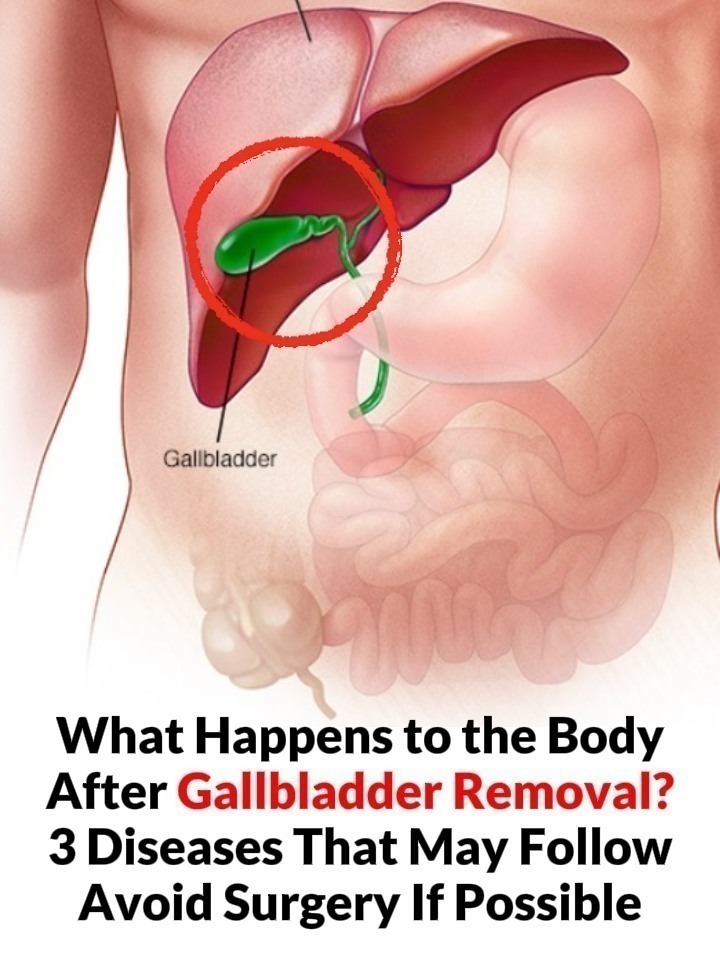
Gallbladder removal surgery, medically known as cholecystectomy, is one of the most commonly performed operations worldwide. Doctors often recommend it for gallstones, inflammation, or gallbladder dysfunction. For many people, the surgery is lifesaving and necessary. However, what’s rarely discussed in depth are the long-term consequences that can appear months or even years after the gallbladder is removed.
The gallbladder may be small, but it plays an important role in digestion—especially fat digestion. When it’s removed, your body must adapt, and sometimes that adaptation doesn’t go smoothly. Below are three conditions that can develop after gallbladder removal, and why doctors increasingly agree that surgery should be avoided when possible and replaced with conservative treatment when safe.
1. Chronic Digestive Problems (Post-Cholecystectomy Syndrome)
One of the most common issues after gallbladder removal is a group of symptoms known as post-cholecystectomy syndrome.
Without a gallbladder, bile no longer gets stored and released in a controlled way. Instead, it drips continuously into the intestines. This can overwhelm the digestive system and lead to:
-
Chronic diarrhea
-
Bloating and gas
-
Nausea after meals
-
Fat intolerance
-
Abdominal cramping
Many people are surprised to find that their digestive issues worsen after surgery, rather than improve. Fatty foods become difficult to tolerate, forcing lifelong dietary restrictions.
In some cases, the constant flow of bile irritates the intestinal lining, leading to inflammation and malabsorption of nutrients. This can contribute to fat-soluble vitamin deficiencies (A, D, E, and K), weakening immunity and bone health over time.
2. Increased Risk of Acid Reflux and Bile Reflux
Another under-recognized consequence of gallbladder removal is bile reflux, which differs from common acid reflux.
When bile flows uncontrollably into the digestive tract, it can travel backward into the stomach and even the esophagus. This may cause:
-
Persistent heartburn
-
Burning pain in the chest or throat
-
Bitter taste in the mouth
-
Chronic gastritis
Unlike acid reflux, bile reflux does not respond well to standard antacids, making it difficult to treat. Over time, bile reflux can damage the stomach lining and increase the risk of ulcers and esophageal inflammation.
Many patients are told their symptoms are “normal” after surgery, but persistent reflux can seriously reduce quality of life and may require long-term medication.
3. Higher Risk of Metabolic and Liver Issues
The gallbladder helps regulate how bile interacts with fats and cholesterol. Once it’s removed, this regulation is lost, which may contribute to metabolic changes in the body.
Studies have found associations between gallbladder removal and increased risk of:
-
Fatty liver disease
-
Insulin resistance
-
Weight gain
-
Elevated cholesterol levels
Because bile plays a role in breaking down fats, its constant flow can disrupt normal fat metabolism. Over time, excess fat may accumulate in the liver, leading to non-alcoholic fatty liver disease (NAFLD).
This condition often develops silently but increases the risk of liver inflammation, fibrosis, and long-term liver damage.
Why Gallbladder Surgery Should Be Avoided When Possible
It’s important to be clear: gallbladder removal is sometimes absolutely necessary, especially in cases of infection, blockage, or severe complications. However, many surgeries are performed for mild or moderate gallstones that are not life-threatening.
In such cases, conservative approaches may be worth exploring first, including:
-
Dietary changes (reducing refined fats and sugars)
-
Gradual weight loss (rapid weight loss worsens gallstones)
-
Managing cholesterol levels
-
Medical monitoring instead of immediate surgery
Once the gallbladder is removed, there is no going back. The digestive system is permanently altered, and not everyone adapts well.
More doctors now emphasize individualized decision-making, weighing symptom severity, overall health, and long-term consequences rather than treating gallbladder removal as a routine fix.
The Bottom Line
The gallbladder may not be essential for survival, but it is important for digestive balance. Removing it can lead to chronic digestive problems, bile reflux, and metabolic changes that affect health for years.
If you’re facing the decision of gallbladder surgery, it’s wise to ask:
-
Is surgery truly necessary right now?
-
Are there safe alternatives?
-
What are the long-term consequences for my digestion and metabolism?
Avoiding surgery when possible isn’t about fear—it’s about protecting your body’s natural systems and making informed, thoughtful choices about your health.