 Skip to content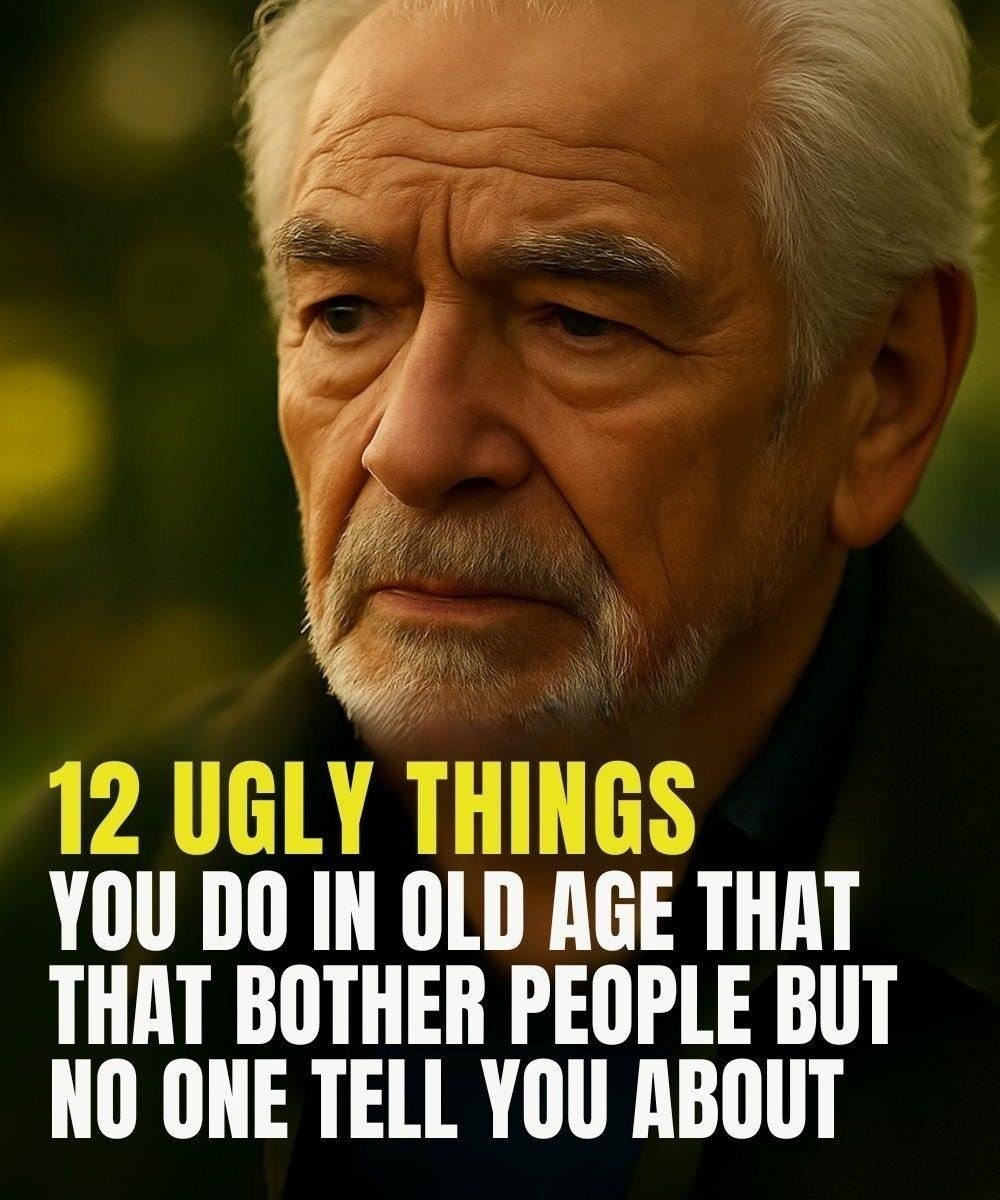
12 Habits That Can Hold People Back in Old Age (And How to Change Them)
Aging doesn’t automatically mean slowing down, losing independence, or feeling left behind. In many cases, it’s not age itself—but long-standing habits—that quietly hold people back in later life. The good news? Habits can be changed at any age. By recognizing what’s limiting you and making small, intentional shifts, growing older can become a time of strength, clarity, and renewed purpose.
Here are 12 common habits that can hold people back in old age—and practical ways to change them.
1. Avoiding Physical Activity
The problem: Many older adults believe exercise is dangerous or unnecessary.
Why it holds you back: Lack of movement weakens muscles, stiffens joints, and increases fall risk.
How to change it: Start small—daily walks, gentle stretching, or chair exercises. Consistency matters more than intensity.
2. Clinging to “I’m Too Old” Thinking
The problem: Negative self-talk about aging.
Why it holds you back: The brain believes what it hears, reducing motivation and confidence.
How to change it: Replace limiting beliefs with facts: learning, growth, and improvement are possible at any age.
3. Poor Sleep Habits
The problem: Irregular sleep schedules or too much daytime napping.
Why it holds you back: Poor sleep affects memory, mood, immunity, and heart health.
How to change it: Maintain a fixed bedtime, limit screens at night, and get morning sunlight exposure.
4. Social Withdrawal
The problem: Gradually avoiding social interactions.
Why it holds you back: Loneliness increases the risk of depression, dementia, and early mortality.
How to change it: Schedule regular calls, join community groups, or volunteer—connection is medicine.
5. Ignoring Preventive Healthcare
The problem: Only seeing doctors when something feels wrong.
Why it holds you back: Many serious conditions develop silently.
How to change it: Keep up with routine checkups, screenings, and vaccinations.
6. Unhealthy Eating Patterns
The problem: Skipping meals or relying on processed foods.
Why it holds you back: Poor nutrition accelerates muscle loss, fatigue, and chronic disease.
How to change it: Focus on whole foods—vegetables, fruits, lean proteins, healthy fats, and hydration.
7. Fear of Technology
The problem: Avoiding smartphones, apps, or the internet.
Why it holds you back: Technology enables connection, safety, learning, and independence.
How to change it: Learn one tool at a time—video calls, online banking, or health apps.
8. Refusing Help
The problem: Viewing assistance as weakness.
Why it holds you back: Struggling alone increases stress and injury risk.
How to change it: Accept help as a strategy for independence, not a loss of it.
9. Living in the Past
The problem: Constantly reminiscing while ignoring the present.
Why it holds you back: It reduces engagement and joy in daily life.
How to change it: Create new routines, hobbies, and experiences—even small ones.
10. Chronic Stress and Worry
The problem: Constant anxiety about health, money, or the future.
Why it holds you back: Stress weakens immunity, worsens memory, and raises blood pressure.
How to change it: Practice breathing exercises, prayer, meditation, or journaling.
11. Lack of Purpose
The problem: Feeling “done” with meaningful contributions.
Why it holds you back: Purpose is strongly linked to longevity and mental health.
How to change it: Mentor others, care for grandchildren, teach skills, or pursue creative passions.
12. Resisting Change
The problem: “I’ve always done it this way.”
Why it holds you back: Life evolves—resistance leads to frustration and isolation.
How to change it: Approach change with curiosity instead of fear. Flexibility keeps the mind young.
Final Thoughts
Old age doesn’t have to mean decline—it can be a powerful chapter of wisdom, freedom, and growth. The key lies in awareness and willingness to adapt. Changing even one habit can dramatically improve quality of life. It’s never too late to move better, think differently, connect deeper, and live fully.