 Skip to content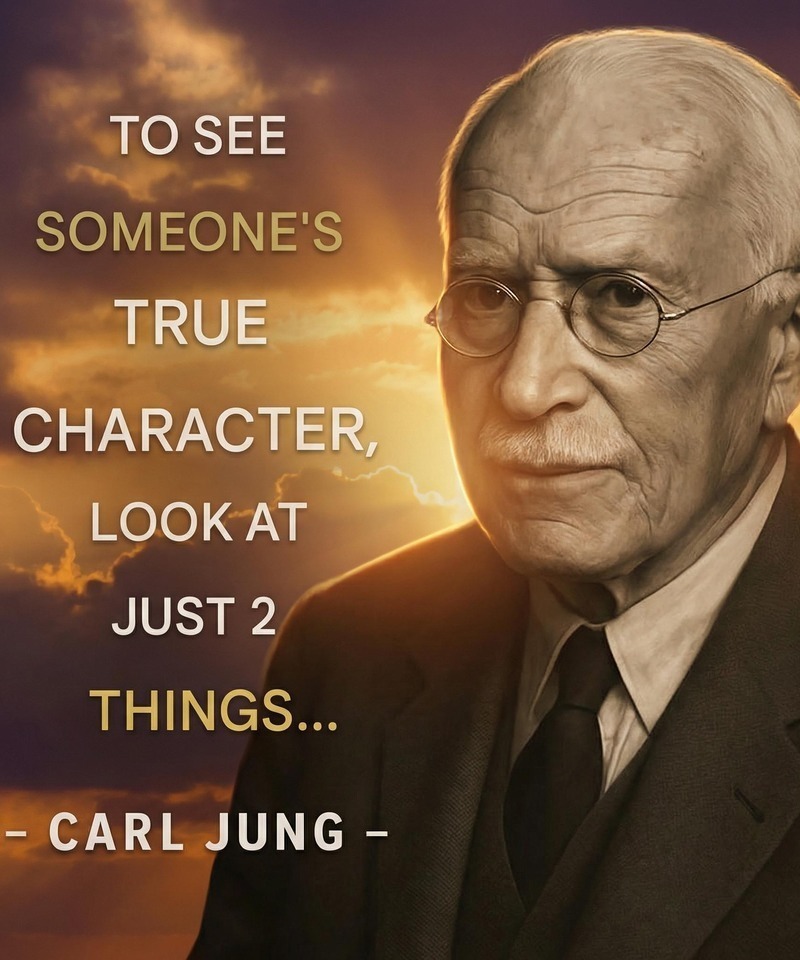
We often think we know people because we’ve heard their stories, seen their smiles, or shared a few good moments with them. But true character isn’t revealed in what someone says about themselves—it’s revealed in what they do, especially when there’s nothing to gain. If you really want to understand who someone is at their core, you don’t need long explanations or dramatic tests. You only need to observe two simple but powerful things.
These two observations cut through charm, excuses, and appearances. They reveal integrity, empathy, and emotional maturity more accurately than words ever could.
1. How They Treat People Who Can Do Nothing for Them
This is perhaps the clearest mirror of someone’s character.
Watch how a person treats waiters, cleaners, drivers, receptionists, or anyone they consider “below” them socially or professionally. These interactions often happen quickly and casually, which is exactly why they’re so honest. There’s no performance, no image to maintain—just instinct.
A person with strong character treats everyone with basic respect, regardless of status. They say “please” and “thank you.” They listen without interrupting. They don’t humiliate, mock, or dismiss others just because they can get away with it.
On the other hand, someone who is rude, impatient, or condescending to people who have no power over them is showing you something important. Even if they are kind to friends, family, or people who can benefit them, this behavior is a red flag. It suggests their kindness is conditional, not genuine.
True character shows up when there is no reward for being decent.
This also applies to how people talk about others when they’re not present. Do they gossip? Do they tear others down to feel superior? Or do they show restraint and fairness? People who speak cruelly about others behind their backs are often doing the same about you when you’re not around.
Respect is not selective. If it is, it’s not respect—it’s strategy.
2. How They Act When Things Don’t Go Their Way
The second powerful indicator of true character is how someone responds to discomfort, disappointment, or failure.
Anyone can be kind when life is easy. Anyone can smile when they’re winning. But pressure changes people. Frustration removes filters. Stress exposes emotional habits that are usually hidden.
Observe how someone behaves when plans fall apart, when they’re told “no,” when they lose, or when they’re criticized.
Do they take responsibility for their mistakes, or do they immediately blame others?
Do they stay calm, or do they become aggressive, sarcastic, or cruel?
Do they reflect and grow, or do they repeat the same patterns while making excuses?
A person of strong character understands that setbacks are part of life. They may feel disappointed, but they don’t lash out. They don’t humiliate others to protect their ego. They don’t rewrite reality to avoid accountability.
In contrast, someone who explodes at small inconveniences, plays the victim constantly, or refuses to admit fault is revealing emotional immaturity. Over time, this behavior becomes exhausting and damaging to everyone around them.
How someone handles stress tells you how safe it is to be close to them.
Why These Two Things Matter So Much
Together, these two observations—how someone treats the powerless and how they handle adversity—paint a remarkably accurate picture of who they truly are.
They show you:
-
Their level of empathy
-
Their emotional regulation
-
Their sense of responsibility
-
Their moral compass
Importantly, these traits don’t change easily. People can adjust their words, their image, and their social media presence. But their default reactions—especially under pressure—are deeply ingrained.
That’s why these two things are more reliable than charm, success, intelligence, or popularity.
A Quiet Reminder for Yourself
There’s another layer to this insight that’s worth reflecting on: these same two rules apply to you.
How do you treat people who can’t benefit you?
How do you react when life doesn’t go as planned?
Self-awareness grows when we turn the lens inward. Character isn’t about being perfect; it’s about being conscious, accountable, and willing to improve.
Final Thoughts
If you’re trying to decide who to trust, who to keep close, or who to build a future with, don’t overanalyze words or promises. Observe behavior. Quietly. Consistently.
Watch how they treat those who have nothing to offer them.
Watch how they respond when things go wrong.
In those moments—small, ordinary, and often overlooked—you’ll see the truth.