 Skip to content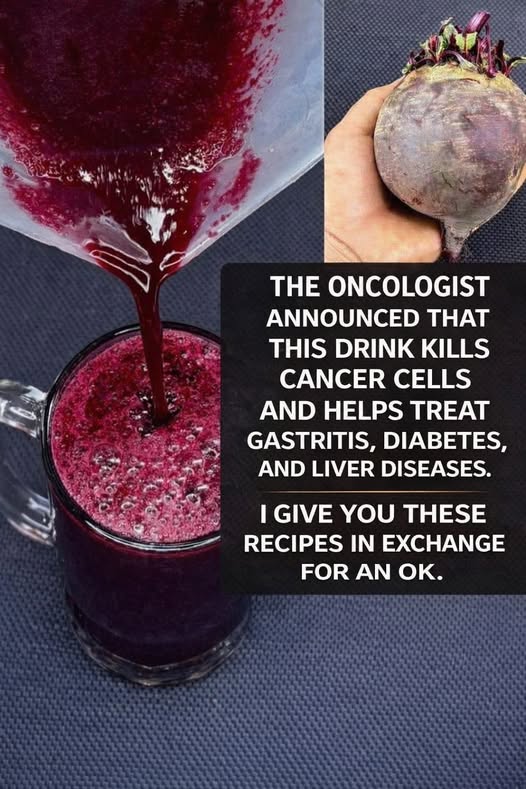
Beetroot juice is rich in betalains, nitrates, polyphenols, vitamin C, folate, iron, and potassium. These nutrients play essential roles in cellular protection, oxygen delivery, and inflammation control.
The deep red color of beetroot comes from betalains, potent antioxidants known for their anti-inflammatory and detoxifying properties. Antioxidants help neutralize free radicals—unstable molecules that can damage DNA and contribute to cancer development over time.
What Research Shows About Beetroot and Cancer Cells
Laboratory studies (in test tubes and animal models) have shown that beetroot extracts can:
-
Slow the growth of certain cancer cells
-
Trigger apoptosis (programmed cell death) in damaged cells
-
Reduce oxidative stress that contributes to tumor progression
However, these effects do not mean beetroot juice cures cancer in humans. Clinical trials in people are limited, and cancer is far too complex to be eliminated by a single food or drink.
What beetroot juice may do is help create an internal environment that is less favorable to cancer growth.
Why the “42 Days” Claim Exists
The idea of 42 days likely comes from observations that cellular markers such as inflammation, blood flow, and antioxidant levels can improve within 4–6 weeks of consistent dietary changes. Drinking beetroot juice daily for about 40 days may:
-
Improve oxygen delivery to tissues
-
Enhance liver detoxification pathways
-
Support immune cell activity
-
Reduce chronic inflammation
These changes support overall health, which is critical for people undergoing cancer treatment—but they do not replace chemotherapy, radiation, or surgery.
Beetroot Juice and Detoxification
Beetroot supports the liver, the body’s main detox organ. A well-functioning liver helps process toxins, hormones, and waste products that could otherwise contribute to cellular damage.
Compounds in beetroot stimulate phase II liver enzymes, which help neutralize harmful substances. This detox support is one reason beetroot juice is often recommended for people recovering from illness or supporting long-term health.
Immune System Support Matters
Cancer progression is closely tied to immune function. Beetroot juice provides nutrients that:
-
Support white blood cell activity
-
Improve circulation, allowing immune cells to move efficiently
-
Reduce inflammation that weakens immune responses
A stronger immune system helps the body recognize and control abnormal cells more effectively.
Benefits for Cancer Patients (With Medical Care)
For individuals undergoing cancer treatment, beetroot juice may help:
-
Reduce fatigue by improving blood oxygenation
-
Support appetite and digestion
-
Improve cardiovascular health
-
Counteract treatment-related inflammation
Doctors often emphasize nutrition as a supportive therapy, not a cure. Beetroot juice fits into this supportive role when approved by a healthcare provider.
How to Drink Beetroot Juice Safely
If you choose to include beetroot juice in your routine:
-
Limit to ½–1 cup per day
-
Drink fresh or cold-pressed juice
-
Combine with carrot, apple, or ginger to improve taste and digestion
-
Avoid excessive intake if you have kidney stones due to oxalates
Always consult a doctor if you are on medication or cancer treatment.
The Bottom Line
Beetroot juice does not kill cancer cells in 42 days. But it can support the body’s natural defense systems, reduce inflammation, improve circulation, and contribute to overall wellness when consumed consistently.
True cancer care requires medical treatment, early detection, and professional guidance. Natural foods like beetroot juice work best as allies, not miracle cures.
When it comes to health, the real power lies not in viral promises—but in informed, balanced choices made over time 💡