 Skip to content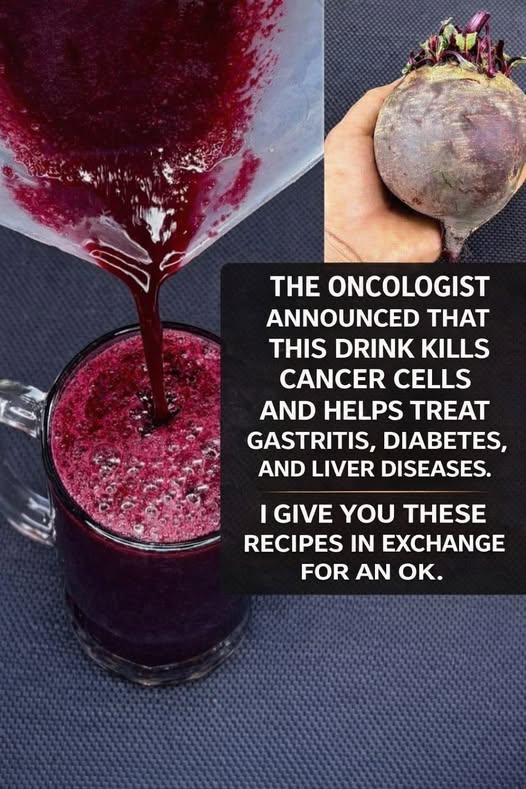
ALERT: The Truth About Beetroot Juice and Cancer — What Science Really Says
Beetroot juice has exploded in popularity across health blogs and social media, often promoted as a powerful natural cure. One alarming claim repeatedly circulates online: “Beetroot juice kills cancer cells in 42 days.” While eye-catching, this statement is scientifically inaccurate. However, dismissing beetroot altogether would also be a mistake. The truth lies in a more nuanced, evidence-based understanding of what beetroot juice can—and cannot—do for human health.
Where Did the Cancer Claim Come From?
Much of the confusion stems from laboratory studies, where beetroot compounds were tested on cancer cells in petri dishes, not in human bodies. In these controlled environments, certain beetroot components showed the ability to slow cancer cell growth or trigger cell death mechanisms. While promising, these findings do not translate directly to curing cancer in humans.
Cancer is a complex disease influenced by genetics, immune response, environment, and medical treatment. No single food or juice can “kill cancer cells” in a specific number of days.
What Beetroot Juice Actually Contains
Beetroot is rich in bioactive compounds that are genuinely beneficial:
-
Betalains – powerful antioxidants responsible for beetroot’s deep red color
-
Nitrates – improve blood flow and oxygen delivery
-
Vitamin C – supports immune function
-
Folate (B9) – essential for DNA repair and cell function
-
Polyphenols – help reduce oxidative stress
These compounds support overall health, which is critical for disease prevention and recovery—but they are not cancer cures.
Beetroot Juice and Cancer Prevention
While beetroot juice does not kill cancer cells on its own, research suggests it may help reduce cancer risk in several ways:
1. Fighting Oxidative Stress
Oxidative stress damages DNA and can contribute to cancer development. Beetroot’s antioxidants help neutralize free radicals, reducing cellular damage over time.
2. Supporting Liver Detoxification
The liver plays a key role in removing toxins that may contribute to cancer. Beetroot compounds support liver enzymes involved in detoxification processes.
3. Reducing Chronic Inflammation
Chronic inflammation is linked to many cancers. Beetroot’s anti-inflammatory properties may help lower this long-term risk factor.
What Studies Actually Show
Scientific studies indicate that beetroot extracts can:
-
Inhibit cancer cell growth in laboratory settings
-
Enhance antioxidant activity in the body
-
Support immune function during illness
However, no human clinical trials show that drinking beetroot juice alone can eliminate tumors or cure cancer within any timeframe—42 days or otherwise.
Can Beetroot Juice Help During Cancer Treatment?
Some cancer patients consume beetroot juice as a supportive dietary addition, under medical supervision, because it may:
-
Improve energy levels
-
Support blood health
-
Help manage treatment-related fatigue
-
Provide nutrients when appetite is low
Doctors emphasize that beetroot juice should never replace chemotherapy, radiation, surgery, or prescribed medication.
Potential Risks and Who Should Be Careful
Beetroot juice is not suitable for everyone:
-
High nitrate content may affect people with low blood pressure
-
Can worsen kidney stones due to oxalates
-
May interfere with certain medications
-
Excessive intake can strain digestion
Always consult a healthcare professional before using it regularly—especially during cancer treatment.
How to Consume Beetroot Juice Safely
If you choose to include beetroot juice in a healthy lifestyle:
-
Limit intake to ½–1 cup per day
-
Combine with other vegetables (carrot, apple, ginger)
-
Drink fresh, not sugary bottled versions
-
Use it as part of a balanced diet, not a treatment
The Bottom Line
🚨 Beetroot juice does not kill cancer cells in 42 days.
✔️ It does support overall health, reduce inflammation, and provide valuable antioxidants.
✔️ It may help the body stay stronger during illness—but it is not a cure.
Cancer requires evidence-based medical treatment. Natural foods like beetroot can be powerful allies, but only when used responsibly and realistically.