 Skip to content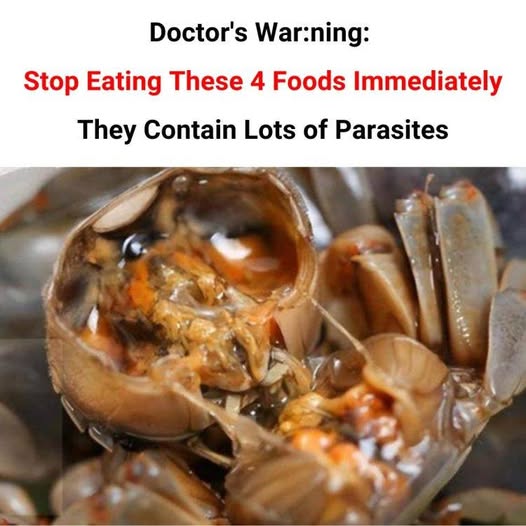
“Doctors Warn: Limit Eating These 4 Foods Immediately, They Contain a Lot of Parasites” — Why This Claim Is Spreading Online
In recent months, a dramatic headline has been circulating across social media, blogs, and messaging apps: “Doctors warn: Limit eating these 4 foods immediately, they contain a lot of parasites.” The statement is alarming, and that’s exactly why it spreads so fast. But is it really true? Are common foods secretly full of parasites, and are doctors actually warning people to stop eating them?
The short answer: the claim is misleading. While parasites do exist in nature and can be associated with certain foods, the viral posts exaggerate the risk and often leave out critical context. Let’s break down what’s really going on.
Why Parasite Fear Goes Viral So Easily
Parasites trigger a deep emotional reaction. The idea that something alive could be hiding in food taps into fear and disgust, making people more likely to click, share, and warn others. Online content creators often use this fear to drive traffic, using vague phrases like “doctors warn” without naming sources, studies, or medical organizations.
In reality, modern food safety practices dramatically reduce parasite risk, especially when food is properly handled and cooked.
The 4 Foods Most Often Mentioned — And the Truth Behind Them
1. Raw or Undercooked Meat
Raw beef, chicken, or pork is often listed first in these viral warnings. It’s true that undercooked meat can carry parasites, such as tapeworms or roundworms. However, this is not new information, nor is it a reason to “immediately stop eating meat.”
When meat is cooked to safe internal temperatures, parasites are destroyed. That’s why health authorities recommend proper cooking rather than complete avoidance.
The real risk comes from poor cooking and hygiene, not the meat itself.
2. Raw Fish and Sushi
Another common target is raw fish, especially sushi and sashimi. Some fish can naturally carry parasites like anisakis. However, what these viral posts fail to mention is that commercial sushi-grade fish is frozen before use, a process that kills parasites.
Eating raw fish from unregulated sources is risky, but consuming sushi from reputable establishments follows strict safety standards.
So no, doctors are not telling people to ban sushi — they’re advising smart sourcing.
3. Unwashed Fruits and Vegetables
This one is often misunderstood. Fruits and vegetables grown in soil can be exposed to microscopic organisms, including parasite eggs. But again, this doesn’t mean produce is “full of parasites.”
Washing fruits and vegetables thoroughly under running water greatly reduces risk. Peeling or cooking further minimizes it. Avoiding fresh produce altogether would actually harm health more than help it.
Ironically, viral posts warning against vegetables contradict decades of medical advice promoting plant-rich diets.
4. Unpasteurized Dairy Products
Unpasteurized milk and cheese are sometimes mentioned in parasite scare stories. While these products can carry harmful bacteria and, in rare cases, parasites, the risk depends heavily on production standards.
In many countries, pasteurization is mandatory, making store-bought dairy very safe. The issue is not dairy itself, but consuming unregulated, unprocessed products.
What Doctors Actually Say About Parasites in Food
Medical professionals do not issue blanket warnings to “stop eating” common foods. Instead, their advice is practical and consistent:
-
Cook meat thoroughly
-
Wash fruits and vegetables well
-
Freeze or properly prepare raw fish
-
Avoid unregulated animal products
-
Maintain good kitchen hygiene
Parasites are a known but manageable risk, not an invisible epidemic hiding in everyday meals.
Why These Claims Are Dangerous
Sensational headlines may attract attention, but they can also cause unnecessary fear, food anxiety, and poor dietary choices. Some people begin cutting out nutrient-rich foods, believing they’re protecting themselves, when in fact they’re harming their health.
Misinformation spreads faster than facts, especially when it sounds urgent and authoritative. The phrase “doctors warn” is often used without evidence to create false credibility.
The Bottom Line
Yes, parasites exist in nature. Yes, food safety matters. But no, doctors are not urging people to immediately stop eating everyday foods because they’re “full of parasites.”
The real message from health experts is calm, clear, and boring compared to viral headlines:
👉 Handle food properly.
👉 Cook it well.
👉 Wash it thoroughly.
There’s no secret list of forbidden foods — only smart habits that keep meals safe and healthy.
If a headline sounds terrifying and vague, that’s usually your cue to pause, not panic.