 Skip to content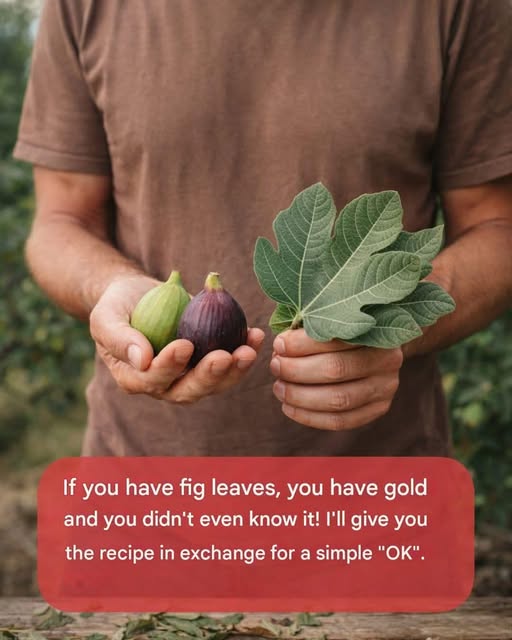
If You Have Fig Leaves, You Have Gold: A Powerful Traditional Recipe You Shouldn’t Ignore
Fig trees have been treasured for centuries, not only for their sweet fruit but also for their large, aromatic leaves. In many traditional cultures, fig leaves were never wasted. They were brewed, cooked, wrapped around foods, and even used in home remedies. Today, most people walk past fig leaves without realizing their value. If you have access to them, you’re sitting on something truly special.
One of the most popular and practical ways to use fig leaves is by making fig leaf tea, a simple traditional recipe that has been passed down through generations. This recipe is easy, affordable, and uses ingredients you may already have at home.
Why Fig Leaves Are So Special
Fig leaves are rich in natural plant compounds and have a mild, pleasant aroma—slightly coconut-like when cooked. Traditionally, they have been used to support digestion, balance routines, and add depth of flavor to food and drinks.
What makes fig leaves especially valuable is their versatility. They can be:
-
Brewed into tea
-
Used as natural food wraps
-
Added to baths for relaxation
-
Dried and stored for long-term use
But let’s start with the most popular and beginner-friendly method.
Fig Leaf Tea Recipe (Traditional Method)
Ingredients
-
2–3 fresh fig leaves (or 1 tablespoon dried fig leaves)
-
2 cups clean water
-
Optional: honey, lemon, or cinnamon
Step-by-Step Instructions
-
Choose the Right Leaves
Pick healthy, green fig leaves with no spots or damage. Younger leaves are softer and milder in taste, but mature leaves also work well. -
Wash Thoroughly
Rinse the leaves under running water to remove dust or residue. This step is important, especially if the tree is outdoors. -
Cut or Tear the Leaves
Tear the leaves into smaller pieces or cut them with a knife. This helps release their natural aroma and flavor during brewing. -
Boil the Water
Bring two cups of water to a gentle boil in a pot. -
Simmer the Leaves
Add the fig leaves to the boiling water. Reduce the heat and let them simmer for 10–15 minutes. The water will gradually change color and release a warm, herbal scent. -
Strain and Serve
Remove from heat, strain the liquid into a cup, and discard the leaves. -
Enhance the Flavor (Optional)
Add a teaspoon of honey, a squeeze of lemon, or a small cinnamon stick if desired.
How to Use Fig Leaf Tea
Traditionally, fig leaf tea is enjoyed:
-
Once a day, preferably in the evening
-
Warm, not boiling hot
-
As part of a calm daily routine
The taste is mild, slightly nutty, and very soothing—perfect for people who don’t like bitter herbal teas.
Bonus Use: Cooking with Fig Leaves
Fig leaves aren’t just for tea. In traditional kitchens, they are often used as natural wraps for food.
How to Use Fig Leaves for Cooking
-
Wash the leaves well
-
Blanch them briefly in hot water to soften
-
Wrap fish, rice, or vegetables inside
-
Steam or bake
This method adds a gentle aroma and keeps food moist, similar to banana leaves but with a unique flavor.
How to Dry and Store Fig Leaves
If you have many leaves, drying them is a smart move.
-
Wash and pat dry
-
Place in a shaded, airy spot
-
Let them dry completely (5–7 days)
-
Store in an airtight glass jar
Dried fig leaves can last up to one year and are perfect for tea anytime.
Important Tips and Precautions
-
Always use fig leaves from edible fig trees, not ornamental varieties
-
Avoid using leaves that have been sprayed with chemicals
-
If trying fig leaves for the first time, start small
-
Discontinue use if any irritation occurs
Natural doesn’t mean careless—respect the ingredient.
Final Thoughts
Fig leaves are one of those forgotten gifts of nature. They’re free, widely available in many regions, and incredibly versatile. Whether you brew them into a comforting tea or use them to elevate your cooking, fig leaves prove that sometimes the most valuable things are right in front of us.
So next time you see a fig tree, remember: those leaves aren’t waste—they’re gold 🌿💛