 Skip to content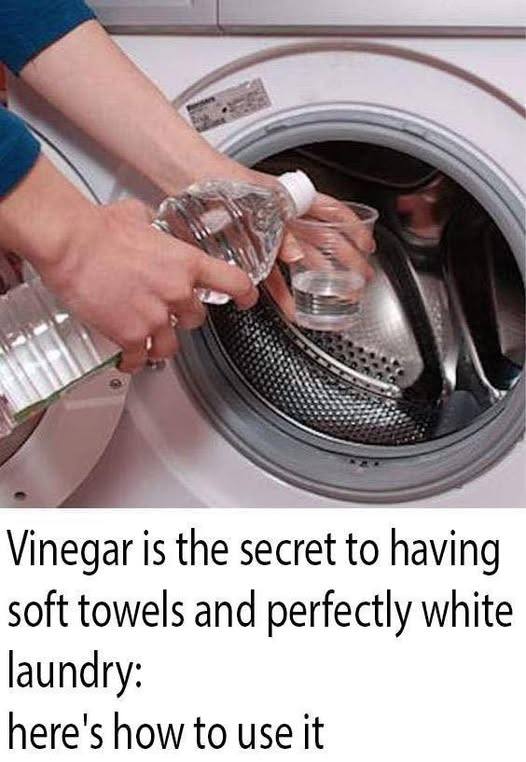
Why Washing Machines Need Regular Cleaning
Many people assume washing machines clean themselves. After all, they’re constantly filled with soap and water. But over time, detergent residue, fabric softener, hard-water minerals, mold, and bacteria quietly build up inside.
Common signs your washing machine needs cleaning include:
- Musty or sour odors
- Clothes that don’t smell fresh after washing
- Gray or greasy residue on fabrics
- Visible mold around the rubber seal (front loaders)
- Reduced cleaning performance
Regular cleaning not only improves hygiene but also extends the life of your machine and reduces costly repairs.
Why Vinegar Works So Well
White distilled vinegar is one of the most effective natural cleaners—and it’s especially useful for washing machines.
The science behind vinegar:
- Acetic acid dissolves mineral deposits like calcium and lime
- Breaks down soap scum and detergent residue
- Neutralizes odor-causing bacteria
- Inhibits mold and mildew growth
Unlike harsh chemical cleaners, vinegar is non-toxic, inexpensive, and widely available, making it ideal for routine maintenance.
What Type of Vinegar Should You Use?
Always use white distilled vinegar (5% acidity).
Do not use:
- Apple cider vinegar (can leave residue)
- Cleaning vinegar (too acidic for regular use)
- Flavored or colored vinegar (can stain components)
How to Clean a Top-Loading Washing Machine with Vinegar
What you’ll need:
- 2 to 4 cups white distilled vinegar
- Optional: ½ cup baking soda
- A microfiber cloth or sponge
Step-by-step method:
- Set the washer to the hottest water setting
Hot water helps vinegar dissolve buildup more effectively. - Add vinegar directly to the drum
Pour 2–4 cups of vinegar into the empty washer. - Start the longest wash cycle
Let the machine fill and agitate for a few minutes. - Pause and soak (optional but powerful)
Stop the cycle and allow the vinegar water to sit for 30–60 minutes. - Resume and finish the cycle
This flushes loosened residue through the system. - Optional deep clean with baking soda
Run a second hot cycle with ½ cup baking soda added to the drum.
This helps deodorize and remove lingering grime. - Wipe down surfaces
Use a vinegar-damp cloth to clean the lid, rim, and detergent dispensers.
How to Clean a Front-Loading Washing Machine with Vinegar
Front loaders require extra care due to rubber seals and moisture retention.
What you’ll need:
- 2 cups white vinegar
- Microfiber cloth
- Old toothbrush
Step-by-step method:
- Clean the rubber door gasket first
Dip a cloth in vinegar and thoroughly wipe inside the folds.
Use a toothbrush for stubborn mold spots. - Add vinegar to the detergent dispenser
Pour 2 cups of vinegar into the detergent tray. - Run the hottest, longest cycle
Choose a “drum clean” or “sanitize” setting if available. - Run an extra rinse cycle
This ensures all vinegar residue is flushed out. - Leave the door open afterward
Allow the interior to air-dry completely to prevent mold.
How Often Should You Clean Your Washing Machine?
For most households:
- Once a month for regular use
- Every 2 weeks if you wash heavily soiled clothes
- Monthly if you use liquid detergent or fabric softener frequently
Hard-water areas may require more frequent cleaning due to mineral buildup.
What Vinegar Can and Can’t Do
Vinegar is excellent for:
✔ Removing odors
✔ Dissolving mineral deposits
✔ Eliminating soap residue
✔ Preventing mold and mildew
Vinegar is not ideal for:
✘ Heavy grease buildup alone
✘ Severe mold infestations
✘ Machines with damaged rubber seals
In extreme cases, a manufacturer-approved cleaner may be necessary.
Common Mistakes to Avoid
1. Mixing vinegar and bleach
Never combine vinegar with bleach.
This creates toxic chlorine gas that is extremely dangerous.
2. Using vinegar too frequently
Excessive use (weekly for months) may weaken rubber hoses and seals over time. Stick to recommended intervals.
3. Skipping hot water
Cold water limits vinegar’s cleaning power and won’t dissolve mineral deposits effectively.
4. Ignoring detergent drawers
Detergent trays often harbor mold—always remove and soak them in vinegar water when possible.
Extra Tips to Keep Your Washing Machine Clean Longer
- Leave the door or lid open after every wash
- Use the correct amount of detergent (more is not better)
- Avoid frequent use of fabric softener
- Wipe the rubber seal weekly (front loaders)
- Run an empty hot cycle monthly
Is Vinegar Safe for Washing Machines?
When used correctly and in moderation, vinegar is safe for most modern machines. Many appliance manufacturers approve its occasional use for maintenance, though they often recommend alternating with machine-specific cleaners for long-term care.
If your washer is still under warranty, check the manufacturer’s guidelines to be safe.
Final Thoughts
Vinegar is a simple, powerful, and affordable solution for keeping your washing machine clean, fresh, and efficient. With just a few cups and a hot cycle, you can eliminate hidden grime, prevent unpleasant odors, and extend the life of your appliance—without harsh chemicals.
Used wisely, vinegar isn’t just a kitchen staple—it’s one of the most effective washing machine cleaners you already own.