 Skip to content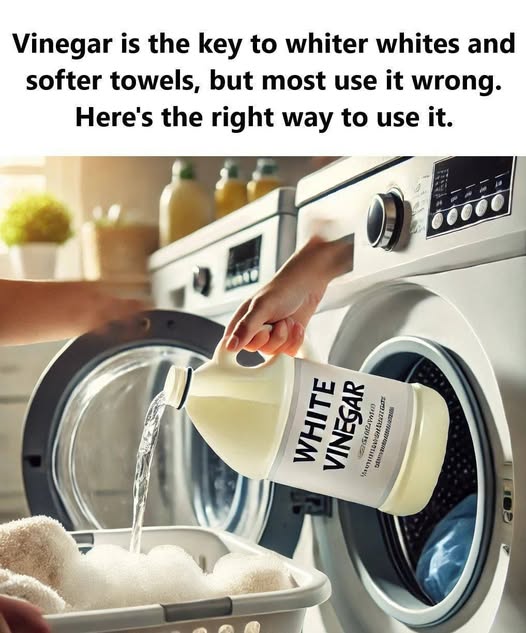
Walk into almost any home and you’ll find a bottle of white vinegar sitting quietly in the kitchen. Most people know it as a cooking ingredient or a basic cleaning liquid. But here’s the twist: vinegar is also one of the most powerful, affordable, and fabric-safe laundry helpers you can use.
The problem? Most people use it the wrong way, which is why they never see the full results. When used correctly, vinegar can make whites noticeably brighter, towels incredibly soft, and clothes fresher—without harsh chemicals or expensive additives.
Let’s break down what vinegar really does in laundry, where people go wrong, and the right way to use it for maximum effect.
Why Vinegar Works in Laundry
White distilled vinegar is mildly acidic. That acidity is exactly what makes it effective in washing clothes.
Here’s what it does:
-
Dissolves mineral buildup from hard water
-
Breaks down detergent residue trapped in fabric fibers
-
Neutralizes odors instead of masking them
-
Softens fabric naturally without coating it
Unlike commercial fabric softeners, vinegar doesn’t leave a waxy film behind. That’s especially important for towels, which lose absorbency when coated with softener residue.
The Biggest Mistakes People Make
Before we get to the right method, let’s talk about the common mistakes that stop vinegar from working.
1. Pouring Vinegar Directly on Clothes
This can weaken fibers over time and cause uneven fading, especially on dark fabrics.
2. Mixing Vinegar with Detergent
Detergent is alkaline. Vinegar is acidic. When you mix them, they cancel each other out—meaning neither works properly.
3. Using Too Much Vinegar
More is not better. Excess vinegar can make clothes stiff and may damage rubber parts in the washer over long-term use.
4. Expecting Instant Results
Vinegar works gradually by removing buildup. Heavily treated fabrics may need several washes to fully recover.
The Right Way to Use Vinegar for Whiter Whites
If your white clothes look dull, yellowed, or gray, detergent residue and mineral deposits are usually to blame.
Correct Method:
-
Use ½ cup of white distilled vinegar
-
Add it to the fabric softener dispenser, not the detergent compartment
-
Wash whites in warm or hot water, depending on fabric care labels
Why This Works:
During the rinse cycle, vinegar removes leftover detergent and minerals that make whites look dingy. Once the buildup is gone, the fabric reflects light better—making whites appear brighter.
💡 Bonus Tip:
For severely yellowed whites, soak them in a bucket of warm water with 1 cup vinegar for 1 hour, then wash as usual.
The Right Way to Get Softer, Fluffier Towels
Towels are the biggest victims of fabric softener misuse. Softener coats fibers, making towels feel smooth at first—but less absorbent over time.
Correct Method:
-
Wash towels with regular detergent (no softener)
-
Add ½ cup vinegar to the rinse cycle
-
Dry thoroughly, preferably with good airflow
Why This Works:
Vinegar strips away detergent and softener buildup, allowing towel fibers to fully open again. This restores both softness and absorbency.
After 2–3 washes, many people are shocked at how “new” their towels feel.
Removing Odors the Right Way
If clothes come out of the wash still smelling musty or sweaty, bacteria trapped in residue is usually the cause.
Correct Method:
-
Wash as usual
-
Add 1 cup vinegar to the rinse cycle
-
For stubborn odors, pause the washer and let clothes soak for 20 minutes before completing the cycle
Vinegar neutralizes odors at a molecular level—it doesn’t just cover them up.
Can Vinegar Damage Your Washing Machine?
Used properly, vinegar is safe for modern washing machines.
Key rules:
-
Don’t use vinegar in every single wash
-
Limit use to once or twice a week
-
Never pour it directly onto rubber seals or hoses
-
Avoid mixing with bleach (this creates toxic gas)
Moderation is the secret.
Vinegar vs Fabric Softener: The Truth
| Fabric Softener | Vinegar |
|---|---|
| Coats fibers | Cleans fibers |
| Reduces absorbency | Improves absorbency |
| Masks odors | Neutralizes odors |
| Expensive | Extremely cheap |
| Can cause buildup | Removes buildup |
Once people switch to vinegar, many never go back to softener.
What About the Smell?
This is the most common fear—and the biggest myth.
Clothes do NOT smell like vinegar after drying.
The vinegar scent evaporates completely once the rinse and dry cycles finish.
If you want a light scent, add a few drops of essential oil to wool dryer balls instead of the wash.
How Often Should You Use Vinegar?
-
Whites: Every 2–3 washes
-
Towels: Every wash or every other wash
-
Odor control: As needed
-
General laundry: Once a week is enough
Consistency matters more than quantity.
Final Thoughts
Vinegar isn’t a magic trick—it’s basic chemistry done right. Most people fail because they pour it in the wrong place, mix it with detergent, or expect instant miracles.
Used correctly, vinegar:
-
Brightens whites naturally
-
Makes towels soft and absorbent again
-
Removes stubborn odors
-
Saves money
-
Reduces chemical exposure
One simple change in how you use it can completely transform your laundry.
Sometimes the best solutions aren’t new or expensive—they’ve been sitting in your kitchen all along. 🧺✨