 Skip to content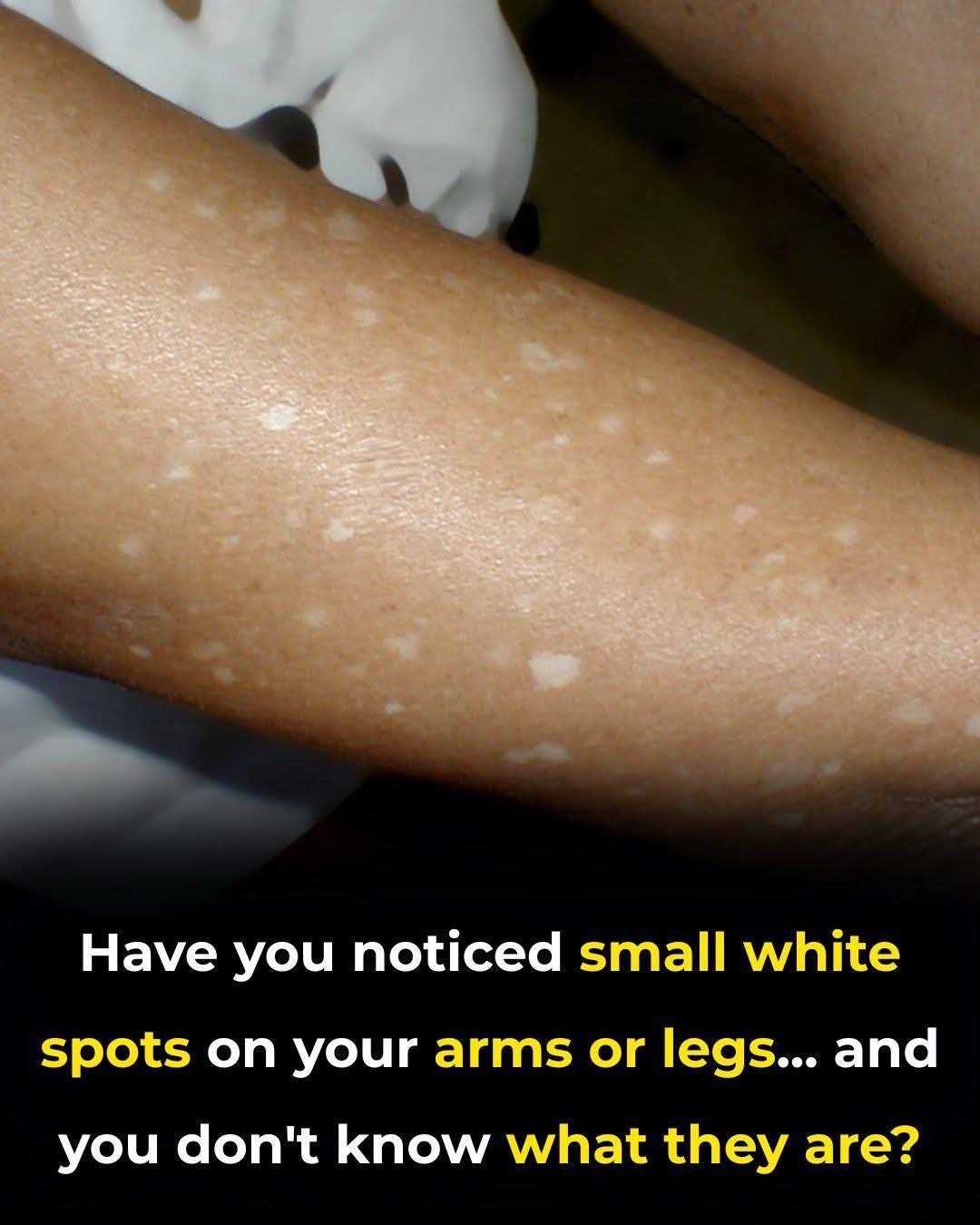
White Spots on Skin: Which Vitamin Deficiencies Could Be the Cause?
White spots on the skin can be alarming. They may appear suddenly or develop slowly over time, sometimes spreading or becoming more noticeable in sunlight. While several medical conditions can cause white or light patches on the skin, nutritional deficiencies—especially vitamin deficiencies—are often overlooked contributors. Understanding which vitamins are linked to skin pigmentation can help you identify possible causes and take early action.
Below, we explore the key vitamin deficiencies that may lead to white spots on the skin, how they affect pigmentation, and what signs to watch for.
Why Do White Spots Appear on the Skin?
Skin color is determined by melanin, a pigment produced by specialized cells called melanocytes. When melanin production is reduced or melanocytes are damaged, lighter or white patches may appear. This disruption can happen due to:
-
Autoimmune reactions
-
Infections or fungal conditions
-
Sun damage
-
Genetic factors
-
Vitamin and mineral deficiencies
Among these, nutrient deficiencies are particularly important because they are preventable and reversible in many cases.
1. Vitamin B12 Deficiency
Vitamin B12 deficiency is one of the most common nutritional causes associated with white spots on the skin, especially in conditions like vitiligo.
How It Affects the Skin
Vitamin B12 plays a vital role in:
-
DNA synthesis
-
Red blood cell formation
-
Nervous system health
-
Melanin production
A deficiency may interfere with melanocyte function, leading to loss of pigmentation in certain areas.
Signs You May Notice
-
White or pale patches on the skin
-
Tingling or numbness in hands and feet
-
Fatigue and weakness
-
Memory or concentration problems
Who Is at Risk?
-
Vegetarians and vegans
-
Older adults
-
People with digestive disorders
-
Those with poor nutrient absorption
2. Vitamin D Deficiency
Vitamin D is well known for bone health, but it also plays a role in immune regulation and skin cell function.
How It Affects the Skin
Low vitamin D levels have been linked to autoimmune skin conditions, including vitiligo. Since vitiligo involves the immune system attacking melanocytes, insufficient vitamin D may worsen or trigger depigmentation.
Possible Symptoms
-
White patches that become more noticeable in sunlight
-
Bone pain or muscle weakness
-
Frequent infections
-
Low mood or depression
Why It’s Common
-
Limited sun exposure
-
Darker skin tones
-
Indoor lifestyles
-
Poor dietary intake
3. Vitamin C Deficiency
Vitamin C is essential for skin repair, collagen formation, and antioxidant protection.
How It Affects Pigmentation
A deficiency may weaken the skin’s ability to regenerate and protect melanocytes from oxidative stress. Over time, this can contribute to uneven skin tone or pale spots.
Warning Signs
-
Dull or dry skin
-
Slow wound healing
-
Easy bruising
-
Bleeding gums
While vitamin C deficiency alone rarely causes stark white patches, it can worsen existing pigmentation issues.
4. Vitamin E Deficiency
Vitamin E is a powerful antioxidant that protects skin cells from damage caused by free radicals.
Skin Impact
Without enough vitamin E:
-
Skin becomes more vulnerable to oxidative stress
-
Melanocytes may be damaged
-
Pigment loss may occur in certain areas
Associated Symptoms
-
Dry, flaky skin
-
Poor wound healing
-
Muscle weakness (in severe cases)
Vitamin E deficiency is uncommon but may occur in people with fat absorption disorders.
5. Folic Acid (Vitamin B9) Deficiency
Folic acid works closely with vitamin B12 and is important for cell division and tissue growth.
Connection to White Spots
Low folate levels have been observed in some people with vitiligo. Deficiency may impair skin cell renewal and melanin synthesis, contributing to depigmentation.
Other Symptoms
-
Pale skin
-
Mouth sores
-
Fatigue
-
Irritability
When to See a Doctor
White spots on the skin should never be ignored, especially if they:
-
Spread rapidly
-
Change shape or size
-
Are accompanied by itching, pain, or scaling
-
Appear alongside other health symptoms
A doctor may recommend blood tests to check vitamin levels, along with skin examinations to rule out infections or autoimmune conditions.
Can Vitamin Deficiencies Be Reversed?
In many cases, yes. If white spots are linked to nutrient deficiencies, improvement may occur through:
-
A balanced, nutrient-rich diet
-
Proper supplementation under medical guidance
-
Treating underlying absorption issues
However, conditions like vitiligo may require long-term management, even when deficiencies are corrected.
Final Thoughts
White spots on the skin can be more than a cosmetic concern—they may be a signal from your body that something is missing. Deficiencies in vitamin B12, vitamin D, vitamin C, vitamin E, and folic acid can all play a role in disrupting normal skin pigmentation.
Early detection, proper nutrition, and professional medical advice are key to protecting your skin and overall health. If you notice unexplained white patches, don’t self-diagnose—address the root cause and give your skin the support it needs.