 Skip to content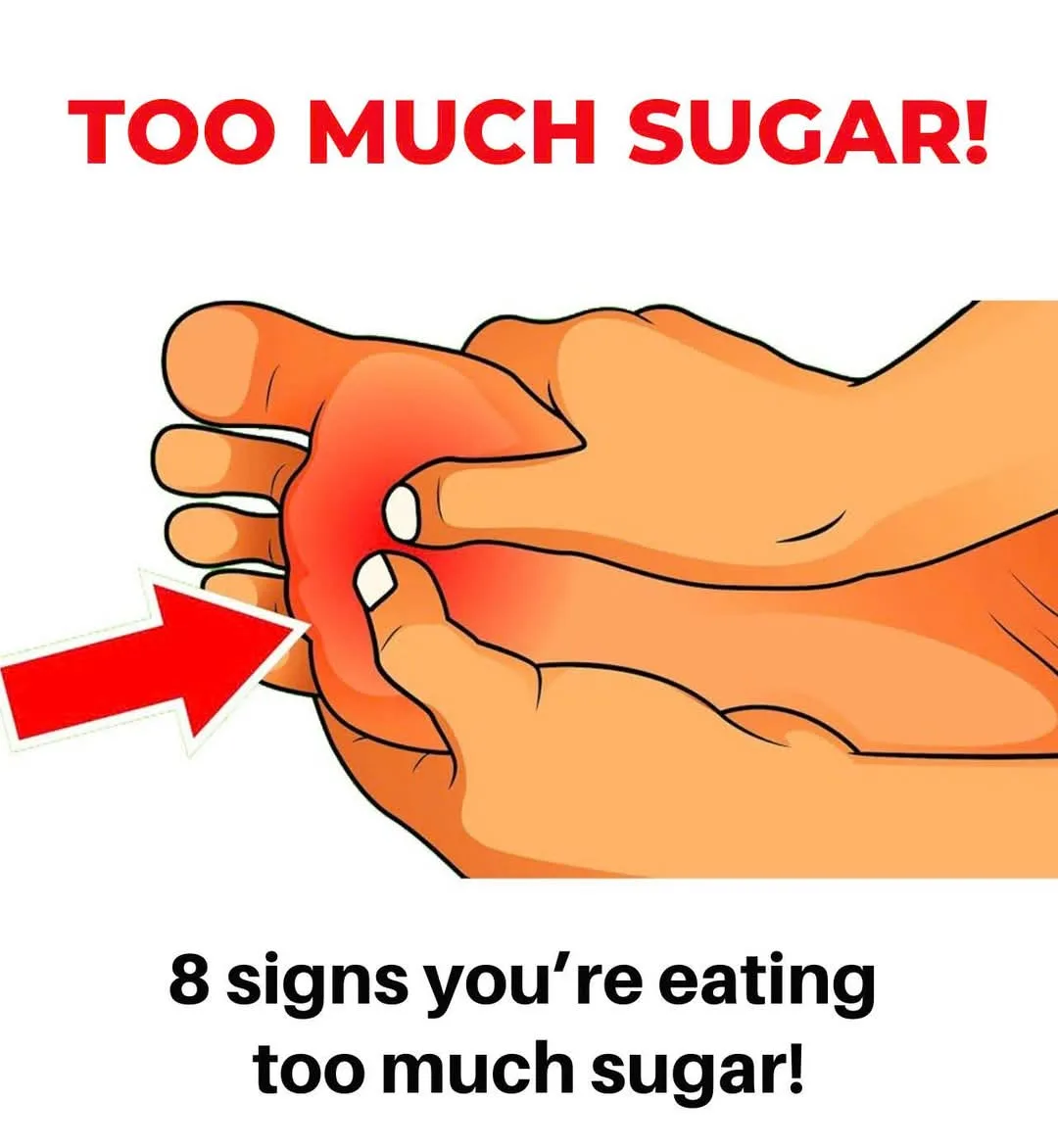
Diabetes Symptoms at Night: Top 7 Signs of High Blood Sugar That Become Worse After 10 PM
Many people think of diabetes symptoms as something that shows up during the day—after meals, during work, or when feeling tired. But for millions of people, high blood sugar becomes more noticeable at night, especially after 10 PM. This is not a coincidence. Hormonal changes, late dinners, inactivity, and disrupted insulin response all play a role in making nighttime symptoms worse.
Ignoring these signs can quietly damage your health and interfere with sleep, recovery, and long-term blood sugar control. Below are seven common nighttime symptoms of high blood sugar, why they happen, and why they deserve attention.
1. Frequent Nighttime Urination (Nocturia)
One of the earliest and most common signs of high blood sugar at night is waking up repeatedly to urinate.
When blood glucose levels are high, the kidneys work overtime to remove excess sugar through urine. This process pulls extra water from the body, filling the bladder more quickly. At night, when your body should be resting, this effect becomes more noticeable.
If you find yourself waking up two or more times after 10 PM to use the bathroom, it may be more than just drinking water before bed—it could be uncontrolled blood sugar.
2. Excessive Thirst That Feels Worse at Night
High blood sugar causes dehydration, which leads to intense thirst, especially during nighttime hours.
As your body loses fluids through frequent urination, it sends stronger thirst signals to the brain. At night, when distractions are gone and the body is quiet, this thirst can feel overwhelming. Many people describe waking up with a dry mouth and an urgent need to drink water.
Persistent nighttime thirst is a classic warning sign that blood glucose may be running high.
3. Night Sweats Without a Hot Room
Waking up drenched in sweat—even in a cool room—can be confusing and uncomfortable.
While low blood sugar can cause sweating, high blood sugar can also trigger night sweats due to hormonal imbalances and dehydration. Elevated glucose levels can interfere with your body’s ability to regulate temperature, leading to sudden sweating episodes during sleep.
If night sweats happen frequently and are not related to room temperature or heavy blankets, blood sugar fluctuations may be involved.
4. Restlessness and Difficulty Falling Asleep
High blood sugar affects the nervous system and can make it hard to relax at night.
People with elevated glucose levels often report:
-
Tossing and turning
-
Feeling “wired” or uneasy
-
Inability to fall asleep even when tired
After 10 PM, the body naturally lowers cortisol and prepares for rest. High blood sugar disrupts this rhythm, keeping the brain alert when it should be winding down.
Poor sleep then worsens insulin resistance, creating a vicious cycle.
5. Tingling, Burning, or Numbness in Hands and Feet
Symptoms of nerve irritation often become more noticeable at night.
High blood sugar over time can damage nerves, especially in the feet and hands—a condition known as diabetic neuropathy. At night, when movement slows and distractions fade, sensations like tingling, burning, or pins-and-needles can feel stronger.
If these symptoms worsen after bedtime, it may indicate prolonged periods of elevated blood sugar levels.
6. Unexplained Fatigue Despite Sleeping
You may spend hours in bed but still wake up feeling exhausted.
High blood sugar prevents glucose from entering cells efficiently, meaning your body lacks usable energy—even when sugar levels are high in the blood. At night, this leads to poor cellular repair and shallow sleep.
If you wake up tired, heavy, or mentally foggy most mornings, nighttime blood sugar imbalance could be the hidden reason.
7. Headaches or Blurred Vision Late at Night
High blood sugar affects fluid balance in the eyes and brain.
At night, dehydration and glucose spikes can cause:
-
Dull headaches before sleep
-
Blurred or fluctuating vision
-
Pressure behind the eyes
These symptoms may appear after long periods without movement or after late, carbohydrate-heavy meals. Vision changes at night should never be ignored, as they may signal ongoing glucose instability.
Why Blood Sugar Often Rises After 10 PM
Several factors contribute to worsening symptoms at night:
-
Late dinners high in refined carbohydrates
-
Reduced physical activity
-
Natural nighttime insulin resistance
-
Hormonal shifts (growth hormone and cortisol)
-
Poor sleep quality
Together, these factors make it harder for the body to manage glucose efficiently after dark.
When to Take Action
If you regularly experience two or more of these symptoms at night, it’s important to:
-
Monitor blood sugar levels consistently
-
Avoid heavy or sugary meals late in the evening
-
Improve sleep habits and meal timing
-
Consult a healthcare professional for proper testing and guidance
Nighttime symptoms are not just uncomfortable—they are often early warning signals your body is sending for help.
Final Thought
Your body does important repair work while you sleep. When high blood sugar interferes with that process, the damage can silently build over time. Paying attention to nighttime signs—especially those that worsen after 10 PM—can make a powerful difference in protecting your long-term health.