 Skip to content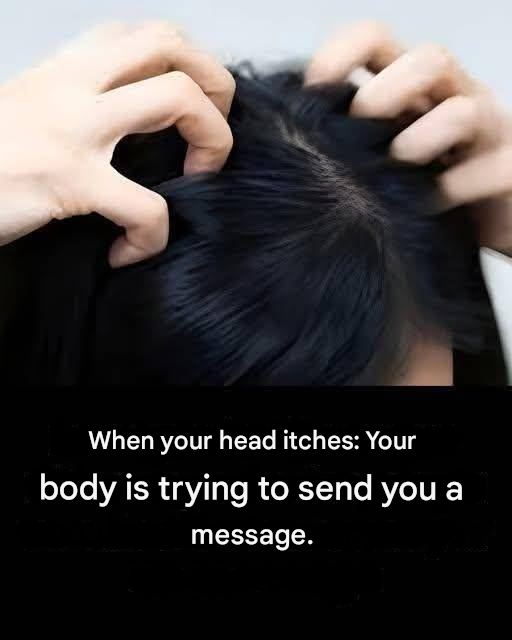
An itchy scalp can be more than just a minor annoyance. For some people, it’s an occasional irritation that comes and goes. For others, it’s a constant problem that affects sleep, confidence, and daily comfort. Scratching may bring temporary relief, but it often makes the situation worse. Understanding why your scalp itches is the first and most important step toward fixing it.
Below are the main causes of an itchy scalp, explained in a clear, practical way, so you can recognize what might be triggering the problem and what to do next.
1. Dry Scalp
One of the most common causes of scalp itching is dry skin. Just like your hands or face, your scalp can lose moisture—especially in cold weather, dry climates, or if you wash your hair too often.
Signs of a dry scalp include:
Tight or uncomfortable feeling
Small, dry white flakes (not greasy)
Itching that worsens after washing
Why it happens:
Hot showers, harsh shampoos, frequent washing, and lack of natural oils strip moisture from the scalp.
What helps:
Using a gentle, moisturizing shampoo, washing less frequently, and avoiding very hot water can make a big difference.
2. Dandruff (Seborrheic Dermatitis)
Dandruff is often confused with dry scalp, but it’s a different condition. It’s usually linked to an overgrowth of a yeast called Malassezia, which naturally lives on the scalp.
Common symptoms:
White or yellow flakes
Greasy scalp
Persistent itching
Redness in more severe cases
Triggers include:
Stress
Cold weather
Hormonal changes
Not washing hair regularly
What helps:
Anti-dandruff shampoos containing ingredients like zinc pyrithione, ketoconazole, or selenium sulfide are often effective.
3. Product Buildup
Hair styling products, oils, dry shampoos, and even conditioner can build up on the scalp over time. This buildup blocks pores and irritates the skin.
You may notice:
Itching without visible flakes
A heavy or greasy feeling at the roots
Reduced effectiveness of hair products
Why it happens:
Not rinsing thoroughly or using too many products without clarifying washes.
What helps:
Using a clarifying shampoo occasionally and rinsing hair very well after washing.
4. Allergic Reactions (Contact Dermatitis)
Some people are sensitive or allergic to ingredients in hair products such as shampoos, dyes, conditioners, or styling sprays.
Common irritants include:
Fragrances
Preservatives
Hair dyes (especially PPD)
Sulfates
Symptoms may include:
Intense itching
Redness
Burning or stinging
Small bumps or rash
What helps:
Stopping the suspected product immediately and switching to fragrance-free, hypoallergenic options.
5. Scalp Psoriasis
Scalp psoriasis is a chronic autoimmune condition that causes rapid skin cell buildup.
Signs include:
Thick, silvery-white scales
Red, inflamed patches
Severe itching or soreness
Flakes that extend beyond the hairline
Important note:
Psoriasis is not contagious, but it does require long-term management.
What helps:
Medicated shampoos, topical treatments, and guidance from a dermatologist.
6. Fungal Infections (Tinea Capitis)
A fungal infection of the scalp is more common in children but can affect adults too.
Symptoms include:
Intense itching
Red, scaly patches
Hair breakage or hair loss in spots
What helps:
This condition usually requires oral antifungal medication, so medical treatment is essential.
7. Head Lice
Though often associated with children, head lice can affect adults as well.
Signs include:
Severe itching, especially behind the ears and at the nape of the neck
Small white eggs (nits) attached to hair shafts
Crawling sensation on the scalp
What helps:
Special lice treatments and thorough cleaning of bedding, clothing, and personal items.
8. Stress and Anxiety
Stress doesn’t just affect your mind—it can show up on your scalp too. Chronic stress can trigger or worsen itching by affecting the immune system and skin barrier.
You might notice:
Increased itching during stressful periods
No obvious flakes or redness
What helps:
Stress management techniques such as better sleep, relaxation exercises, and regular physical activity.
9. Poor Diet or Nutrient Deficiencies
Lack of certain nutrients can weaken skin health.
Common deficiencies linked to itchy scalp:
Zinc
B vitamins (especially B12 and biotin)
Omega-3 fatty acids
What helps:
A balanced diet rich in fruits, vegetables, healthy fats, and proteins.
When to See a Doctor
You should consult a healthcare professional if:
Itching lasts more than two weeks
There is severe redness, pain, or swelling
You experience hair loss or oozing sores
Over-the-counter treatments don’t help
Final Thoughts
An itchy scalp is your body’s way of telling you something isn’t right—whether it’s dryness, irritation, buildup, or an underlying condition. The good news is that most causes are manageable once properly identified. Pay attention to your symptoms, be gentle with your scalp, and don’t ignore persistent itching.
Healthy hair starts with a healthy scalp—and relief may be closer than you think.