 Skip to content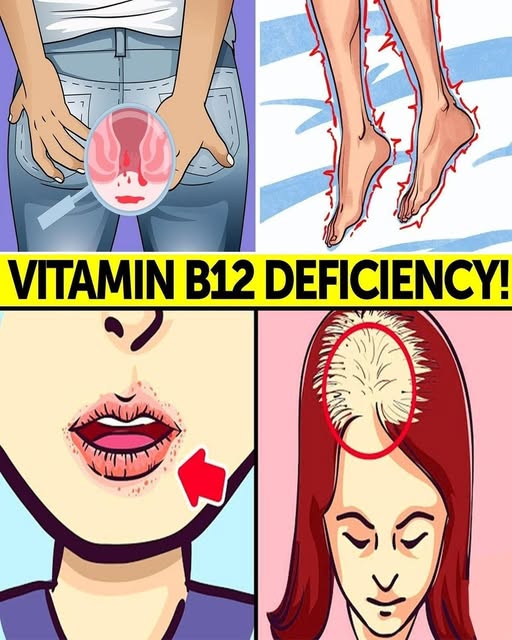
Vitamin B12 is one of those nutrients most people don’t think about—until their body starts sending confusing, sometimes alarming signals. Unlike more obvious deficiencies, a lack of B12 can quietly affect your nerves, brain, blood, and energy levels long before routine tests catch it. Even more surprising? The symptoms often don’t look like a vitamin issue at all.
If you’ve been feeling “off” and can’t quite explain why, your body may be asking for more vitamin B12 in strange ways. Here are eight unusual signs you shouldn’t ignore.
1. Tingling, Numbness, or “Pins and Needles”
That odd tingling in your hands, feet, or legs isn’t always poor circulation. Vitamin B12 is essential for maintaining the protective coating around your nerves (called the myelin sheath). When B12 levels drop, nerves begin to misfire, leading to numbness, burning sensations, or pins-and-needles feelings.
Left untreated, this nerve damage can become permanent, making early attention crucial.
2. Constant Fatigue That Sleep Doesn’t Fix
Feeling exhausted after a full night’s sleep is a classic but often misunderstood sign of B12 deficiency. Vitamin B12 helps your body produce healthy red blood cells that carry oxygen throughout the body. Without enough B12, oxygen delivery drops, leaving you feeling weak, heavy, and drained.
This type of fatigue is deep and persistent—it doesn’t improve with coffee or naps.
3. Brain Fog and Memory Slips
Struggling to focus, forgetting simple words, or feeling mentally “cloudy” can be alarming. B12 plays a major role in brain health and neurotransmitter production. Low levels may affect memory, concentration, and even problem-solving skills.
In older adults, long-term deficiency has even been mistaken for early dementia, which is why B12 testing is often recommended when cognitive changes appear.
4. Mood Changes, Anxiety, or Depression
If your mood feels unusually low or anxious for no clear reason, vitamin B12 may be involved. B12 is needed to produce serotonin and dopamine—chemicals that regulate mood and emotional balance.
A deficiency can contribute to irritability, unexplained sadness, nervousness, and even panic-like symptoms. In some cases, correcting B12 levels significantly improves emotional well-being.
5. A Smooth, Sore, or Burning Tongue
One of the strangest visible signs of B12 deficiency shows up in the mouth. The tongue may appear unusually smooth, swollen, or inflamed, sometimes with a burning or painful sensation. Taste changes or mouth ulcers can also occur.
This condition, known as glossitis, happens because fast-dividing cells in the mouth are especially sensitive to nutrient shortages.
6. Pale or Slightly Yellow Skin
Vitamin B12 deficiency can affect how red blood cells are formed, causing them to become large and fragile. As these cells break down more easily, they may release bilirubin, giving the skin a pale or slightly yellowish tint.
This change often appears gradually and may be subtle, especially in people with darker skin tones.
7. Shortness of Breath or Dizziness
Feeling winded after light activity or experiencing frequent dizziness can point to low B12 levels. When red blood cells can’t effectively carry oxygen, your heart and lungs have to work harder, leading to breathlessness, lightheadedness, or even heart palpitations.
Many people mistake this for aging or poor fitness, delaying proper diagnosis.
8. Vision Disturbances
Blurry or disturbed vision can be a surprising sign of B12 deficiency. Damage to the optic nerve—though rare—can occur when B12 levels are very low. Some people report double vision, shadows, or visual changes that come and go.
While not common, vision issues related to B12 should be taken seriously and addressed promptly.
Who Is Most at Risk?
Vitamin B12 deficiency doesn’t only affect vegetarians. People at higher risk include:
-
Adults over 50 (absorption decreases with age)
-
People with digestive issues (such as gastritis or Crohn’s disease)
-
Those taking antacids or metformin long-term
-
Individuals with low stomach acid
-
Vegans and strict vegetarians
Final Thoughts
Vitamin B12 deficiency is often called a “silent problem” because its symptoms can look unrelated, vague, or psychological. But your body is always communicating—sometimes in strange ways—when something is missing.
If you recognize several of these signs, a simple blood test can provide clarity. Addressing B12 deficiency early can restore energy, protect your nerves, and support long-term brain health.