 Skip to content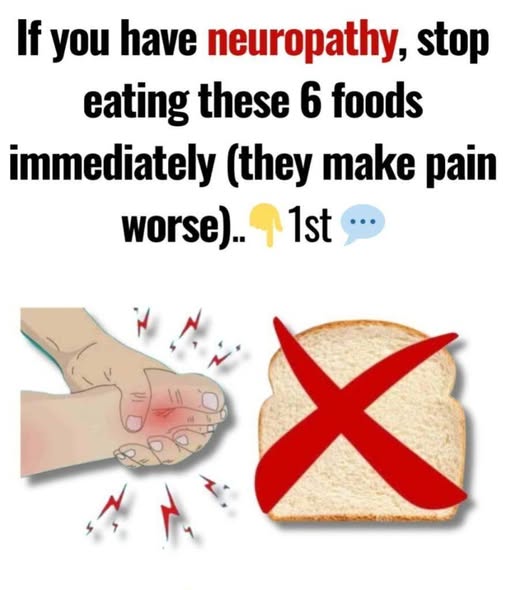
Living with neuropathy can feel like walking on live wires. Burning, stabbing, tingling, or electric-shock sensations can appear without warning and make even simple daily activities exhausting. While neuropathy is often linked to conditions like diabetes, vitamin deficiencies, autoimmune disorders, or nerve injuries, many people don’t realize that food choices can dramatically influence nerve pain.
Certain foods may worsen inflammation, disrupt blood sugar, or irritate already-damaged nerves—turning manageable symptoms into agonizing pain. If you live with neuropathy, avoiding these common trigger foods could make a noticeable difference.
1. Refined Sugar and Sweets
Sugar is one of the biggest enemies of nerve health, especially for people with diabetic or prediabetic neuropathy. Consuming sweets, sugary drinks, pastries, and desserts causes rapid spikes in blood sugar. These spikes damage small blood vessels that nourish nerves, leading to increased pain, numbness, and burning sensations.
High sugar intake also fuels inflammation throughout the body. Inflamed nerves become hypersensitive, making pain feel sharper and more persistent. Over time, excess sugar can even accelerate nerve degeneration.
Common sources to watch out for:
Candy, soda, fruit juices, cakes, cookies, sweetened yogurt, and breakfast cereals.
2. Refined Carbohydrates
White bread, white rice, pasta, and baked goods made with refined flour break down quickly into glucose. Even if they don’t taste sweet, they act like sugar in the body—causing blood sugar surges that can worsen neuropathic pain.
For many people, these foods increase tingling, numbness, and that uncomfortable “pins and needles” sensation. Refined carbs also lack fiber and essential nutrients needed for nerve repair.
Better alternatives:
Whole grains, oats, brown rice, quinoa, and high-fiber vegetables help stabilize blood sugar and reduce inflammation.
3. Alcohol
Alcohol is a well-known nerve toxin. In fact, alcoholic neuropathy is a recognized medical condition. Even moderate drinking can irritate nerves and intensify pain for those who already have neuropathy.
Alcohol interferes with the absorption of B vitamins—especially B1, B6, and B12—which are crucial for nerve function. It also increases oxidative stress, damaging nerve endings further.
Many people with neuropathy report worse burning and stabbing pain at night after drinking alcohol, along with increased numbness in the feet and hands.
If you have neuropathy:
Limiting or completely avoiding alcohol may significantly reduce flare-ups.
4. Fried and Processed Foods
Fried foods and heavily processed snacks are loaded with unhealthy fats, additives, and advanced glycation end products (AGEs). These compounds trigger inflammation and oxidative stress, both of which are known to worsen nerve pain.
Fast food, packaged snacks, frozen meals, and processed meats can increase swelling around nerves, making pain signals stronger and more frequent.
Examples to avoid:
French fries, fried chicken, chips, sausages, hot dogs, and packaged pastries.
5. Foods High in Saturated and Trans Fats
Diets high in saturated and trans fats impair blood circulation, reducing oxygen and nutrients reaching the nerves. Poor circulation is a major contributor to neuropathy pain, particularly in the feet and legs.
These fats also increase systemic inflammation, making nerve endings more sensitive to pain signals. Over time, they may worsen nerve damage and slow healing.
Common sources:
Fatty cuts of red meat, butter, margarine, full-fat dairy, baked goods, and commercially prepared snacks.
Healthier fats:
Olive oil, avocados, nuts, seeds, and fatty fish like salmon support nerve health.
6. Artificial Sweeteners and Additives
Many people turn to artificial sweeteners thinking they are safer than sugar—but for neuropathy sufferers, they can be problematic. Some artificial sweeteners and food additives may overstimulate nerves or trigger inflammation in sensitive individuals.
Monosodium glutamate (MSG), aspartame, and artificial flavor enhancers have been linked by some people to increased nerve pain, headaches, and tingling sensations.
While reactions vary, it’s worth paying attention to how your body responds after consuming diet sodas, sugar-free candies, and highly processed foods.
Final Thoughts
Neuropathy pain isn’t caused by food alone, but diet can either calm or aggravate damaged nerves. By reducing sugar, refined carbs, alcohol, fried foods, unhealthy fats, and artificial additives, many people experience fewer flare-ups and improved comfort.
A nerve-friendly diet focuses on whole foods, stable blood sugar, anti-inflammatory nutrients, and proper vitamin intake—especially B vitamins. Small changes, made consistently, can lead to meaningful relief.
If neuropathy pain feels overwhelming, your plate may be one of the most powerful tools you have to take back control.