 Skip to content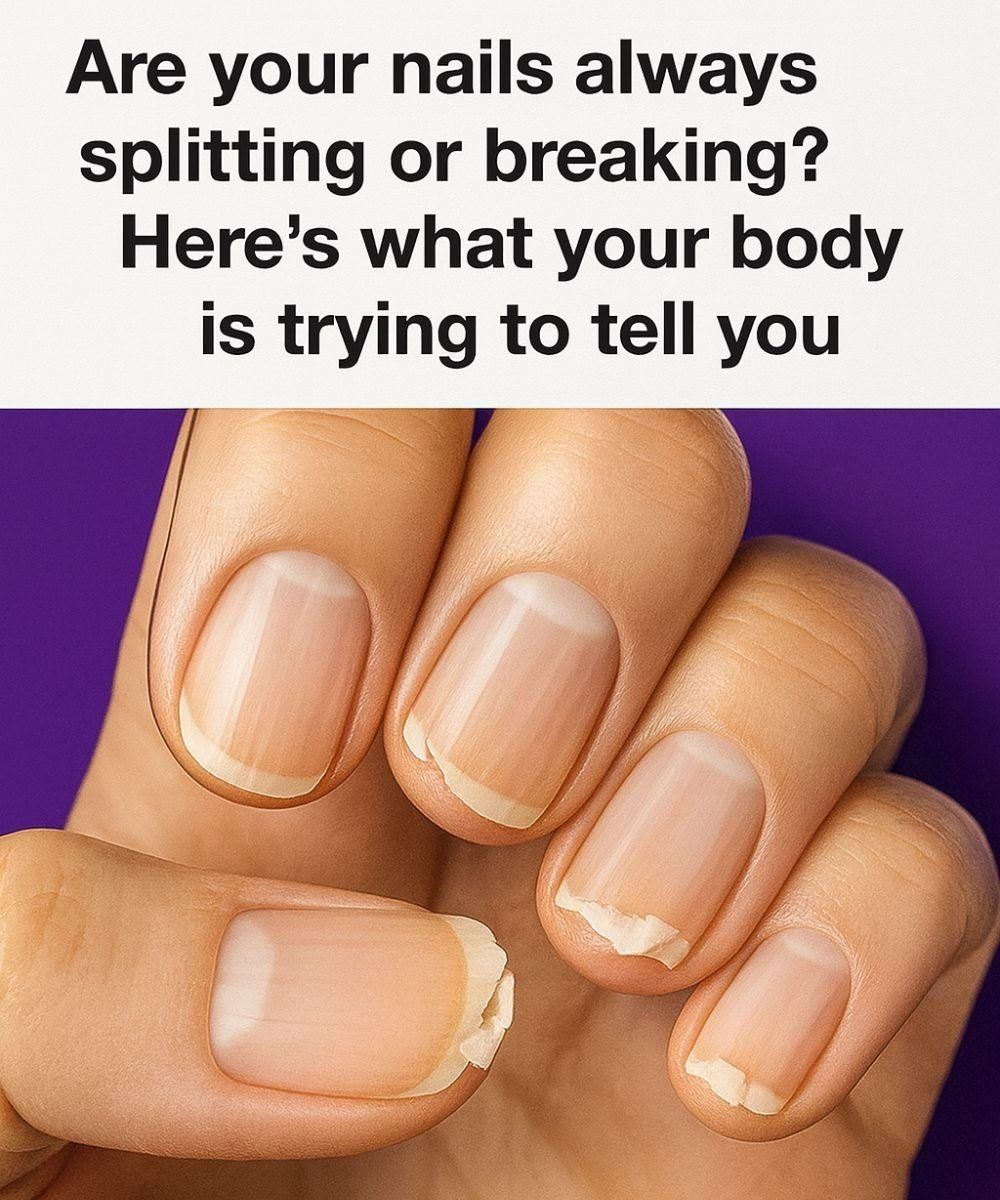
Are Your Nails Always Splitting or Breaking? Here’s What Your Body Is Trying to Tell You
If your nails constantly split, peel, or break no matter how careful you are, it can be frustrating. While brittle nails may seem like a small cosmetic issue, they often reflect what’s happening inside your body. Your nails are made of keratin, a protein that depends on proper nutrition, hydration, and overall health to grow strong and smooth. When something is off, your nails are often one of the first places it shows.
Let’s explore what your body might be trying to tell you.
1. You May Be Dehydrated
One of the most common causes of brittle, splitting nails is simple dehydration. Just like your skin and hair, your nails need moisture. When your body lacks enough water, nails become dry, weak, and prone to cracking.
If you frequently wash your hands, use harsh soaps, or live in a dry climate, your nails may lose moisture even faster. Drinking enough water daily and using a nourishing hand cream or cuticle oil can make a noticeable difference.
2. Iron Deficiency Could Be the Culprit
Iron plays a critical role in carrying oxygen to your cells, including those responsible for nail growth. When iron levels are low, nails can become thin, brittle, and may even develop ridges or a spoon-like shape.
Other symptoms of iron deficiency may include fatigue, pale skin, shortness of breath, or feeling cold often. If you suspect low iron, a simple blood test can confirm it. Iron-rich foods such as spinach, lentils, red meat, beans, and fortified cereals can help improve levels.
3. You Might Be Lacking Biotin
Biotin, also known as vitamin B7, is often associated with healthy hair and nails. A deficiency can cause nails to become weak and split easily.
Biotin helps your body metabolize proteins and supports keratin production. Foods rich in biotin include eggs, almonds, sweet potatoes, seeds, and whole grains. While supplements are popular, it’s always best to consult a healthcare provider before starting one.
4. Protein Intake May Be Too Low
Because nails are made of protein, not getting enough in your diet can directly affect their strength. If you follow a restrictive diet or consume minimal protein, your body may prioritize vital organs over nail growth.
Make sure your meals include adequate protein sources such as chicken, fish, eggs, dairy, legumes, tofu, or nuts. Even small improvements in protein intake can support healthier nail growth over time.
5. Thyroid Imbalance Can Affect Nails
Your thyroid gland regulates metabolism, and when it’s underactive (hypothyroidism), it can cause dry skin, hair thinning, and brittle nails. Nails may grow slowly and split frequently.
If you’re also experiencing weight changes, fatigue, hair loss, or sensitivity to cold, it may be worth discussing thyroid testing with your doctor. Treating the underlying thyroid issue often improves nail health.
6. Too Much Exposure to Water and Chemicals
Sometimes the problem isn’t internal—it’s environmental. Frequent exposure to water, cleaning products, nail polish remover, or harsh chemicals can weaken the nail structure.
Repeated wetting and drying causes nails to expand and contract, which leads to splitting. Wearing gloves while cleaning and limiting acetone-based removers can protect your nails from damage.
7. Aging Naturally Weakens Nails
As we age, our bodies produce less natural oil and keratin production slows down. This can lead to thinner, more fragile nails. While aging is unavoidable, proper nutrition, hydration, and gentle nail care can help maintain strength.
Regular trimming, gentle filing in one direction, and moisturizing can prevent further splitting.
8. Underlying Health Conditions
In some cases, brittle nails may signal other health issues such as psoriasis, eczema, or circulatory problems. If your nail changes are severe, painful, discolored, or accompanied by other unusual symptoms, medical evaluation is important.
Pay attention to changes in color (yellowing, bluish tint), thickening, or separation from the nail bed. These signs may indicate infections or systemic conditions that require treatment.
How to Strengthen Brittle Nails Naturally
If your nails are splitting often, try these practical steps:
-
Stay hydrated: Aim for consistent water intake throughout the day.
-
Eat a balanced diet: Include iron, protein, healthy fats, and B vitamins.
-
Use cuticle oil daily: Jojoba oil and vitamin E oil are excellent choices.
-
Avoid harsh nail treatments: Limit acrylics, gels, and frequent polish changes.
-
Wear gloves while cleaning: Protect nails from chemicals and excess water.
-
File gently: Always file in one direction to prevent micro-tears.
Consistency is key. Nails grow slowly—about 3 millimeters per month—so improvements may take several weeks to become visible.
When to See a Doctor
Occasional splitting is common and usually harmless. However, you should consider medical advice if:
-
Nails are severely misshapen
-
You experience persistent fatigue or weakness
-
There is sudden nail discoloration
-
Nails separate from the nail bed
-
You notice other unusual body symptoms
Your nails are more than just a cosmetic feature—they’re small indicators of your overall health. While brittle nails are often caused by dehydration, nutritional gaps, or environmental damage, they can sometimes reflect deeper imbalances.
By paying attention to what your nails are telling you and making simple lifestyle adjustments, you can restore strength and shine from the inside out. Healthy nails begin with a healthy body—and sometimes, a small crack is your body’s quiet way of asking for better care.