 Skip to content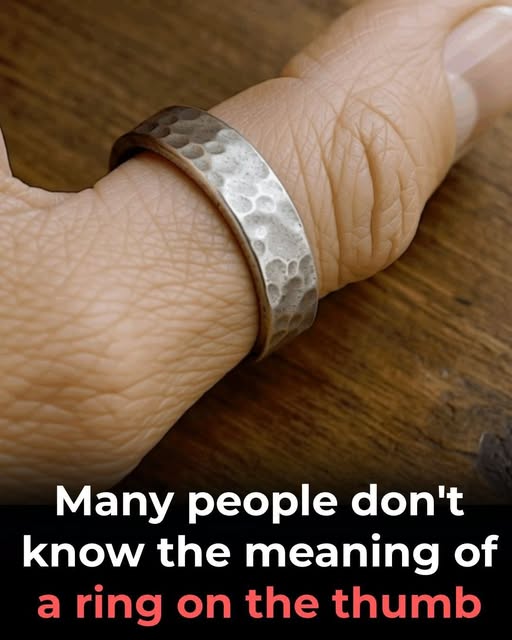
A ring worn on the thumb is one of the most noticeable and unusual jewelry choices a person can make. Unlike rings on the ring finger or index finger, which carry widely recognized meanings such as marriage or authority, a thumb ring often sparks curiosity. Many people see it as a bold fashion statement, but historically and symbolically, a ring on the thumb has carried a variety of meanings across cultures and time periods.
Historically, thumb rings were associated with power and protection. In ancient civilizations such as Rome, Greece, and parts of Asia, archers wore thumb rings to protect their thumbs while drawing a bow. These rings were often made of leather, bone, stone, or metal. Over time, especially in Asian cultures like China and Turkey, thumb rings became decorative and symbolic. They represented strength, skill, and high status. Only skilled warriors or members of the elite class would wear elaborately designed thumb rings, making them a sign of wealth and authority.
In some European societies, a thumb ring was considered a symbol of influence and independence. Because the thumb is separate from the other fingers and plays a key role in grip and control, it became a symbol of personal power and freedom. Wearing a ring on this finger suggested that the person had confidence and was not afraid to stand out. Unlike more traditional rings that signal commitment to another person, the thumb ring often symbolizes commitment to oneself.
Psychologically, the thumb represents willpower and self-assertion. In body language, a visible thumb can signal dominance or confidence. For example, people often hook their thumbs into their pockets or belts to project authority. When someone wears a ring on the thumb, it can amplify this message. It suggests that the wearer is strong-willed, independent, and possibly even rebellious. It can be a quiet way of saying, “I make my own rules.”
In modern fashion, thumb rings have become popular among both men and women. In the 1990s and early 2000s, they were especially trendy as part of alternative and edgy styles. Today, they are worn for many different reasons. Some people simply like the way they look. A thumb ring can balance other rings worn on the hand and create a bold visual statement. Because the thumb is larger than other fingers, the ring often appears more prominent and eye-catching.
For women, a thumb ring can symbolize independence and empowerment. Some see it as a sign of strength and self-confidence. It can also be associated with breaking traditional expectations. Since engagement and wedding rings are typically worn on the ring finger, a thumb ring sends a different message. It shifts the focus away from relationship status and toward personal identity.
For men, thumb rings can represent masculinity, strength, and success. In certain cultures, a man wearing a large gold or silver thumb ring may signal financial stability or authority. In other cases, it may simply reflect personal style. Unlike more delicate rings worn on other fingers, thumb rings often have bold designs, thick bands, or engraved patterns, making them a strong fashion statement.
In some communities, particularly during the late 20th century, thumb rings were also associated with specific social or identity groups. However, meanings vary widely depending on location and personal interpretation. Today, it is less common to attach a single fixed meaning to a thumb ring. Most people wear them as an expression of individuality rather than as a coded symbol.
There is also a spiritual perspective connected to thumb rings. In palmistry and certain belief systems, the thumb is linked to logic, willpower, and decision-making. Wearing a ring on the thumb is thought by some to enhance these qualities. It may serve as a reminder to stay strong, make wise choices, and maintain control over one’s life. While these interpretations are not scientifically proven, they add another layer of meaning for those who value symbolism.
Ultimately, the meaning of a ring on a thumb depends on the wearer. It can represent power, independence, confidence, wealth, rebellion, or simply fashion. Unlike the traditional wedding band, which carries a nearly universal meaning, the thumb ring is open to interpretation. That is part of its appeal. It allows people to define their own message.
In a world where jewelry often communicates relationship status or social expectations, a thumb ring stands apart. It is bold, noticeable, and slightly unconventional. Whether rooted in ancient warrior traditions or modern self-expression, the thumb ring continues to capture attention. Many people may not know its deeper history or symbolism, but one thing is clear: wearing a ring on the thumb is rarely accidental. It usually reflects a sense of individuality and the confidence to be different.