 Skip to content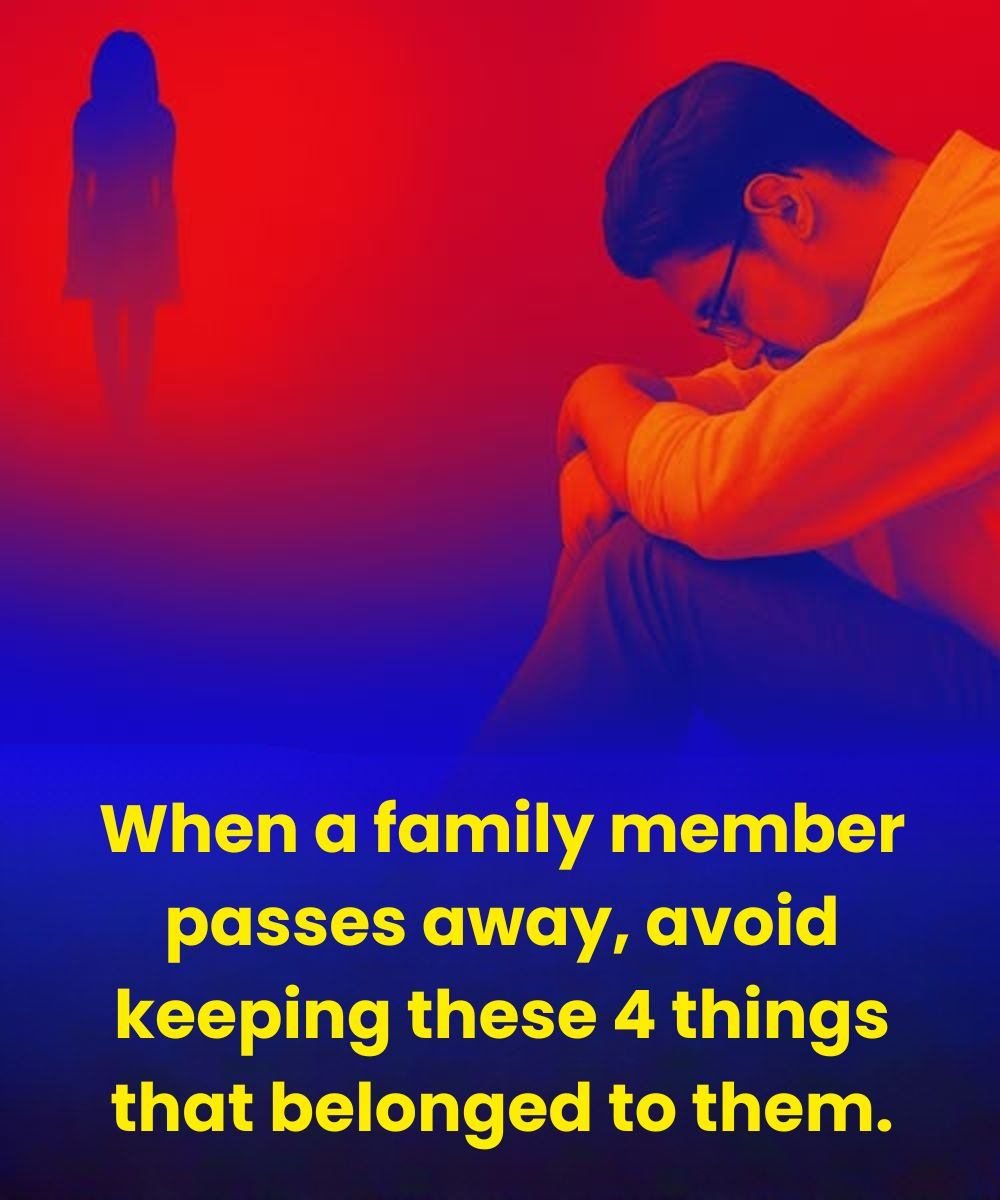
When a loved one passes away, grief can make it incredibly hard to let go of anything that belonged to them. Every object feels sacred. Every small belonging seems filled with memory. But while it’s natural to want to hold on, some items can actually prolong emotional pain, create family tension, or even pose practical risks.
Letting go doesn’t mean forgetting. It means choosing what truly honors their memory and releasing what may quietly harm your healing.
Here are four things you should seriously consider not keeping after a family member passes away.
Medical equipment often carries heavy emotional weight. Hospital beds, oxygen tanks, walkers, wheelchairs, or even large supplies of medication can serve as constant reminders of suffering, illness, and the final difficult days.
Why you may not want to keep them:
-
They can trigger painful memories rather than comforting ones.
-
Medications can be dangerous if stored improperly.
-
Equipment takes up space and may prevent emotional closure.
Instead of keeping these items, consider donating usable equipment to medical charities, clinics, or community organizations. Many families find peace in knowing that something tied to hardship can now help someone else in need.
After a death, paperwork can pile up quickly — credit card bills, loan documents, tax records, and contracts. Holding onto everything indefinitely can create stress and confusion.
Important note: Some documents must be kept temporarily for legal purposes, especially for estate settlement or tax filings. However, once everything is resolved, there is no need to preserve piles of unpaid bills or debt notices.
Why letting go matters:
-
Constant reminders of financial stress can prolong anxiety.
-
Old documents increase the risk of identity theft.
-
Clutter can delay emotional healing.
Keep what’s legally necessary (death certificate copies, will, property deeds), and securely shred what’s no longer required. Organization helps bring clarity during an already overwhelming time.
Sadly, inheritance disputes are common. A piece of jewelry, a watch, artwork, or even furniture can become a source of tension between siblings or relatives.
If an item repeatedly causes arguments, resentment, or division, consider whether keeping it is worth the emotional cost.
Ask yourself:
-
Is this object strengthening family bonds?
-
Or is it creating distance and bitterness?
Sometimes selling the item and dividing the proceeds equally brings more peace than assigning ownership to one person. Other times, donating it removes the source of conflict entirely.
A loved one would likely prefer unity over objects.
Clothing is especially hard to part with because it feels personal. You can still smell their perfume. You remember how they looked wearing a favorite sweater.
But keeping an entire wardrobe untouched for years can freeze your grief in place.
What often happens:
-
Closets remain exactly as they were.
-
Rooms become memorial spaces rather than living spaces.
-
Moving forward feels impossible.
It’s okay to keep a few meaningful items — perhaps a favorite jacket, scarf, or accessory. Some families turn clothing into memory quilts or keepsake pillows. But holding onto everything can delay healing.
Donating clothes to those in need can transform grief into generosity. Each item then carries love outward instead of anchoring you in sorrow.
The Emotional Truth About Letting Go
Grief convinces us that objects are equal to memory. But memories live in stories, photographs, shared laughter, and the values our loved ones passed down.
Letting go of certain items doesn’t erase them from your life. It simply creates space for healthier remembrance.
In fact, decluttering after loss can:
-
Reduce anxiety and overwhelm.
-
Provide a sense of control.
-
Help mark a transition from acute grief to gradual acceptance.
There’s no timeline. Some people sort belongings quickly; others need months or even years. The key is intentional choice, not impulsive clearing — but also not indefinite holding.
What You Should Keep Instead
While this article focuses on what not to keep, it’s equally important to preserve what truly matters:
-
Photographs and videos
-
Handwritten letters
-
Small sentimental keepsakes
-
Items that reflect shared memories rather than suffering
Choose objects that remind you of who they were — not just how they passed.
Final Thoughts
Loss changes us. It reshapes our homes, routines, and hearts. The instinct to keep everything is deeply human. But sometimes, the bravest and most loving act is deciding what serves your healing — and what doesn’t.
Release medical reminders of suffering.
Resolve and discard financial clutter.
Avoid objects that divide family.
Let go of excess clothing you’ll never use.