 Skip to content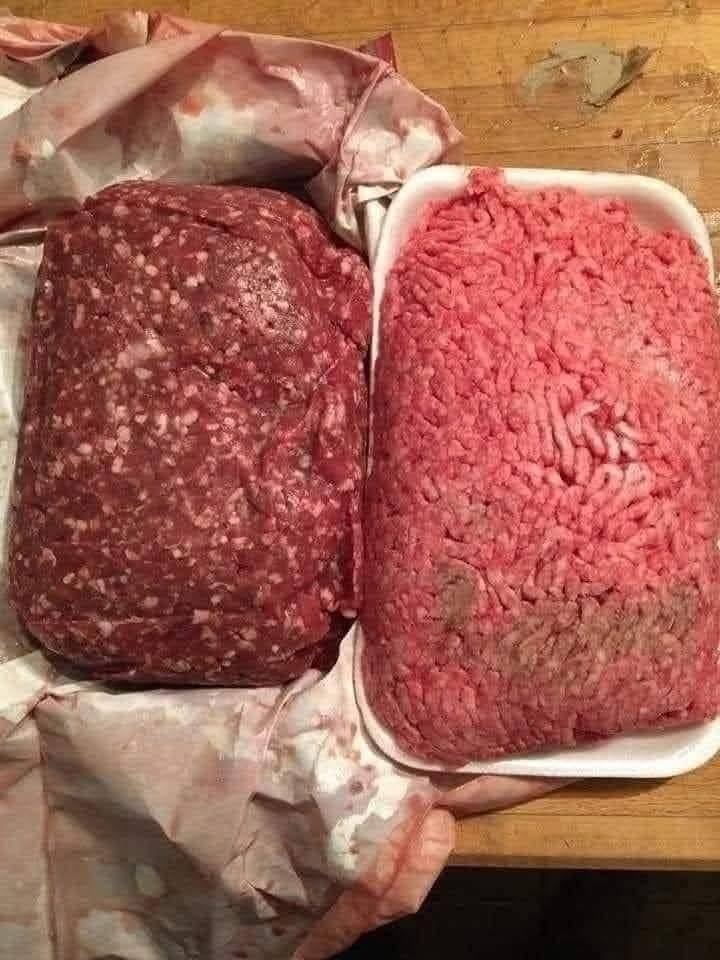
When buying meat, your eyes are your first quality test. Fresh meat should look vibrant and moist, not dull or dried out. For example, beef should be bright red or purplish-red, chicken should be pink (not gray), and pork should have a pale pink tone. If meat looks brown, gray, or has greenish spots, it may already be spoiling.
Also check the fat. Good meat usually has white or creamy fat. Yellow fat can mean the meat is older or from lower-quality sources. For beef, look for marbling — thin streaks of fat inside the muscle — because this usually means better flavor and tenderness.
Avoid packages with excess liquid. A little moisture is normal, but pools of liquid can mean the meat has been sitting too long.
2. Always Check the Smell (If Possible)
If the packaging allows, smell the meat. Fresh meat should have little to no odor. A strong, sour, or rotten smell is a clear warning sign.
Sometimes you can’t smell meat until you open it at home. If you notice a bad smell after opening, do not cook or taste it — throw it away immediately.
3. Understand Expiration and Packaging Dates
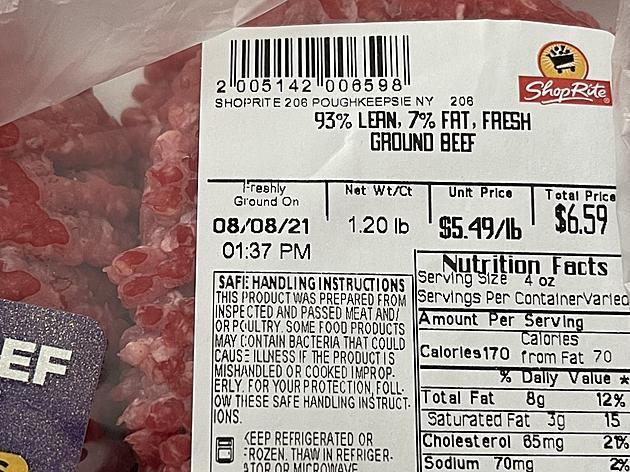


Supermarket meat usually has several dates printed on it:
-
Sell-by date: Store should sell before this date
-
Use-by date: Last day you should cook or freeze the meat
-
Pack date: When the meat was packaged
The closer you are to the pack date, the fresher the meat usually is. If you plan to freeze meat, buying close to the sell-by date is usually fine.
Never buy meat past its use-by date, even if it looks okay.
4. Know the Difference Between Meat Grades
In many countries, meat is graded based on quality, tenderness, and fat content. Higher-grade meat usually costs more but tastes better and cooks more easily.
Lower grades are still safe to eat but may require slow cooking methods to become tender.
If you are making stew, soup, or curry, lower-grade cuts can work perfectly. For grilling or frying, higher-grade meat is usually better.
5. Check the Packaging Carefully
Packaging protects meat from bacteria and contamination. Before buying, check:
-
No holes or tears
-
No loose or broken seals
-
No excessive air inside vacuum packs
Damaged packaging can allow bacteria to enter and spoil the meat faster.
6. Watch Out for Added Solutions
Some meats, especially chicken and turkey, may be injected with saltwater or flavor solutions. This isn’t always bad, but it means you are paying for added water weight.
Look for labels like:
-
“Enhanced with solution”
-
“Contains broth”
-
“Water added”
If you want pure meat, choose products without these additions.
7. Choose the Right Cut for Your Cooking Method
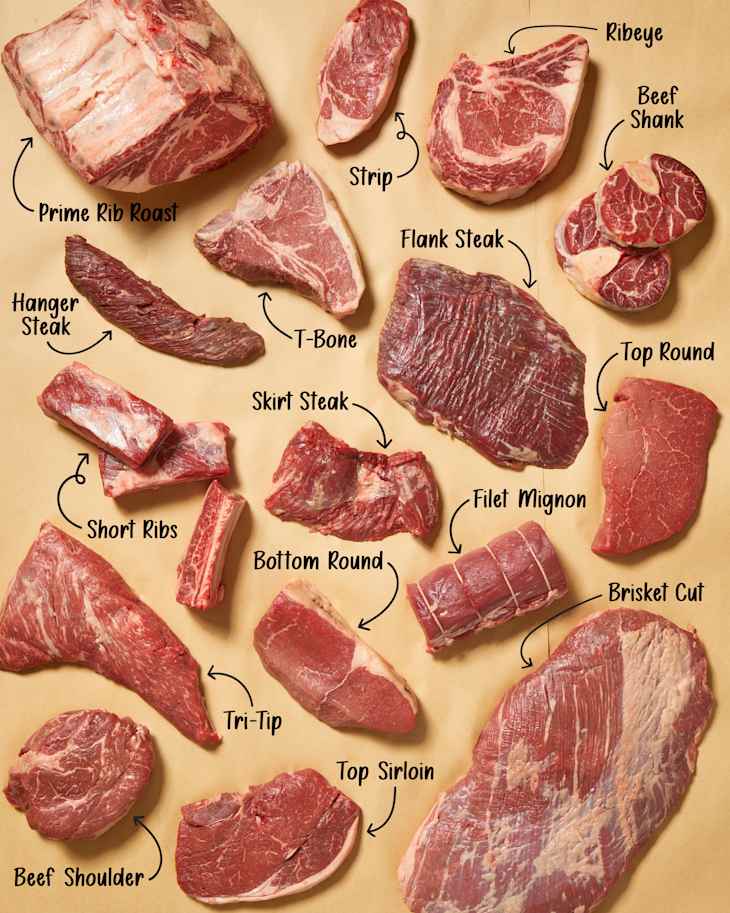

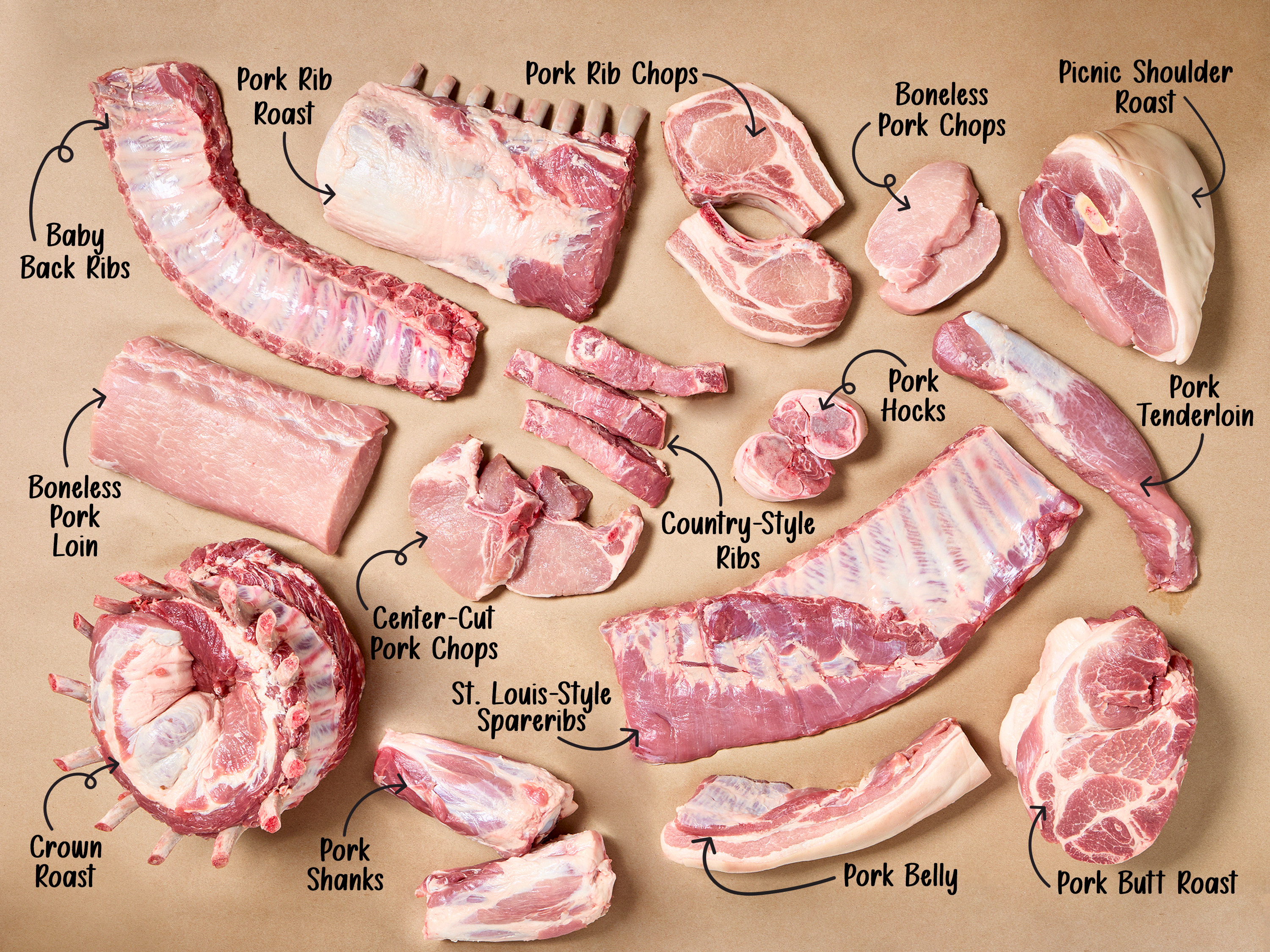
Not all meat cuts cook the same way. Choosing the right cut saves money and improves results.
Tender cuts (fast cooking):
-
Ribeye
-
Tenderloin
-
Chicken breast
Tougher cuts (slow cooking):
-
Chuck
-
Brisket
-
Shank
-
Shoulder
If you cook a tough cut quickly, it may turn chewy. Slow cooking breaks down tough fibers and makes meat tender.
8. Consider Storage and Transport Time
If you live far from the supermarket, bring an insulated bag, especially in warm weather. Meat should stay cold to prevent bacteria growth.
At home:
-
Refrigerate immediately if using within 1–2 days
-
Freeze if storing longer
Never leave raw meat at room temperature for more than 2 hours (or 1 hour in very hot weather).
9. Don’t Be Afraid to Ask the Butcher
If your supermarket has a butcher counter, ask questions. Butchers can tell you:
-
Which cut is freshest
-
What cut works best for your recipe
-
How long meat has been displayed
This can help you get better value and quality.
10. Price Isn’t Always Equal to Quality
Expensive meat is not always better. Sometimes you are paying for branding, packaging, or convenience cuts. Learning how to cook cheaper cuts well can save a lot of money.
Final Thoughts
Buying meat safely and smartly is about observation, knowledge, and planning. Look carefully at color, packaging, and dates. Choose the right cut for your cooking method, and store it properly once you get home.
When you become more confident in selecting meat, you’ll not only improve your meals but also protect your health and reduce food waste.