 Skip to content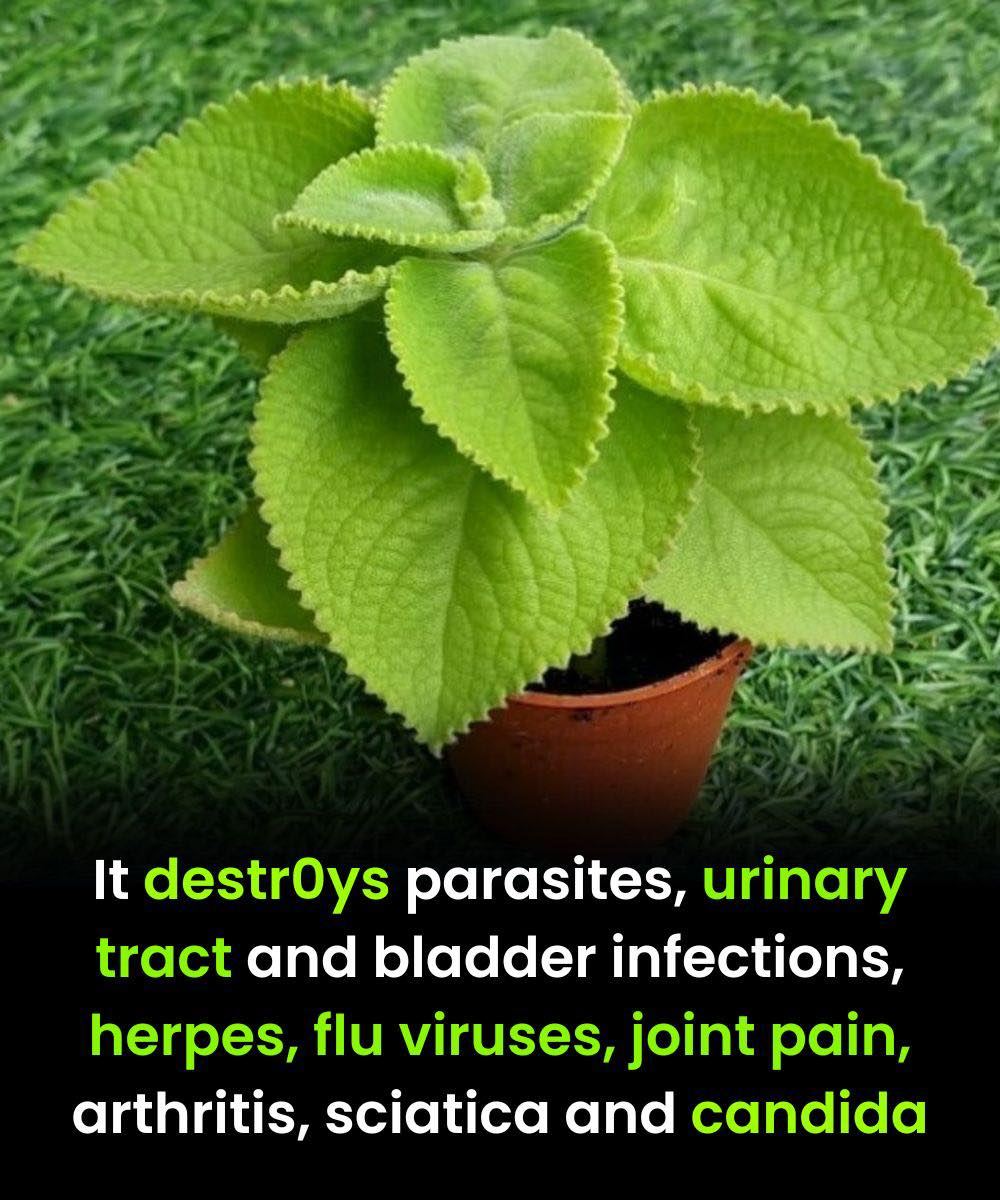
The plant often described online as a “powerful natural remedy” for parasites, urinary tract and bladder infections, herpes, flu viruses, joint pain, arthritis, sciatica, and candida is commonly known as Indian borage, Cuban oregano, or Mexican mint (scientific name: Plectranthus amboinicus). With its thick, velvety, aromatic leaves and strong herbal scent, this plant has been used in traditional medicine systems for generations.
But how powerful is it really? And what does science say about its benefits? Let’s explore its traditional uses, potential health properties, and important precautions.
What Is Indian Borage?
Indian borage is a succulent-like herb that belongs to the mint family. It grows easily in warm climates and can thrive in pots indoors or outdoors. The leaves are fleshy, slightly fuzzy, and have a strong oregano-like aroma. Because of its pleasant flavor, it’s often used in teas, soups, and home remedies.
In traditional practices across Asia, Africa, and the Caribbean, the plant has been used to support respiratory health, digestion, and immune function.
Traditional Uses for Infections and Parasites
In folk medicine, Indian borage leaves are crushed to extract juice or brewed into tea. Traditionally, people have used it for:
-
Digestive discomfort
-
Intestinal parasites
-
Coughs and colds
-
Sore throats
-
Mild urinary issues
The plant contains natural compounds such as thymol, carvacrol, and rosmarinic acid. These compounds are known to have antimicrobial and anti-inflammatory properties in laboratory settings. This may explain why it has been traditionally used for infections.
However, it is important to understand that while lab studies show antimicrobial activity, this does not automatically mean the plant can “destroy” parasites or cure serious infections in humans. Clinical evidence in humans is still limited.
Urinary Tract and Bladder Support
Herbal traditions often use Indian borage tea to support urinary health. Its potential antibacterial properties may help the body defend itself against mild infections. Additionally, it may have mild diuretic effects, helping increase urine flow, which can support urinary tract cleansing.
That said, urinary tract infections (UTIs) and bladder infections can become serious if untreated. They require proper medical diagnosis and sometimes antibiotics. Herbal remedies may offer supportive relief but should not replace prescribed treatment.
If symptoms such as burning urination, fever, back pain, or blood in urine occur, medical attention is necessary.
Herpes and Flu Viruses: What’s the Reality?
Online claims often state that this plant “destroys herpes and flu viruses.” While certain plant compounds show antiviral activity in laboratory experiments, this is very different from proven treatment in humans.
There is no strong clinical evidence that Indian borage cures herpes or influenza. At best, its immune-supporting and anti-inflammatory properties may help the body respond better during illness. Drinking herbal tea made from the leaves may soothe sore throats or mild cold symptoms.
For viral infections such as herpes or flu, proper antiviral medications and medical guidance remain the most effective treatments.
Joint Pain, Arthritis, and Sciatica Relief
Indian borage contains anti-inflammatory compounds that may help reduce swelling and discomfort. In traditional use, crushed leaves are sometimes applied externally to painful joints or inflamed areas.
Some people report relief from:
-
Joint stiffness
-
Mild arthritis discomfort
-
Muscle aches
-
Sciatic nerve pain
The anti-inflammatory effect may provide temporary comfort. However, chronic conditions like arthritis and sciatica usually require a broader treatment plan that includes medical care, physical therapy, and lifestyle adjustments.
Herbal support can complement — but not replace — professional treatment.
Candida and Antifungal Potential
The plant’s essential oils have demonstrated antifungal activity in laboratory research. This has led to claims that it “kills candida.” While it may show antifungal properties in test tubes, systemic fungal infections are complex and require proper diagnosis and medication.
Mild fungal skin conditions might benefit from herbal support, but persistent or internal infections need medical evaluation.
How People Commonly Use It
If used traditionally, Indian borage is typically prepared in one of these ways:
-
Herbal Tea – Fresh leaves are washed, lightly crushed, and steeped in hot water for 5–10 minutes.
-
Leaf Juice – Crushed leaves are strained to extract juice.
-
Topical Application – Leaves are warmed slightly and placed on the skin for joint discomfort.
-
Culinary Use – Added to soups and stews for flavor and digestive support.
Moderation is important. Overconsumption of concentrated herbal extracts may cause side effects.
Safety and Precautions
While generally considered safe in small culinary amounts, there are important considerations:
-
Pregnant or breastfeeding women should consult a doctor before use.
-
People taking medications (especially for blood pressure or infections) should seek medical advice.
-
Large amounts may cause stomach upset.
-
It should not replace prescribed medications for serious infections.
Natural does not always mean harmless. Even medicinal plants can interact with medications or cause unwanted effects if misused.
The Bottom Line
Indian borage is a fascinating and versatile plant with a long history in traditional medicine. It contains natural compounds that may offer antimicrobial, anti-inflammatory, and immune-supporting benefits. These properties explain why it has been used for parasites, urinary issues, respiratory infections, joint pain, and fungal concerns.
However, claims that it “destroys” viruses, parasites, or serious infections should be approached with caution. Scientific research supports some of its beneficial properties, but strong clinical evidence for curing major diseases is still limited.
Used responsibly, this plant can be a helpful addition to a healthy lifestyle — especially as a soothing herbal tea or culinary herb. But for serious medical conditions such as UTIs, herpes, flu, arthritis, or candida infections, professional medical care remains essential.