 Skip to content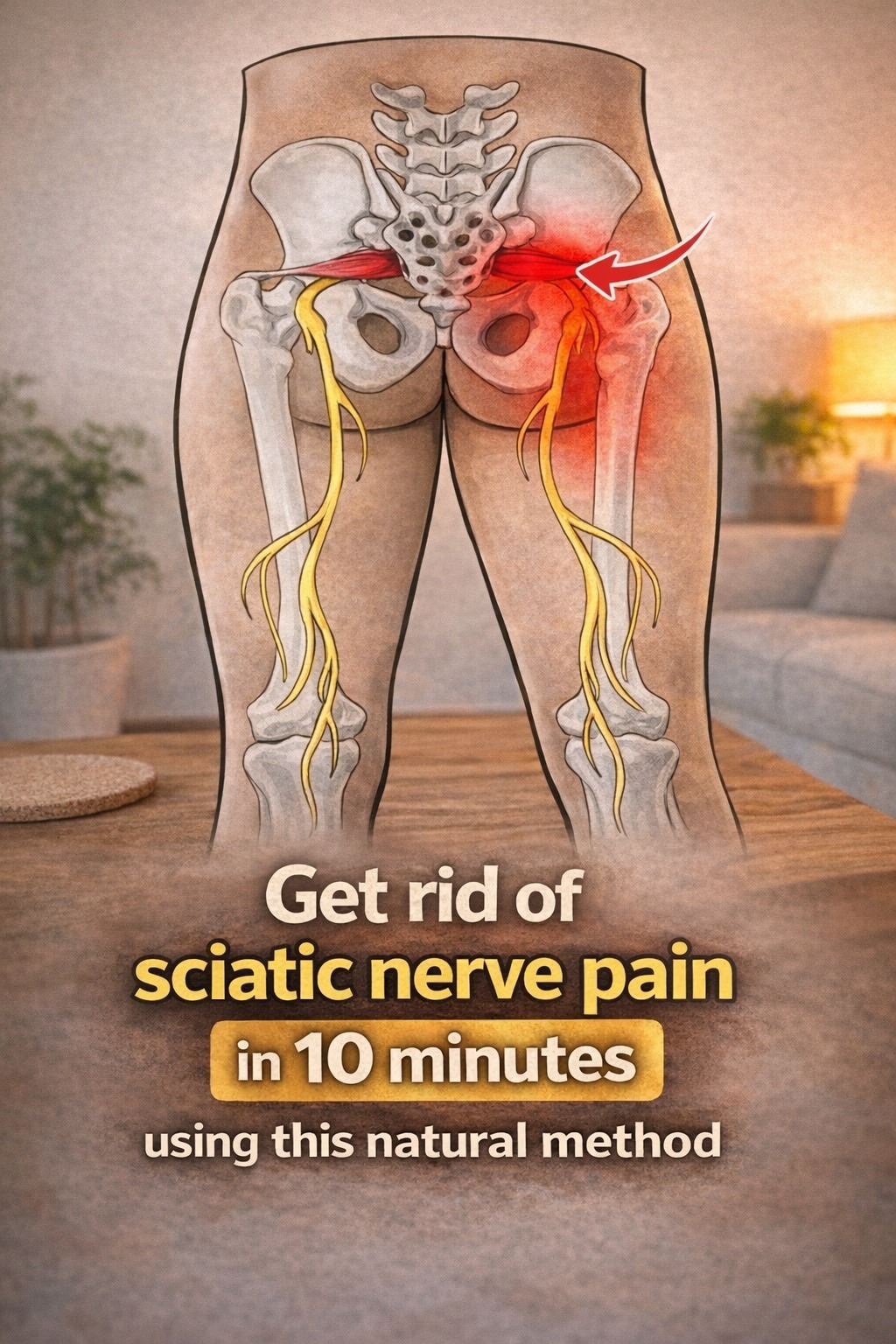
Sciatica pain can strike suddenly and make even simple movements feel uncomfortable. It typically happens when the sciatic nerve—running from your lower back down through your hips and legs—gets irritated or compressed. The good news is that mild to moderate sciatica discomfort can often be managed at home with a few simple stretches and lifestyle adjustments. Here are practical ways you can start finding relief today.
1. Gentle Stretching to Ease Nerve Pressure
Stretching helps reduce tension in the muscles surrounding the sciatic nerve. One effective stretch is the knee-to-chest stretch. Lie on your back, bend one knee, and gently pull it toward your chest while keeping the other leg straight. Hold for 20–30 seconds and switch sides. This helps loosen the lower back and relieve pressure on the nerve.
Another helpful move is the seated spinal twist. Sit upright, extend your legs, then bend one knee and place your foot outside the opposite thigh. Gently twist your torso toward the bent knee. This stretch can improve spinal mobility and reduce tightness.
2. Try the Piriformis Stretch
The piriformis muscle, located deep in the buttocks, can sometimes irritate the sciatic nerve. To stretch it, lie on your back and cross one ankle over the opposite knee. Gently pull the uncrossed leg toward your chest. You should feel a stretch in your glutes. Hold for 20–30 seconds and repeat on the other side.
3. Use Heat and Cold Therapy
Alternating heat and cold can help reduce inflammation and relax tight muscles. Start with a cold pack on the painful area for 10–15 minutes to reduce swelling. After a day or two, switch to a heating pad to improve blood flow and ease muscle stiffness. This combination can provide noticeable relief when used consistently.
4. Stay Active, But Avoid Strain
While rest is important, too much inactivity can worsen sciatica. Light activities like walking can help keep your muscles flexible and promote healing. Avoid heavy lifting, sudden twisting movements, or sitting for long periods, as these can aggravate the condition.
If you have a desk job, try to stand up and stretch every 30–60 minutes. Even short breaks can prevent stiffness and reduce nerve pressure.
5. Improve Your Posture
Poor posture can contribute to sciatic pain. When sitting, keep your back straight, shoulders relaxed, and feet flat on the floor. Use a small cushion or rolled towel to support your lower back if needed. When sleeping, lying on your side with a pillow between your knees can help maintain proper spinal alignment.
6. Strengthen Your Core Muscles
Weak core muscles can place extra strain on your lower back. Gentle exercises like pelvic tilts or basic abdominal strengthening can provide better support for your spine. Over time, this reduces the likelihood of recurring sciatic pain.
7. Know When to Seek Help
While these home remedies can be effective, it’s important to pay attention to your symptoms. If your pain is severe, lasts more than a few weeks, or is accompanied by numbness, weakness, or difficulty controlling your bladder or bowels, you should consult a healthcare professional promptly.
Final Thoughts
Sciatica discomfort can be frustrating, but small, consistent actions can make a big difference. Gentle stretching, staying active, maintaining good posture, and using heat or cold therapy are simple yet powerful tools for relief. By incorporating these habits into your daily routine, you can reduce pain and support your body’s natural healing process—starting today.