 Skip to content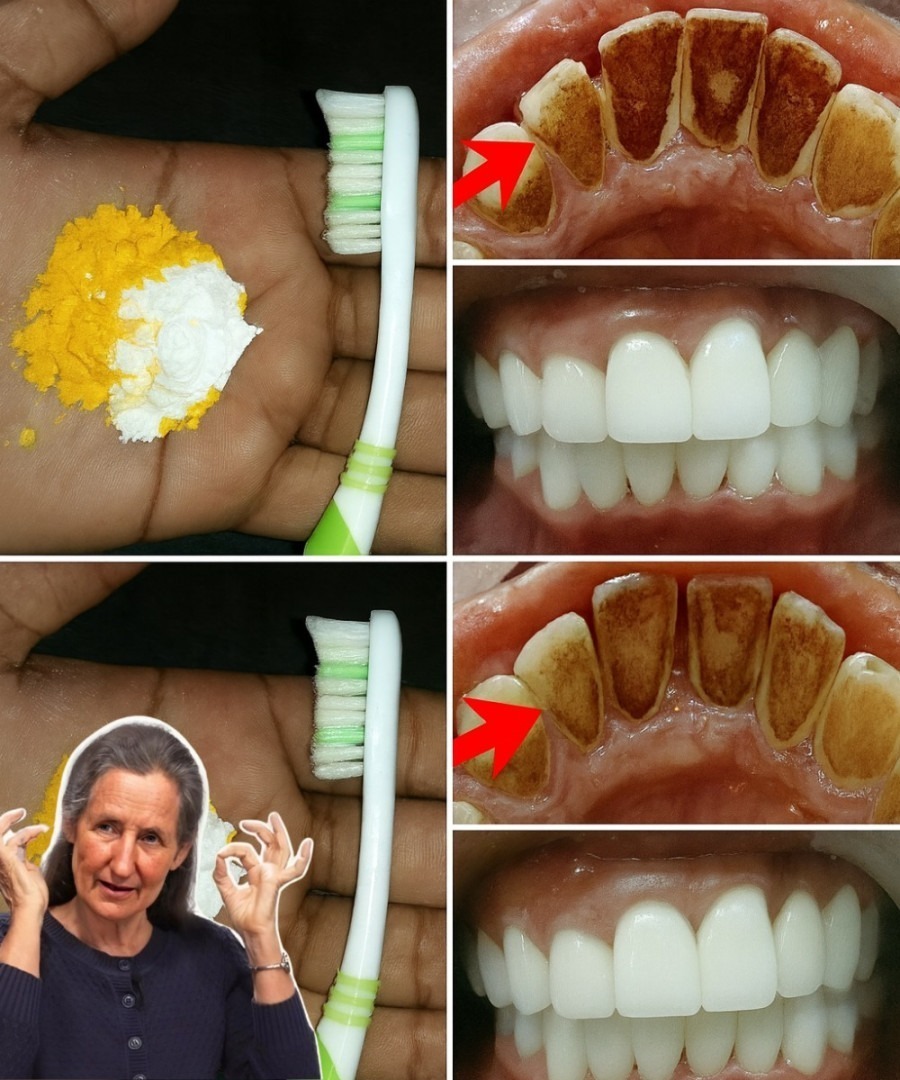
A bright, white smile is often associated with confidence, youth, and good health. It’s no surprise that teeth whitening has become one of the most popular cosmetic routines worldwide. While professional whitening treatments can be effective, they’re often expensive, time-consuming, and sometimes harsh on sensitive teeth. The good news? With the right approach, you can visibly brighten your smile at home in as little as two minutes a day—safely and affordably.
This article explains how home teeth whitening works, what actually helps, what to avoid, and how to get the best results without damaging your enamel.
Why Teeth Lose Their Whiteness
Teeth naturally darken over time due to a combination of factors:
- Food and drinks like coffee, tea, red wine, cola, and berries
- Smoking or chewing tobacco
- Poor oral hygiene
- Aging, which thins enamel and exposes darker dentin
- Certain medications, such as tetracycline antibiotics
Surface stains are usually the easiest to remove at home. Deep, internal discoloration may require professional care.
Can Teeth Really Get Whiter in 2 Minutes?
Yes—for surface stains, noticeable improvement is possible in just a couple of minutes when you use the right methods consistently. While you won’t get movie-star results instantly, you can restore your natural tooth color quickly and safely.
The key is regularity, gentleness, and the right ingredients.
The 2-Minute Home Whitening Routine
1. Brush Properly (1 Minute)
Start with good brushing technique. Many people rush this step or brush too aggressively.
- Use a soft-bristled toothbrush
- Choose a fluoride toothpaste or a gentle whitening toothpaste
- Brush in small circular motions, not harsh back-and-forth strokes
- Focus on the gum line where stains build up
Proper brushing alone removes plaque and surface stains, instantly making teeth look cleaner and brighter.
2. Baking Soda Boost (30 Seconds, 2–3 Times a Week)
Baking soda is mildly abrasive and helps neutralize acids that stain teeth.
How to use:
- Wet your toothbrush
- Dip it lightly into baking soda
- Gently brush for 30 seconds
- Rinse thoroughly
⚠️ Do not use baking soda daily. Overuse can wear down enamel.
3. Hydrogen Peroxide Rinse (30 Seconds, Optional)
Hydrogen peroxide is a common whitening agent used by dentists—but at much higher concentrations.
Safe home method:
- Use 3% hydrogen peroxide
- Dilute it 1:1 with water
- Swish for 30 seconds
- Rinse well with water
Do this no more than 2–3 times per week.
4. Oil Pulling (Optional, Not in the 2 Minutes)
Oil pulling won’t whiten instantly, but it supports oral health and reduces bacteria.
- Use coconut oil
- Swish for 5–10 minutes (not required daily)
- Spit and rinse
Healthier gums and cleaner teeth look whiter over time.
What to Avoid (Very Important)
Some popular “internet hacks” can actually damage your teeth permanently.
❌ Lemon juice or vinegar
❌ Activated charcoal daily
❌ Scrubbing with salt
❌ Whitening too often
❌ Hard-bristled brushes
Acidic or abrasive methods erode enamel. Once enamel is gone, it does not grow back—and teeth can look darker and more sensitive.
Foods That Naturally Keep Teeth White
Your diet plays a huge role in maintaining a bright smile.
Eat more of these:
- Apples, carrots, celery (natural scrubbers)
- Cheese and yogurt (strengthen enamel)
- Strawberries (contain malic acid)
- Leafy greens
Limit these:
- Coffee and tea (or rinse after drinking)
- Sugary snacks
- Dark sauces (soy sauce, tomato sauce)
- Smoking and vaping
How Long Until You See Results?
- Immediately: Cleaner, brighter appearance after brushing
- 3–7 days: Noticeable whitening of surface stains
- 2–4 weeks: Maximum natural brightness
Consistency matters more than intensity.
Who Should Be Careful with Home Whitening?
Home whitening is generally safe, but consult a dentist if you have:
- Sensitive teeth
- Gum disease
- Cavities
- Crowns, veneers, or fillings (they don’t whiten)
- Severe discoloration
Pregnant or breastfeeding individuals should avoid whitening products unless approved by a professional.
Professional Whitening vs. Home Whitening
| Home Whitening | Professional Whitening |
|---|---|
| Affordable | Expensive |
| Gentle | Strong chemicals |
| Gradual results | Faster results |
| Minimal sensitivity | Higher sensitivity risk |
For most people, home whitening is enough to maintain a healthy, bright smile.
Final Thoughts
You don’t need expensive treatments or harsh chemicals to enjoy whiter teeth. With a smart 2-minute daily routine, safe ingredients, and a little consistency, you can noticeably brighten your smile at home.
Remember: the goal isn’t unnaturally white teeth—it’s healthy, clean, confident teeth that last a lifetime.