 Skip to content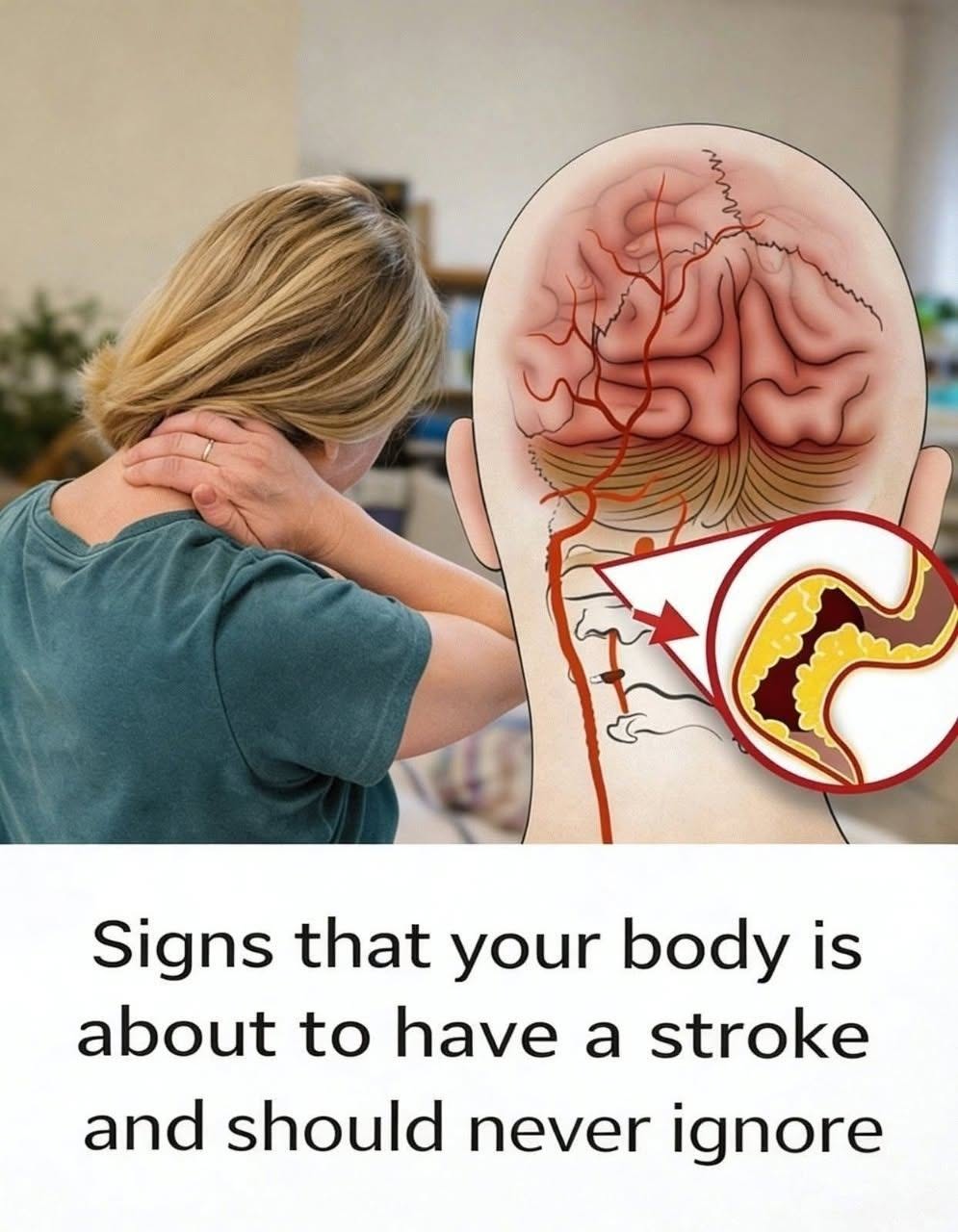
Stroke is a medical emergency that happens when blood flow to part of the brain is interrupted or reduced, preventing brain tissue from getting oxygen and nutrients. Brain cells begin to die within minutes, which is why recognizing early warning signs is critical. Many people ignore subtle symptoms or mistake them for fatigue, stress, or minor health issues—but acting quickly can save a life and reduce long-term disability.
Here are 10 early warning signs your body might be signaling a stroke. If you notice any of these, seek emergency medical attention immediately.
1. Sudden numbness or weakness on one side of the body
One of the most common stroke symptoms is sudden weakness or numbness, especially affecting the face, arm, or leg on one side. You may notice difficulty lifting one arm, a drooping smile, or a heavy sensation in one leg. This happens because the brain area controlling movement is not receiving enough blood flow.
2. Face drooping or uneven smile
A simple way to check for stroke is to smile in a mirror. If one side of the face droops or feels numb, it could be a warning sign. This symptom often appears suddenly and may be accompanied by difficulty controlling facial muscles, such as trouble blinking or speaking clearly.
3. Slurred or confusing speech
Stroke can affect the brain’s language centers, leading to slurred speech, difficulty forming words, or trouble understanding others. A person may sound disoriented or unable to speak normally even though they are trying to communicate clearly. This is one of the key emergency indicators.
4. Sudden confusion or trouble understanding speech
Even without slurred speech, some people experience sudden confusion. They may struggle to follow conversations, respond incorrectly, or seem mentally “foggy.” This symptom should never be ignored, especially if it appears suddenly.
5. Sudden vision problems
A stroke can affect one or both eyes. Symptoms may include blurred vision, double vision, or sudden loss of sight in one eye. Some people describe it as a “curtain” falling over part of their vision. These changes often come on abruptly.
6. Severe headache with no known cause
A sudden, intense headache—often described as the “worst headache of your life”—can be a warning sign, especially in hemorrhagic strokes (caused by bleeding in the brain). It may be accompanied by nausea, vomiting, or sensitivity to light.
7. Loss of balance or coordination
If someone suddenly feels dizzy, unsteady, or has trouble walking, it could be a stroke symptom. They may stumble, sway, or have difficulty controlling body movements. This is often mistaken for vertigo or fatigue, but sudden onset is a red flag.
8. Difficulty walking or sudden dizziness
Closely related to balance issues, sudden dizziness or trouble walking in a straight line can indicate that the brain is not properly controlling coordination. This symptom may appear alongside nausea or a spinning sensation.
9. Numbness or tingling in face, arm, or leg
Some strokes begin with mild tingling sensations before progressing to more severe weakness. People may describe it as “pins and needles” that appear suddenly on one side of the body. Even if it seems minor, it should be taken seriously if it comes on abruptly.
10. Trouble speaking or repeating simple phrases
A useful quick test is to ask someone to repeat a simple sentence. If they struggle, mix up words, or cannot respond properly, it may indicate a stroke. This symptom often appears suddenly and is a key sign of brain dysfunction.
Remember the FAST rule
A widely used method to recognize stroke symptoms quickly is the FAST acronym:
- F – Face: Is one side drooping?
- A – Arms: Can both arms be raised evenly?
- T – Speech: Is speech slurred or strange?
- S – Time: Time to call emergency services immediately.
Even if symptoms seem to improve after a few minutes, it is still critical to seek urgent medical care. Temporary symptoms may indicate a transient ischemic attack (TIA), which is often a warning of a future stroke.
Why early action matters
Stroke treatment is highly time-sensitive. The faster a person receives medical care, the better the chances of reducing brain damage and improving recovery outcomes. Delays can lead to permanent disability or life-threatening complications.
Final thoughts
Stroke warning signs often appear suddenly and without warning. Many people dismiss early symptoms, thinking they will pass—but minutes matter. If you or someone around you experiences any of the signs listed above, do not wait. Seek emergency medical help immediately.
Recognizing these symptoms early can make the difference between full recovery and long-term damage—or even save a life.