 Skip to content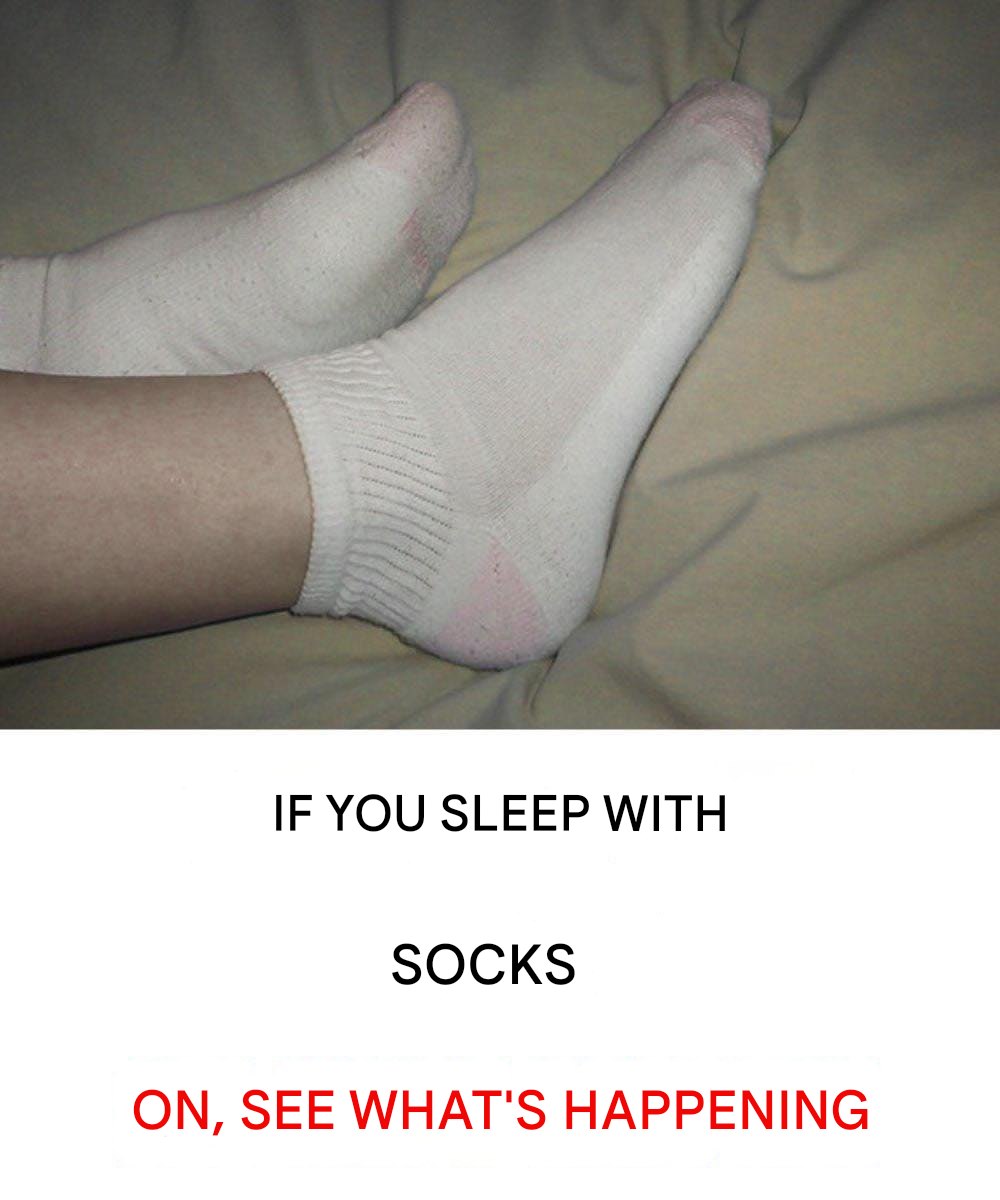
Why Seniors Should Wear Socks Even at Home
As we age, small daily habits can make a big difference to comfort, safety, and overall health. One such habit—often overlooked—is wearing socks at home. Many seniors prefer walking barefoot indoors, especially in warm climates, but health experts increasingly suggest that keeping your feet covered can offer surprising benefits. From better circulation to reduced fall risk, here’s why seniors should consider wearing socks even at home.
1. Improved Blood Circulation
Aging naturally slows blood circulation, particularly to the hands and feet. Poor circulation can cause cold feet, numbness, tingling, and even pain. Wearing socks helps retain warmth, which encourages blood vessels to dilate and improves blood flow to the feet.
For seniors with conditions such as diabetes, peripheral artery disease, or Raynaud’s phenomenon, maintaining foot warmth is especially important. Warm feet mean better oxygen and nutrient delivery to tissues, which supports overall foot health.
2. Better Sleep Quality
Cold feet can interfere with falling and staying asleep. Studies on sleep physiology show that warming the feet helps the body regulate core temperature, signaling the brain that it’s time to sleep.
For seniors who struggle with insomnia or frequent night waking, wearing socks to bed or in the evening can be a simple, drug-free way to improve sleep quality. Many older adults report falling asleep faster and waking up less often when their feet stay warm.
3. Reduced Risk of Slips and Falls
Falls are one of the leading causes of injury among seniors, and many happen at home. Bare feet on smooth surfaces—like tile, marble, or polished wood—can easily slip, especially if the floor is slightly wet.
Wearing socks with non-slip grips or textured soles provides better traction and stability while walking. This is particularly important when getting out of bed at night, walking to the bathroom, or moving around the kitchen.
Tip: Choose socks labeled as “anti-slip” or “grip socks” for maximum safety.
4. Protection From Foot Injuries
As skin becomes thinner and more fragile with age, the feet are more prone to cuts, bruises, and infections. Walking barefoot increases the risk of stepping on sharp objects, rough surfaces, or unnoticed debris.
Socks act as a protective barrier, reducing the chance of:
- Minor cuts and abrasions
- Cracked heels
- Blisters from friction
- Infections entering through small wounds
This protection is especially critical for seniors with diabetes, whose wounds may heal more slowly.
5. Better Temperature Regulation
Seniors often feel cold more easily due to slower metabolism and reduced circulation. Feet play a key role in regulating body temperature. When feet are cold, the body works harder to stay warm, which can cause discomfort and fatigue.
Wearing socks helps conserve body heat, keeping seniors comfortable without needing to raise room temperature—saving energy and reducing heating costs.
6. Improved Foot Hygiene
Socks help absorb sweat and reduce moisture buildup, which lowers the risk of fungal infections like athlete’s foot. Even seniors who don’t sweat heavily can benefit, as moisture can accumulate unnoticed, especially in closed environments.
Clean, breathable socks made from cotton, bamboo, or moisture-wicking blends help keep feet dry, odor-free, and healthier overall.
7. Joint and Muscle Comfort
Cold muscles and joints tend to feel stiffer, particularly in the feet and ankles. Wearing socks keeps these areas warm, which can help reduce stiffness and mild aches, especially in the morning or during colder months.
For seniors with arthritis, this added warmth can make walking more comfortable and reduce early-day discomfort.
8. Emotional Comfort and Routine
Simple routines provide psychological comfort, especially for older adults. Wearing socks can create a sense of coziness and security, similar to using a blanket or wearing a favorite sweater.
Maintaining such small routines also supports independence and self-care, which are important for emotional well-being in later years.
Choosing the Right Socks for Seniors
Not all socks are created equal. Seniors should look for:
- Non-slip soles for safety
- Loose, non-restrictive cuffs to avoid cutting off circulation
- Soft, breathable fabrics like cotton or bamboo
- Seamless or flat-seam designs to prevent irritation
Avoid tight elastic bands and overly thick socks that may cause overheating or balance issues.
Final Thoughts
Wearing socks at home may seem like a minor choice, but for seniors, it can significantly impact health, safety, and comfort. From improving circulation and sleep to preventing falls and foot injuries, this simple habit offers powerful benefits.
Encouraging seniors to wear comfortable, well-fitted socks indoors is an easy, affordable step toward better daily living—and sometimes, the smallest changes make the biggest difference.