 Skip to content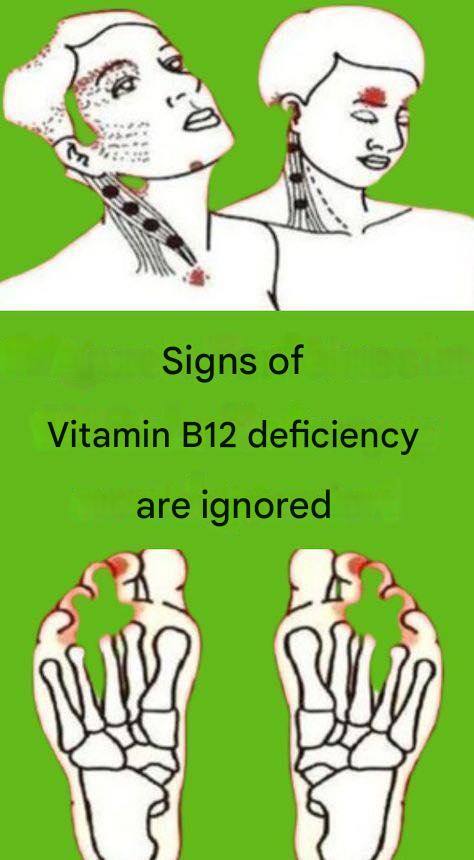
Signs of Vitamin B12 Deficiency That Are Often Ignored
Vitamin B12 is a small but mighty nutrient that plays a critical role in keeping your body and brain functioning properly. It helps produce red blood cells, supports nerve health, and is essential for DNA synthesis. Yet, vitamin B12 deficiency is surprisingly common—and even more concerning, its early warning signs are often ignored or mistaken for everyday stress, aging, or other minor issues. Over time, untreated B12 deficiency can lead to serious and sometimes irreversible health problems. Here are the most commonly overlooked signs you should never ignore.
1. Constant Fatigue and Weakness
One of the earliest and most common signs of vitamin B12 deficiency is persistent tiredness. People often blame fatigue on poor sleep, stress, or a busy lifestyle. However, without enough B12, your body can’t produce enough healthy red blood cells to carry oxygen efficiently. This leads to anemia, making you feel weak, drained, and exhausted—even after resting.
2. Pale or Yellowish Skin
A subtle change in skin tone is another warning sign that frequently goes unnoticed. B12 deficiency can cause the skin to appear pale or slightly yellow due to the breakdown of red blood cells. This can also lead to mild jaundice, which many people overlook or assume is due to aging or minor liver issues.
3. Tingling and Numbness in Hands and Feet
Many people ignore tingling sensations in their fingers or toes, thinking it’s due to poor circulation or temporary nerve pressure. In reality, vitamin B12 is essential for maintaining the protective sheath around nerves. When levels drop, nerve damage can occur, leading to numbness, tingling, burning sensations, or even loss of coordination.
4. Memory Problems and Brain Fog
Difficulty concentrating, forgetfulness, and mental confusion are often dismissed as stress or aging. However, vitamin B12 deficiency can significantly affect brain function. Low B12 levels reduce oxygen delivery to the brain and interfere with nerve signaling, resulting in poor memory, slower thinking, and a constant feeling of mental fog.
5. Mood Changes, Depression, and Anxiety
Mental health symptoms are commonly overlooked as emotional or psychological issues. Vitamin B12 plays a role in producing neurotransmitters like serotonin and dopamine, which regulate mood. Deficiency may contribute to depression, anxiety, irritability, and mood swings. In severe cases, it can even increase the risk of psychosis.
6. Shortness of Breath and Dizziness
If you often feel dizzy when standing up or experience shortness of breath during mild physical activity, low vitamin B12 levels may be the cause. Reduced red blood cell production limits oxygen transport, forcing your heart and lungs to work harder. These symptoms are frequently ignored or attributed to poor fitness.
7. Glossitis and Mouth Problems
Changes in the mouth are another overlooked sign. A swollen, inflamed, or smooth tongue—known as glossitis—can be painful and affect taste. Cracks at the corners of the mouth, mouth ulcers, and a burning sensation on the tongue may also occur. Many people treat these symptoms locally without addressing the underlying deficiency.
8. Digestive Issues
Vitamin B12 deficiency can disrupt the digestive system, causing nausea, bloating, constipation, diarrhea, or loss of appetite. Because these symptoms are common and nonspecific, they are rarely linked to a vitamin deficiency, allowing the problem to persist undetected.
9. Heart Palpitations
When oxygen delivery drops due to anemia, the heart compensates by beating faster. This may cause noticeable palpitations or an irregular heartbeat. People often ignore these sensations or blame caffeine, stress, or anxiety, not realizing they may be linked to low B12 levels.
10. Vision Changes
In severe cases, B12 deficiency can damage the optic nerve, leading to blurred or disturbed vision. This symptom is often mistaken for eye strain or aging-related vision problems, delaying diagnosis and treatment.
Who Is Most at Risk?
Certain groups are more likely to develop vitamin B12 deficiency, including older adults, vegetarians and vegans, people with digestive disorders (such as gastritis or Crohn’s disease), individuals who have had stomach surgery, and those taking medications like metformin or acid-reducing drugs.
Why Early Detection Matters
Ignoring these signs can lead to permanent nerve damage, severe anemia, and long-term cognitive decline. The good news is that vitamin B12 deficiency is easy to diagnose with a blood test and often reversible if treated early through diet, supplements, or injections.
Final Thoughts
Vitamin B12 deficiency often whispers before it screams. Subtle symptoms like fatigue, numbness, mood changes, and brain fog are easy to dismiss—but they shouldn’t be. Paying attention to these ignored warning signs and seeking medical advice early can protect your nerves, brain, and overall health. Sometimes, the smallest deficiencies can cause the biggest problems.